

Ha Jung-woo: The Korean Actor Who Keeps Reinventing Himself
Ha Jung-woo has spent much of his career playing characters who look completely different on paper. A serial killer, a news anchor trapped inside a television studio, a North Korean agent, a marathon coach, a desperate diplomat, and now a debt-ridden property owner pulled into a kidnapping plot have all become part of his filmography.
That range is part of what makes Ha Jung-woo one of the most recognizable actors in Korean cinema. In 2026, he is finding another version of that range with Mad Concrete Dreams, while an upcoming Netflix film will reunite him with longtime collaborator Yoon Jong-bin. For viewers discovering his work through Amasian TV, Road to Boston offers a particularly revealing place to start.
Ha Jung-woo Has Never Stayed in One Lane
Ha Jung-woo first attracted major attention with The Chaser in 2008, playing a serial killer opposite Kim Yoon-seok. The role established an early pattern in his career: he could make unsettling characters compelling without relying on the same performance from one film to the next. KOFIC’s biography notes that the performance brought him widespread acclaim and helped establish him among Korea’s leading actors.
He subsequently moved through crime films, action thrillers, dramas, comedies, and large-scale productions. His filmography includes The Yellow Sea, The Berlin File, The Terror, LIVE, The Handmaiden, Tunnel, and Along with the Gods, among many others.
What makes that progression interesting is that Ha rarely seems to be chasing one particular screen persona. The intensity that works in a thriller can disappear almost completely when he moves into comedy or a more grounded drama.
That ability to change the temperature of a performance has become one of his defining strengths.
His 2026 Return to Television Shows a Different Side
That flexibility is particularly noticeable in Mad Concrete Dreams, his first television drama role in 19 years. The 2026 thriller stars Ha as Ki Su-jong, a financially strained landlord whose attempt to protect the building he has invested everything into pulls him into a staged kidnapping that spirals out of control.
The interesting part of the character is that Su-jong does not begin as a conventional criminal. He is an ordinary man who becomes increasingly desperate as his financial situation deteriorates.
Ha has described the character’s gradual descent as one of the reasons he was attracted to the project. Rather than playing someone who already knows how to operate in a criminal world, he gets to portray someone whose decisions become darker as one bad choice leads to another.
That setup also gives a useful reminder of what Ha does particularly well: playing people whose circumstances force them to reveal sides of themselves they would rather keep hidden.
Road to Boston Gives Ha a Very Different Challenge
That makes Road to Boston an interesting Amasian title to pair with his newer work.
The 2023 historical sports drama is based on the real story of Korean marathoners attempting to compete internationally after Korea’s liberation. Ha plays Sohn Kee-chung, the Korean marathoner who won the 1936 Olympic marathon while competing under the Japanese flag, and who later became a coach to the younger Suh Yun-bok.
The role required Ha to approach a real historical figure rather than invent a character from scratch. Sohn carried the complicated legacy of having achieved Olympic glory during Japanese colonial rule, when he was forced to compete under the Japanese flag.
Ha has spoken about the emotional weight behind that history, particularly the pain Sohn experienced after the 1936 victory. The production also emphasized physical authenticity, with director Kang Je-gyu focusing on recreating the marathon and having the actors embody the athletes as convincingly as possible.
That makes Ha’s performance less about explosive action or a dramatic transformation and more about restraint. Sohn is a man carrying years of history, and much of the character’s weight comes from what happened before the events of the film.
Compare That With Ransomed
If Road to Boston shows Ha in a restrained historical drama, Ransomed provides almost the opposite experience.
In the 2023 action film, Ha plays Min-jun, a Korean diplomat who travels to Lebanon to rescue a colleague who has been missing for 20 months. Once he arrives, the mission quickly becomes much more dangerous than expected, eventually forcing him to rely on Pan-su, a Korean taxi driver played by Ju Ji-hoon.
The contrast between the two movies is useful when looking at Ha’s career.
In Road to Boston, he is playing a historical figure whose significance is tied to Korea’s complicated past. In Ransomed, he is thrown into an international rescue mission where survival depends on improvisation and an increasingly chaotic partnership.
Both are serious stories, but they demand very different rhythms from the actor.
Ha Jung-woo Is Also a Director
Acting is only part of Ha’s career.
He made his directorial debut with Fasten Your Seatbelt in 2013 and later directed and starred in Chronicle of a Blood Merchant. KOFIC also identifies him as a director and actor, rather than simply an actor who has occasionally worked behind the camera.
That distinction matters because Ha has continued to work across different parts of the filmmaking process. His career includes acting, directing, producing, and screenwriting credits, giving him a broader connection to Korean film production than his most recognizable performances might suggest.
His Next Project Reunites Him With a Familiar Director
Ha’s next major project also brings one of the longest-running collaborations in his career back into focus.
Netflix’s upcoming political film The Generals comes from director and screenwriter Yoon Jong-bin, who has worked with Ha on several projects dating back to The Unforgiven in 2005. Their later collaborations include Nameless Gangster: Rules of Time and the Netflix series Narco-Saints.
In The Generals, Ha will portray former South Korean president Chun Doo-hwan, while Son Suk-ku plays Roh Tae-woo. The film is based on the political history surrounding the two men and does not yet have an announced release date.
It is another significant change of direction for Ha. After playing a historical athlete in Road to Boston and an ordinary man sliding into crime in Mad Concrete Dreams, he is taking on one of the most politically charged figures in modern Korean history.
Watch Ha Jung-woo on Amasian TV
If Mad Concrete Dreams or The Generals has put Ha Jung-woo on your radar, Road to Boston is an easy way to see a quieter side of his work.
The film combines Korean history, sports, and personal ambition while giving Ha a role built around the complicated legacy of Sohn Kee-chung. It is a very different performance from the characters that first made him famous, which is exactly what makes it worth watching.

Before Mission: Cross 2, Watch Hwang Jung-min in Deliver Us from Evil
Hwang Jung-min is returning to action-comedy this October with Mission: Cross 2, but his next role isn’t the only reason to have the Korean actor on your radar. If you want to see him in a much darker kind of action movie, Deliver Us from Evil is available to watch on Amasian TV.
Set across Japan, South Korea, and Thailand, the 2020 crime thriller puts Hwang behind the wheel of a very different kind of story. He plays a professional killer who thinks his latest assignment will be his last, only to discover that a kidnapping has a deeply personal connection to him.
That makes Deliver Us from Evil a particularly good starting point for anyone discovering Hwang through Mission: Cross 2. The two films both put him in dangerous situations, but almost everything about his characters and the way they move through those situations is different.
What Is Deliver Us from Evil About?
Hwang Jung-min plays Kim In-nam, a former black-ops agent who has become a contract killer. After completing an assignment in Japan, In-nam intends to leave that life behind.
His plans change when he learns that a woman from his past has been murdered in Thailand and her young daughter has been kidnapped. In-nam discovers that the child is connected to him and travels to Thailand to find her.
The search puts him against Ray, played by Lee Jung-jae. Ray has his own reason for hunting In-nam: In-nam recently killed Ray’s brother during his final assignment.
From there, the movie has two characters moving toward the same confrontation for completely different reasons. In-nam is trying to rescue a child and settle unfinished business, while Ray is pursuing revenge with little interest in anything that might get in his way.
The Korean Film Council classifies the film as a 107-minute crime-action movie and records more than 4.35 million admissions in South Korea. It was released domestically on August 5, 2020.
Hwang Jung-min Plays a Much Colder Character
One of the most interesting things about Deliver Us from Evil is how restrained Hwang is as In-nam.
This isn’t a character who spends much time explaining himself. In-nam has spent years working as a killer, and Hwang plays him as someone who is already accustomed to violence before the main story even begins.
That makes the early scenes in Japan important. Before the kidnapping becomes the focus, the film establishes exactly what In-nam is capable of during the assassination that was supposed to be his final job.
Once he reaches Thailand, that controlled personality becomes a useful contrast to the chaos around him. In-nam isn’t looking for a fight simply because he enjoys fighting. He is trying to reach one specific person, and almost every violent encounter gets in the way of that objective.
The result is an action protagonist who feels more like a professional trying to complete a job than a conventional hero looking for a victory.
Hwang Jung-min and Lee Jung-jae Are the Real Draw
Deliver Us from Evil brought Hwang Jung-min and Lee Jung-jae back together seven years after New World, where they played very different characters in a crime drama about the Korean underworld. The reunion was one of the major talking points around the film before its release.
Their roles are almost reversed in terms of energy here.
Hwang’s In-nam is quiet, methodical, and focused on getting the job done. Lee’s Ray is considerably more theatrical. He enters the story as a relentless pursuer whose desire for revenge becomes increasingly extreme.
That contrast gives their eventual confrontations much of their tension. In-nam rarely needs to announce how dangerous he is, while Ray makes his presence impossible to ignore.
It is also worth watching Deliver Us from Evil specifically for the performances rather than treating it as another interchangeable action movie. Hwang and Lee approach their characters from opposite directions, and the movie gets much of its momentum from putting those personalities on a collision course.
The Movie Moves Across Three Countries
The setting is another major part of what separates Deliver Us from Evil from a typical Korean crime thriller.
The story begins in Japan before moving through South Korea and into Thailand, where most of In-nam’s search takes place. The Korean Film Council notes that the production was shot on location across all three countries.
Thailand isn’t simply a backdrop for the final act. Once In-nam arrives, the environment changes the way he has to operate.
He needs help navigating an unfamiliar city and tracking down people connected to the kidnapping. That brings him into contact with Yui, played by Park Jung-min, who becomes his unlikely partner during the search.
The location work also gives the film a different visual identity as the story progresses. Rather than keeping the action confined to a familiar Korean setting, the movie uses its international locations to make In-nam’s search feel increasingly difficult to control.
Park Jung-min Gives the Movie Another Dimension
Park Jung-min plays Yui, a Korean living in Thailand who becomes involved in In-nam’s search for the kidnapped child.
Yui is useful to the story because In-nam spends much of the film operating alone. Their relationship gives the movie someone who can interact with In-nam in a way that isn’t based entirely around violence or revenge.
Yui also helps In-nam navigate the local environment, making the character important to the practical side of his investigation. The Korean Film Council specifically identifies Yui as the person who assists In-nam during his search.
That partnership keeps the film from becoming nothing but a series of fights between In-nam and Ray. There is still an objective outside their rivalry: finding the missing child.
The Action Has a Different Feel From Mission: Cross 2
This is where Deliver Us from Evil makes the most sense as an Amasian recommendation for people discovering Hwang through Mission: Cross 2.
Mission: Cross 2 brings Hwang back as Kang-mu, a former special-operations agent caught up in another mission with his wife. The sequel leans into action-comedy, while Deliver Us from Evil is a much harder-edged crime thriller.
The difference is immediately noticeable. In Mission: Cross 2, Hwang’s character exists within a story built around a married couple and comedic situations. In Deliver Us from Evil, In-nam is largely defined by his profession, his past, and the increasingly dangerous search he has chosen to undertake.
If Mission: Cross 2 is what puts Hwang Jung-min on your watchlist, Deliver Us from Evil shows why he can carry a much more serious action role.
A Korean Action Thriller With Real Momentum
Deliver Us from Evil was directed by Hong Won-chan, whose first feature was Office. The film also brought together cinematographer Hong Kyung-pyo and composer Mowg, who had previously collaborated on Lee Chang-dong’s Burning.
That production pedigree is noticeable in the film’s presentation. The action isn’t confined to one type of set piece, either. The movie moves between gunfights, close-quarters combat, pursuits, and larger sequences as In-nam gets closer to the people responsible for the kidnapping.
The story itself remains straightforward: find the child, stay ahead of Ray, and survive long enough to finish the job.
That simplicity works in the movie’s favor. There isn’t a complicated mythology or an elaborate criminal conspiracy that you need to keep track of. The film establishes In-nam’s objective, puts an increasingly dangerous opponent behind him, and keeps pushing the two toward their eventual confrontation.
Watch Deliver Us from Evil on Amasian TV
With Mission: Cross 2 arriving on Netflix on October 30, 2026, Hwang Jung-min is about to be back in the spotlight with another action role.
But if you’re looking for something you can watch now, Deliver Us from Evil offers a very different introduction to the actor. Here, Hwang plays a taciturn professional killer caught between a personal rescue mission and an enemy who wants him dead.
Add Lee Jung-jae’s volatile performance, Park Jung-min’s Yui, and the film’s three-country production, and there’s plenty here for fans of Korean crime and action movies to dig into.

Park Jeong-min: The Korean Actor Making Every Role His Own
Park Jeong-min has a habit of making supporting characters difficult to forget. Whether he is playing a streetwise fixer, a historical independence activist, or a North Korean security officer caught between competing loyalties, he tends to give his characters their own rhythms and personalities rather than simply filling a role in someone else’s story.
That quality is especially visible in Humint, Ryoo Seung-wan’s 2026 action drama. Park plays Park Geon, a North Korean State Security officer investigating a disappearance near the Russian border. The film puts him alongside Zo In-sung, Park Hae-joon, and Shin Se-kyung in a story built around competing intelligence operations in Vladivostok.
But Humint is only the latest example of what makes Park’s career interesting. Two films currently available on Amasian TV, Deliver Us from Evil and Harbin, show just how differently he can approach characters within crime, action, and historical dramas.
From Indie Breakthrough to Major Productions
Park’s breakthrough came with Bleak Night, the 2011 independent drama that established him as an actor to watch. His performance earned major recognition, including Best New Actor honors, and he gradually moved between independent films and increasingly prominent commercial productions.
That progression is worth noting because Park did not build his reputation by sticking to one type of character. His filmography moved through dramas such as Dongju: The Portrait of a Poet, comedies such as Keys to the Heart, crime films, action movies, and eventually large-scale productions.
By the time he appeared in Deliver Us from Evil, he was working alongside major stars Hwang Jung-min and Lee Jung-jae. KOFIC lists the film as a 2020 crime-action movie that ultimately recorded more than 4.35 million admissions in Korea.
Deliver Us from Evil Shows His Ability to Create a Character Quickly
Park plays Yui in Deliver Us from Evil, a character who enters the story after former black-ops agent In-nam travels to Thailand to find a kidnapped child.
Yui is not simply there to move the plot from one action sequence to the next. Park gives the character a distinctive presence that changes the texture of the film whenever he appears, providing In-nam with an unpredictable ally during the increasingly dangerous search.
That is useful context for understanding Park’s approach as an actor. He can make an impression without needing the biggest role in the cast.
The contrast with Hwang Jung-min and Lee Jung-jae is particularly effective. Hwang’s In-nam is controlled and focused on completing the rescue, while Lee’s Ray brings a much more aggressive energy to the pursuit. Park’s Yui occupies a completely different space between them.
Deliver Us from Evil is also a good example of how Park can make a supporting performance feel like its own character study rather than an extension of the protagonist’s story.
Then He Took on Harbin
Park’s role in Harbin moves in almost the opposite direction.
Woo Min-ho’s historical drama follows Korean independence activists planning an attack in Harbin against Japanese colonial rule. Park plays Woo Deok-soon alongside Hyun Bin as independence leader Ahn Jung-geun.
The difference between Yui in Deliver Us from Evil and Woo Deok-soon in Harbin is immediately apparent. One is defined by an unusual personality and chaotic circumstances; the other belongs to a historical story in which the characters are operating under extreme political and personal pressure.
Park does not need to make every character flashy. In Harbin, his performance works within the larger ensemble and the film’s deliberately tense atmosphere.
That ability to adjust rather than impose the same persona on every role is one of the more interesting things to track across his filmography.
Humint Puts That Range Into an Action Thriller
In Humint, Park moves into another unfamiliar position: a North Korean security officer working an investigation that becomes entangled with a larger intelligence conflict.
KOFIC describes Park Geon’s investigation as uncovering possible connections between a border disappearance and North Korean Consul General Hwang Chi-sung, played by Park Hae-joon. Meanwhile, Zo In-sung’s South Korean intelligence officer is pursuing his own investigation in Vladivostok.
The setup gives Park a role that depends less on being the comic relief or the memorable supporting character and more on maintaining uncertainty about what his character knows and where his loyalties lie.
That makes Humint a useful next step in his career. It puts an actor known for highly distinctive characters into a story where suspicion and restraint are central to the performance.
The film was released in South Korea on February 11, 2026, runs 119 minutes, and had recorded nearly 2 million admissions as of September 16, according to KOFIC. Netflix currently lists it among its Korean action titles, starring Park alongside Zo In-sung and Park Hae-joon.
Why Park Jeong-min’s Supporting Roles Matter
One of the easiest ways to overlook Park’s work is to look only at who receives top billing.
His filmography makes a stronger case for paying attention to the actor who enters a scene and changes its energy. In Deliver Us from Evil, he brings personality to a dangerous rescue story. In Harbin, he becomes part of a historical ensemble. In Humint, he has to sustain the tension of an intelligence officer whose investigation keeps getting more complicated.
These are very different demands.
That versatility also explains why his career has continued expanding into major productions without requiring him to abandon the kinds of unusual characters that made him interesting in the first place. KOFIC’s current filmography includes Humint, The Ugly, Harbin, Uprising, Dr. Cheon and the Lost Talisman, Smugglers, Decision to Leave, and Deliver Us from Evil.
Where to Start With Park Jeong-min
If Humint is what brought Park Jung-min to your attention, Deliver Us from Evil is one of the best Amasian titles to watch next.
It puts him in a completely different kind of role from Park Geon, while also giving him the opportunity to work opposite Hwang Jung-min and Lee Jung-jae in a hard-edged crime thriller.
Harbin offers another useful comparison. Watching Park move from the eccentric, unpredictable Yui to the more restrained Woo Deok-soon makes it easier to see the range behind an actor who can sometimes be hidden in plain sight among larger ensemble casts.
Watch Deliver Us from Evil and Harbin free on Amasian TV and see two very different sides of Park Jeong-min’s filmography.

4 Korean Travel Shows to Watch Before Your Next Trip
A trip around Korea does not have to look one particular way.
You could spend most of your time in one city, drive through different regions, travel on a strict budget, or pack a few people into a small house on wheels and see where you end up.
The Korean travel programming available on Amasian TV reflects that variety. These shows are less about giving you one perfect itinerary and more about showing different ways to experience the country.
Here are five to add to your watchlist.

1. Seoksam Play: The Beginning
What happens when a group tries to travel through five Korean cities with a budget of just 500,000 won?
That’s the setup for Seoksam Play: The Beginning, a travel variety show featuring Jee Seok-jin, Jeon So-min, Lee Sang-yeob, Lee Mi-joo, and other guests.
The budget is not simply there to make the trip sound difficult. It becomes part of the show’s format, with unpredictable missions affecting how much money the group has available.
That changes the way the cast experiences each destination. Instead of treating travel as an unlimited shopping trip, they have to think about what is actually worth spending money on.
It also gives the show a different kind of travel energy. You are watching the cast figure things out as they go, rather than simply moving from one beautiful location to another.
If you enjoy travel shows with a little competition and chaos mixed in, start here.

2. Trip in Korea Season 3
Trip in Korea Season 3 takes a more straightforward look at traveling around Korea.
The series has a large episode lineup, with episodes generally running around 20 to 23 minutes, making it easy to watch in smaller pieces.
That format works well for anyone who likes browsing destinations before deciding where they want to go. Rather than committing to one long travel documentary, you can explore different episodes and see which places catch your attention.
It’s also a natural companion to the other Korean travel programs on Amasian TV. After watching a broader destination-focused series, you can move into shows that approach travel through driving, food, or slower stays.

3. Driving Traveler
Driving Traveler takes a much more solitary approach.
The documentary follows Kim Nam Hee as he travels through South Korea by car, visiting places including Busan, Jinan, Samcheok, Danyang, and Namhae.
The road-trip structure gives the show a different rhythm from a group travel variety program. The journey itself becomes part of the experience, with coastal roads, mountains, lakes, and smaller destinations appearing along the way.
One episode focuses on Samcheok and its coastal roads and mountain paths. Another heads to Danyang, while the Namhae episode follows a personal journey through the region.
If your idea of a good trip involves renting a car, getting out of the city, and seeing where the road takes you, this is probably the closest match of the five.

4. House on Wheels
House on Wheels takes the idea of slow travel literally.
The series follows Sung Dong-il, Kim Hee-won, and rotating cast members as they travel around Korea in a small mobile home and invite guests to stay with them.
The show is not really about rushing from attraction to attraction. Wherever the house stops becomes the setting for the episode.
That means food becomes an important part of the travel experience too. The original series explored local and seasonal ingredients as the cast moved through different parts of Korea, while the guests added another layer of personality to each stop.
It is an especially good choice if you like the idea of staying somewhere long enough for a place to start feeling less like a destination and more like a temporary home.
Which Kind of Korea Trip Would You Take?
These five programs suggest very different answers to the same question: what does traveling around Korea actually look like?
Seoksam Play: The Beginning turns the trip into a budget challenge. Driving Traveler puts the focus on the road. House on Wheels slows things down and makes the accommodation part of the experience, while Trip in Korea Season 3 offers a broader destination-focused watch.
So before planning an itinerary, it might be worth deciding what kind of traveler you are.
Do you want to stay in one city and really get to know it? Drive from place to place? Or try to fit as much of Korea into one trip as possible?
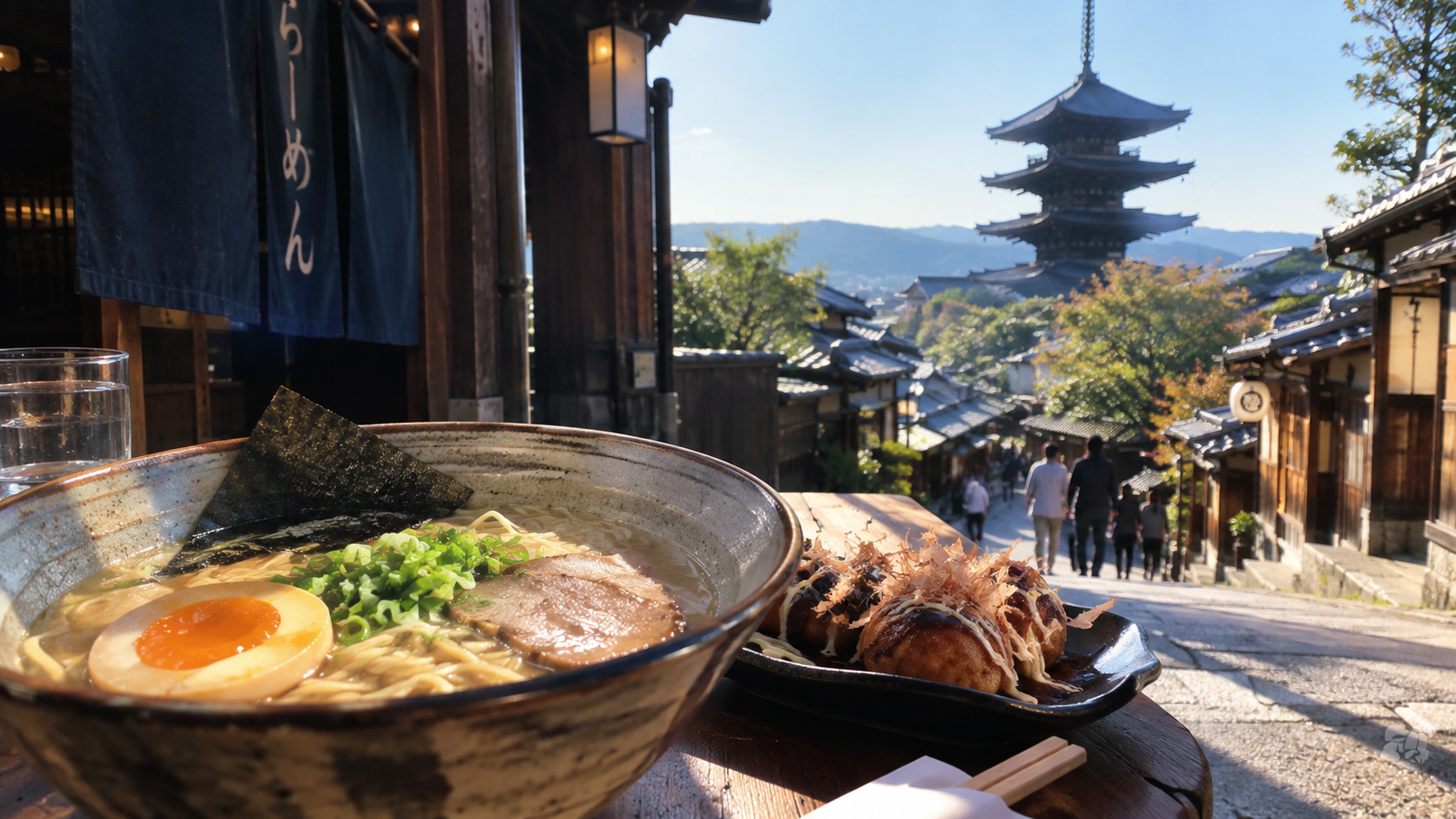
Japanese Food Shows That Will Make You Want to Visit Japan
There are plenty of ways to learn about Japanese food, but watching someone actually eat their way through a neighborhood can make the experience feel much more immediate.
A bowl of ramen in a Tokyo neighborhood. A plate of seafood in Hokkaido. A traditional Japanese sweet in Shibuya. Suddenly, the question is less “What does that look like?” and more “How soon could I try it myself?”
Amasian TV has several food and travel programs that approach Japanese cuisine from very different directions. Some stay close to Tokyo, while others head north to Hokkaido. Some focus on individual restaurants and dishes, while others look more closely at the ingredients and people behind Japanese food.
Here are a few worth adding to your watchlist if food is one of the reasons you want to visit Japan.
The Solitary Gourmet Season 10: Eating Across Tokyo and Beyond
The Solitary Gourmet Season 10 follows Goro Inogashira, played by Yutaka Matsushige, as his work takes him to different parts of Japan and his appetite leads him into local restaurants.
One of the show’s pleasures is that the destinations are not treated like a checklist of famous attractions. Goro might be in an ordinary neighborhood because of a business appointment, only to end up discovering somewhere worth eating.
Season 10 takes him to places including Shirokanedai in Tokyo, where he finds an Indonesian restaurant serving dishes centered around nasi goreng, and Sakuragicho in Yokohama, where he stops at a kitchen café near the station. The official TV Tokyo descriptions of the episodes make the locations part of the appeal: the food is specific to the place, but the surrounding neighborhood matters too.
That makes the series particularly good travel inspiration if your ideal Japan itinerary involves wandering around a city and seeing where you end up.

Shibuyummy: A Taste of Tokyo’s Shibuya
If you want something more directly focused on one neighborhood, Shibuyummy stays in Shibuya and looks for the food that exists beyond the most obvious tourist stops.
Hosted by Shizuka Anderson, the six-episode series covers sushi, parfaits, ramen, Japanese curry, Okinawan cuisine, and wagashi Japanese sweets.
The format makes Shibuya feel less like a single tourist destination and more like a collection of food experiences. A sushi restaurant can lead to one kind of Tokyo experience, while a shop specializing in Japanese sweets offers something completely different.
It’s also a useful reminder that food travel does not always mean finding one famous restaurant. Sometimes the fun is simply choosing a neighborhood and seeing how much you can discover there.

Foodie Files: Japan’s Taste for Fermentation
Japanese cuisine has a lot more going on than sushi and ramen.
Foodie Files: Japan’s Taste for Fermentation offers another way into Japanese food culture by focusing on fermentation, an important part of the country’s culinary traditions.
For anyone interested in how Japanese ingredients and cooking techniques develop flavor, this is a different kind of food travel experience. Instead of simply asking what a destination tastes like, it invites a closer look at how that food gets made.
It also fits naturally into a Japan trip built around regional food experiences rather than a standard sightseeing itinerary.

Traveling Chef De France in Hokkaido: Following the Ingredients
Hokkaido gives the campaign a completely different setting.
In Traveling Chef De France in Hokkaido, French chef Amandine Chaignot travels through the island exploring its ingredients and the people who produce them. The series touches on kombu, seafood, Wagyu beef, sake, and other parts of Hokkaido’s food culture.
One episode takes Chaignot to Hakodate’s fish market, where she learns about the area’s seafood and later explores the preparation of ramen. The program also brings Japanese chefs into the experience, turning the trip into a meeting between different cooking perspectives.
That makes Hokkaido feel less like a backdrop and more like an ingredient in the food itself.

Exploring Hokkaido’s Underground Food Scene: Season 2
If the idea of finding the food scene that does not necessarily appear on a standard tourist itinerary sounds appealing, Exploring Hokkaidos Underground Food Scene: Season 2 is another title to put on the list.
Together with Traveling Chef De France in Hokkaido, it offers a different view of the island from the Tokyo-focused programs. Instead of thinking about Japan as one food destination, you can start to see how different regions have their own ingredients, specialties, and food culture.
Start Building a Food-Focused Japan Watchlist
These programs cover very different experiences: a fictional salaryman looking for his next meal, a host exploring Shibuya, a closer look at fermentation, and chefs and food producers in Hokkaido.
That variety is part of what makes food travel so interesting. You can start with a dish you want to try and end up choosing an entire destination around it.
Watch these and other Japanese food and travel programs on Amasian TV, then explore where your next food-focused trip could take you.

From Watchlist to Travel List: Asian Shows That Inspire Real-World Adventures
Sometimes a travel destination starts with a search for flights and hotels.
Sometimes it starts much earlier, when you see a place on screen and think, “I want to go there.”
A restaurant in Tokyo. A road along the Korean coast. A market in Hokkaido. A landscape in China. A glimpse of everyday life in Singapore.
Asian entertainment has a way of turning places into part of the story, and Amasian TV’s travel and food programming offers plenty of examples. With its new partnership with Trip.com, Amasian TV is taking that connection a step further by linking viewers from the shows they watch to destinations they can actually explore and plan for.
Start in Japan: Follow the Food
Japan has some of the clearest examples of the connection between watching and traveling.
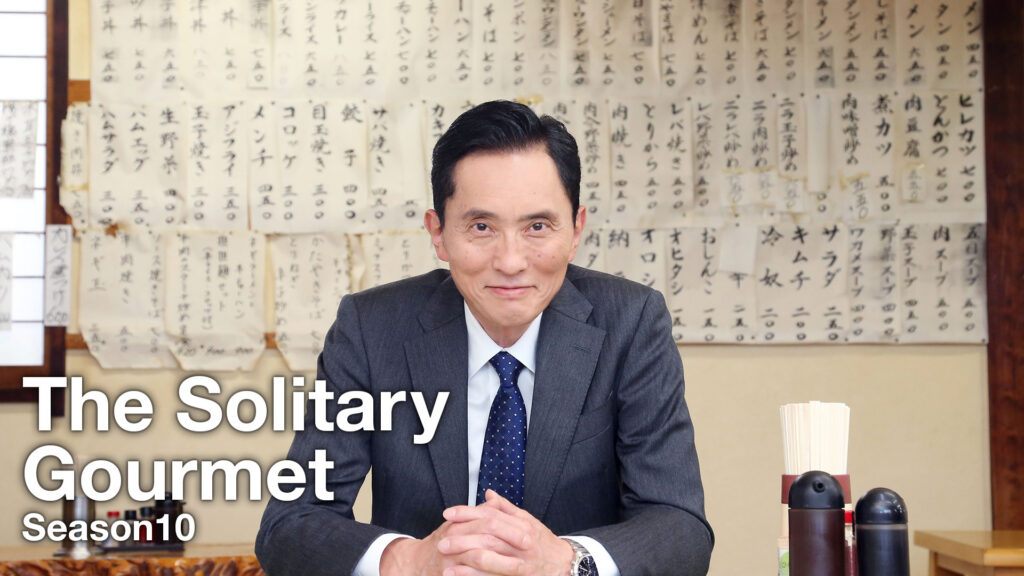
The Solitary Gourmet Season 10 follows Goro Inogashira through different parts of Japan as work leads him into local restaurants. The appeal is not just the food itself. The locations become part of the experience, from Tokyo neighborhoods to nearby cities such as Yokohama.
Shibuyummy takes a more concentrated approach, exploring food around Tokyo’s Shibuya neighborhood. Its episodes cover everything from sushi and ramen to parfaits, Japanese curry, Okinawan cuisine, and wagashi.
Then there are programs that move outside Tokyo.
Traveling Chef De France in Hokkaido follows French chef Amandine Chaignot as she explores Hokkaido’s ingredients, food producers, and local chefs. The series touches on seafood, kombu, Wagyu beef, sake, and other elements of the region’s food culture.
Exploring Hokkaidos Underground Food Scene: Season 2 adds another reason to look beyond the obvious destinations.
Together, these programs create a different kind of Japan itinerary. Instead of starting with a list of landmarks, you could start with the food you want to experience.
See Korea From the Road
Korean travel programming offers another set of possibilities.

In Seoksam Play: The Beginning, the cast travels through five cities with a 500,000 won budget affected by missions along the way. That constraint becomes part of the entertainment, but it also changes how the group approaches the trip.
Driving Traveler takes the opposite approach. Kim Nam Hee travels alone by car through places including Busan, Jinan, Samcheok, Danyang, and Namhae.
Then there is House on Wheels, where the cast travels around Korea in a mobile home, stopping in different areas and inviting guests to stay with them.
These shows do not present one definitive way to travel around Korea. They show how different the experience can be depending on whether you want a tightly planned itinerary, a road trip, or a slower stay.
Discover More of China
Amasian TV also offers China Travel and Discovering China, two channels that open up a broader look at the country.

China Travel focuses on China’s tourism and lifestyle, while Discovering China features documentary programming built around themes including China’s culture, history, and development.
The two channels were launched by China Global Television Network in 2025 as specialized international FAST channels. Their programming gives viewers another way to explore the country before deciding which destinations they might want to experience themselves.
For a traveler, that can be useful in a way that a simple list of “places to visit” is not. You get to see different aspects of a destination before deciding what actually interests you.
Singapore Through CNA

For Singapore, the campaign includes CNA, which brings together news, lifestyle, human-interest, current affairs, and documentary programming with an Asian perspective.
That makes it a little different from a dedicated travel channel. Rather than looking at Singapore only through tourism, CNA’s broader programming can provide context about the people, places, and issues that shape the city and the region.
Mediacorp describes CNA’s programming as spanning business, lifestyle, human-interest stories, current affairs, and documentaries, with a focus on Asian perspectives.
When Your Watchlist Becomes a Travel List
That is the idea behind the Amasian TV and Trip.com partnership.
The partnership connects Amasian TV’s food, travel, and cultural programming with curated destinations and travel planning on Trip.com. Viewers can explore destinations featured in shows, look through suggested itineraries and destination guides, and access flights, hotels, and Trip.com booking links. The campaign also includes up to $50 in Trip.com travel credit through the offer.
The concept is simple: the place you see on screen does not have to stay on screen.
A watchlist can be the beginning of an itinerary.
Explore the Shows and Plan the Trip
From Japanese food and Korean road trips to Chinese travel programming and Singapore-focused content, Amasian TV offers plenty of ways to start exploring a destination before you ever pack a bag.
Watch the shows, find the places that catch your attention, and then see where that curiosity takes you.

How Amasian TV and Trip.com Are Connecting Shows With Real Trips
Sometimes a show does more than make you want to keep watching. A meal can make you curious about the region it came from. A travel series can turn a place you’ve never considered into somewhere you’d actually like to visit. Even a familiar city can look different when you see it through the food, neighborhoods, and everyday experiences featured on screen.
That connection between entertainment and travel is at the center of a new partnership between Amasian TV and Trip.com, giving viewers a way to move from discovering a destination through Asian programming to actually planning a trip around it.
When a Show Becomes the Starting Point for a Trip
Travel programming has always offered a way to discover somewhere new without leaving home. But the experience usually ends when the episode does.
The Amasian TV and Trip.com partnership creates a more direct path from watching to travel planning. Viewers can discover destinations through Amasian’s food, travel, and cultural programming, then explore curated destination pages with travel information and booking options through Trip.com.
Those pages can include flights, hotels, suggested itineraries, destination guides, and Trip.com booking links, giving viewers a place to continue exploring after a show sparks their interest.
The idea is simple: if a program makes you curious about somewhere, that curiosity can become the beginning of an actual trip.
Start With What You Already Want to Watch
One of the most natural ways to discover a destination is through food.
A cooking or food travel program can introduce viewers to a place through its markets, ingredients, restaurants, and regional specialties. Instead of learning about a destination from a list of attractions, you’re seeing what people eat and how food fits into everyday life.
That’s part of why the partnership connects particularly well with Amasian’s food and travel programming.
For example, Traveling Chef de France in Hokkaido can lead viewers toward exploring Hokkaido itself. Other Japanese travel programming can introduce viewers to countryside destinations and regional food experiences, while Korean programming can inspire ideas for culinary and cultural trips.
The destination doesn’t have to be the subject of the show from the beginning. Sometimes one specific meal, neighborhood, landscape, or local experience is enough to make you want to know more.
From Hokkaido to Korea, the Watchlist Can Become a Travel List
The partnership currently connects viewers with programming and destinations across several parts of Asia.
In Japan, Amasian TV’s featured programming includes food and travel series exploring places such as Tokyo and Hokkaido. Shows including The Solitary Gourmet Season 10, Foodie Files: Japan’s Taste for Fermentation, and Exploring Hokkaido’s Underground Food Scene: Season 2 give viewers different ways to experience Japan through food and local culture.
In Korea, travel-focused programming offers another route into destination discovery, from road trips and local experiences to food and city exploration.
The broader idea extends beyond traditional travel shows, too. A destination can come from a documentary, a food series, or even a memorable location seen in a drama or movie. The partnership’s concept includes everything from Japanese countryside destinations to filming locations and regional cuisine featured throughout Amasian TV’s lineup.
What Happens After You Find Somewhere You Want to Go?
Once a destination catches your attention, the next step is usually research.
Where should you stay? What should you do while you’re there? How do you get there? How many days should you plan for?
The Amasian TV and Trip.com experience is designed to bring those next steps closer to the content that sparked the idea in the first place. Viewers can move from featured programming into destination information and travel planning, with Trip.com providing access to flights, hotels, activities, and other travel services.
The partnership also includes up to $50 in travel credit through Trip.com, subject to the offer’s applicable terms and conditions.
That makes the campaign about more than recommending places to visit. It creates a connection between the entertainment that introduces a destination and the tools needed to start planning it.
Your Next Trip Might Start With Your Watchlist
A travel plan doesn’t always begin with a search for flights.
Sometimes it starts with a bowl of noodles on a food show. A road trip through a part of Korea you’ve never visited. A view of Hokkaido in the middle of winter. A small restaurant tucked away on a Tokyo street. Or a location from a movie that makes you wonder what the real place looks like.
That’s the kind of discovery Amasian TV and Trip.com are bringing together.
Ready to turn your watchlist into a travel list?
Explore the Amasian TV and Trip.com partnership to discover shows, destinations, and travel planning options inspired by Asian programming.

Bad Guys: Vile City: A Korean Crime Thriller About Taking Down a Corrupt Power Network
A prosecutor in Seowon is given a difficult assignment: take down Jo Young-gook, the powerful CEO of Hyunseung Company.
Woo Je-moon knows that a conventional investigation probably won’t be enough. He puts together a team of people who have their own experience with violence and crime, then goes after Young-gook and the network protecting him.
That is the setup for Bad Guys: Vile City, the 2017 Korean crime thriller starring Park Joong-hoon, Joo Jin-mo, Yang Ik-june, Kim Moo-yul, and Ji Soo. The 16-episode drama aired from December 2017 to February 2018.
Watch Bad Guys: Vile City on Amasian TV
Woo Je-moon already knows how ugly the job can get
Woo Je-moon is a prosecutor at the Seowon District Public Prosecutors’ Office, and he has a reputation for using drastic methods to get results.
Three years before the main events of the story, a corruption investigation ended badly. Je-moon’s colleague was killed, and another was left seriously injured. When he gets another opportunity to pursue the people responsible, he decides to approach the case differently.
His target is Jo Young-gook, the CEO of Hyunseung Company and one of the most powerful figures in Seowon.
Je-moon starts assembling people who can help him reach Young-gook.
The team is built from people with very different pasts
The group includes four other men, and their reasons for being there aren’t the same.
Heo Il-hoo, played by Joo Jin-mo, is a former mobster who was once feared for his violence. After leaving that life behind, he runs a restaurant, but Je-moon knows his past could make him useful.
Jang Sung-cheol, played by Yang Ik-june, is a detective whose personal problems and unpredictable behavior make him difficult to read.
Han Gang-joo, played by Ji Soo, is a young man with a criminal past who becomes involved after violence reaches his family.
Then there is Noh Jin-pyeong, played by Kim Moo-yul. He’s a rookie prosecutor who enters the investigation with considerably less experience than the others.
Putting these people together creates an immediate problem. They don’t share the same history, the same motivations, or the same ideas about how far they should go.
Noh Jin-pyeong gives the group a different perspective
Jin-pyeong is one of the most useful characters to follow because he’s still trying to understand the world he’s been pulled into.
He’s a rookie prosecutor at the beginning of his career. His previous experience with violence has already affected him, and joining Je-moon’s team forces him into situations far outside the controlled environment he expected from his job.
That becomes especially important as the investigation escalates.
The people around him are willing to fight, threaten, deceive, and take risks that would normally be far outside the boundaries of legal procedure. Jin-pyeong has to figure out how to work alongside them while dealing with the consequences of their methods.
Jo Young-gook has built a difficult target
Young-gook’s position makes the investigation increasingly complicated.
He runs Hyunseung Company and has substantial influence in Seowon. Je-moon’s team begins by targeting his criminal operations, but their investigation gradually exposes a wider network of people with connections to him.
That expansion gives the drama its larger sense of scale.
The team isn’t walking into one location, finding one culprit, and wrapping up the case. Every step toward Young-gook brings them into contact with another person or organization that has something to lose.
And the deeper they get, the more dangerous the investigation becomes.
The crime story keeps pulling the team in different directions
One of the more interesting aspects of Vile City is how the characters’ personal motives become tangled up with the main investigation.
Je-moon is pursuing the people connected to the corruption case that changed his life.
Gang-joo has his own reasons for wanting revenge.
Il-hoo’s past makes him useful to the investigation while also making him vulnerable to the people they’re fighting.
Jin-pyeong is still trying to understand where he fits into all of this.
Sung-cheol operates with his own methods and instincts.
The investigation therefore keeps changing as the characters learn more about one another and about the people they’re pursuing.
The Bad Guys name, with a different story
Bad Guys: Vile City is a spin-off of the 2014 series Bad Guys, but it follows a new story with a largely new group of characters. The connection is the basic idea of using people with questionable backgrounds and methods to pursue criminals who are even harder to reach through conventional means.
This time, the story is built around a prosecutor trying to dismantle a powerful criminal network in Seowon.
With 16 episodes to work with, the investigation has room to expand from one target into a much larger conflict involving organized crime, corruption, and people inside the system who have their own interests.
For viewers looking for a Korean crime thriller with a large ensemble, violent confrontations, and a long-running investigation, Bad Guys: Vile City has plenty to work with.

Psychopath Diary: The K-Drama Where a Timid Man Thinks He’s a Serial Killer
What if you found a serial killer’s diary and, after losing your memory, became convinced it was yours?
That is the setup for Psychopath Diary, the 2019 thriller starring Yoon Shi-yoon, Jung In-sun, and Park Sung-hoon. Yoon Shi-yoon plays Yook Dong-sik, a timid employee at a securities company who ends up with the diary after stumbling onto a murder. An accident leaves him with amnesia, and the diary becomes the only real clue he has about who he might have been.
Unfortunately for Dong-sik, the diary describes a serial killer.
So he reaches the wrong conclusion.
Watch Pyscopath Diary for free on Amasian TV
The diary becomes Dong-sik’s new identity
Before the accident, Dong-sik is used to being pushed around. He takes the blame for mistakes at work and struggles to stand up for himself. Then, almost immediately, his life becomes much stranger.
He witnesses a murder, escapes with the killer’s diary, gets hit by a police car, and wakes up without his memories.
The diary contains detailed records of murders, so Dong-sik has no reason to think it belongs to somebody else. As far as he knows, this is evidence of a life he can’t remember.
That misunderstanding drives the entire premise.
Dong-sik mistakes himself for a psychopath serial killer after losing his memory and finding the diary. The real owner of the diary is Seo In-woo, played by Park Sung-hoon.
The interesting part is what happens to Dong-sik afterward
The comedy comes from watching a man who has spent his life being intimidated by other people suddenly believe that he is capable of murder.
Dong-sik starts interpreting his own behavior differently. Small acts of confidence can take on a completely different meaning once he believes he is a dangerous criminal.
That gives Yoon Shi-yoon an unusual performance challenge. He isn’t simply playing a timid office worker throughout the drama. Dong-sik’s understanding of himself keeps changing, even though the audience knows that his basic assumption about the diary is wrong.
Meanwhile, the actual killer has a very different problem.
The real serial killer needs his diary back
Seo In-woo isn’t trying to discover whether he is dangerous. He already knows exactly who he is.
He is the real serial killer, and losing the diary creates a problem because it contains a record of his crimes. Dong-sik, meanwhile, is walking around with the diary while believing its contents describe his own past.
That creates an unusual situation where the two men are operating with completely different versions of the truth.
Dong-sik is frightened of what he thinks he has done.
In-woo is worried about what Dong-sik has accidentally discovered.
The tension between those two perspectives is one of the drama’s strongest recurring ideas.
A crime drama with a very strange sense of humor
Psychopath Diary aired for 16 episodes from November 2019 through January 2020. Its central story gives it plenty of conventional crime-thriller material, but the mistaken identity premise lets the drama repeatedly undercut that tension with comedy.
That’s also why the premise remains easy to remember years later.
A man finds a murder diary.
He loses his memory.
He assumes he’s the murderer.
And the actual murderer is trying to get the diary back.
There aren’t many K-dramas that start from quite that combination of circumstances.

How to Watch Asian Content: Region and Platform Guides
How to Watch Asian Content: Best Platforms and Regional Access Guides for Streaming Asian Dramas and Shows
In an increasingly global media landscape, many viewers are keen on accessing Asian content, especially popular dramas emanating from Korea, Japan, and China. With diverse narratives and culturally rich storytelling, Asian dramas have garnered a significant international following. This guide will explore how to watch Asian content across different platforms, offering insights into regional access and restrictions. Viewers will learn which streaming services are the most effective for accessing their desired shows, how to circumvent regional barriers, and the different types of content available. By addressing common dilemmas such as content access and legal considerations, this article aims to equip fans with the knowledge needed for uninterrupted viewing. We will delve into various platforms, their offerings by region, and practical advice for bypassing restrictions.
Which Streaming Platforms Offer Asian Dramas by Region?
Streaming platforms are crucial for accessing Asian dramas, as availability can widely differ depending on geographical location. The following discussion highlights some of the best platforms tailored for a global audience.
How Do Streaming Services Vary for Asian Content in the USA, Canada, and Europe?
Availability of Asian dramas is not uniform and can be influenced by service licensing agreements:
- USA: Viewers enjoy robust access to platforms like Hulu and Netflix, which feature a mix of licensed and original programming. Amasian TV is also one of the best streaming platform for asian content.
- Canada: Viki and Netflix both offer a strong catalog of Korean dramas, alongside localized content suitable for Canadian audiences.
- Europe: Restrictions are often tighter in parts of Europe. Services like Viki are generally accessible; however, local laws may limit specific titles on sites like Netflix.
How Can Viewers Access Regional Asian Content Restrictions?
For many, geographical restrictions can be frustrating when attempting to watch desired content. Fortunately, there are methods available to assist viewers in accessing regional Asian dramas.
What Role Do VPN Services Play in Unblocking Asian Dramas Abroad?

VPNs (Virtual Private Networks) serve as an essential tool for users aiming to access content otherwise restricted in their region. By masking the user’s IP address and simulating a connection from a different geographic location, VPN services can effectively bypass content blocks. Popular choices among users include ExpressVPN and NordVPN, renowned for their reliability and speed.
Which Subscription Models Support Access to Region-Locked Asian Content?
Understanding subscription models can provide significant insight into cost-effectiveness:
- Monthly Subscriptions: Services like Netflix and Amazon Prime offer rolling subscriptions that provide immediate access to their libraries.
- Pay-Per-View Options: Some platforms allow rentals on a singular basis, which can be attractive for occasional viewers.
- Combination Packages: Services such as Viki offer tiers combining free access with premium add-ons, appealing to both casual and dedicated audiences.
What Types of Asian Content Are Available on Streaming Platforms?
A diverse range of Asian content can be found on these platforms, catering to all tastes and preferences:
- Dramas: From romantic comedies to intense thrillers, popular genres include Korean, Japanese, and Chinese dramas, each with distinctive storytelling styles.
- Variety Shows: These are integral to Asian entertainment culture, highlighting humor, celebrity interactions, and games. Series like “Running Man” are prime examples that have gained worldwide popularity.
What Defines Popular Korean, Japanese, and Chinese Dramas on These Services?
Popular dramas are typically characterized by relatable themes and high production values. Korean dramas often emphasize romance and family ties, whereas Japanese dramas may explore unique cultural phenomena or psychological themes. Chinese dramas vary significantly in style, often encompassing historical narratives and fantasy elements.
How Can Fans Find Asian Variety Shows and Other Unique Content?
Locating variety shows and unique programming can be facilitated through several means:
- Community Recommendations: Online forums and social media often provide insights into trending variety shows.
- Dedicated Apps: Platforms like Viki feature specific sections for variety content, making it straightforward to discover new shows.
What Are the Legal and Licensing Considerations for Watching Asian Content Abroad?
Numerous factors in licensing impact the availability of titles across different regions. Understanding these complexities can help viewers make informed decisions.
How Do Licensing Agreements Affect Availability of Asian Dramas by Region?
Licensing agreements are critical in determining which shows can be streamed in specific regions. Various factors include:
- Global Rights vs. Local Distribution: Some shows may only have local broadcasting rights, preventing availability on global platforms.
- Exclusive Contracts: Occasionally, a show may be exclusive to a single platform in certain geographical markets, thus limiting access.
What Are the Risks and Best Practices When Using VPNs for Streaming?
While VPNs serve as excellent tools for accessing diverse content, users must be cautious and informed:
- Privacy Risks: Some free VPNs can compromise user data, so it is recommended to opt for reputable services that enforce strict privacy policies.
- Service Restrictions: Major streaming platforms actively combat VPN usage; thus, it’s vital to stay updated on which VPN services remain functional for accessing these platforms.
Where Can Users Find Updated Platforms and Content Access Guides for Asian Entertainment?
Staying informed about changes in streaming services and licensing can enhance the viewing experience for enthusiasts.
How to Keep Track of New Streaming Services and Licensing Changes in 2025–2026?
Technology aids in monitoring current streaming options and licenses. Resources that can be utilized include:
- Subscription Management Tools: Applications like JustWatch allow users to track available streaming services across various titles.
- Social Media Alerts: Following aggregators on platforms like Twitter can provide instant information on new releases and changes.
What Tools and Resources Help Viewers Discover Asian Content Easily?
Several tools can significantly enhance the discovery of new Asian content:
- Review Platforms: Sites dedicated to user reviews can help gauge the popularity of shows and films prior to watching.
- Social Media Groups: Participating in communities focused on Asian dramas can facilitate recommendations and discussion among fans.
- Streaming Apps: Applications like DramaCool consolidate various viewing options, making it easier to find desired content.