
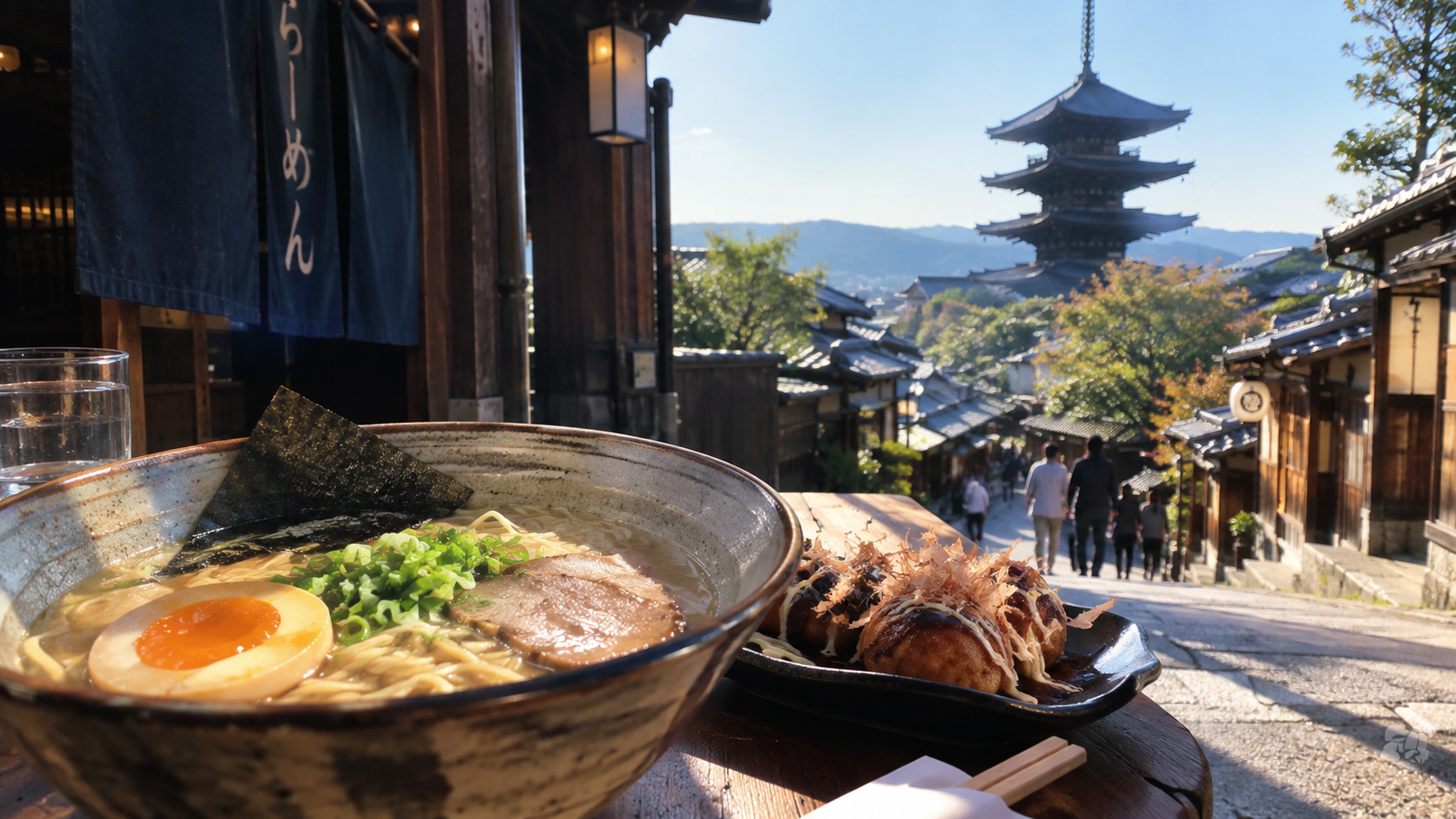
Japanese Food Shows That Will Make You Want to Visit Japan
There are plenty of ways to learn about Japanese food, but watching someone actually eat their way through a neighborhood can make the experience feel much more immediate.
A bowl of ramen in a Tokyo neighborhood. A plate of seafood in Hokkaido. A traditional Japanese sweet in Shibuya. Suddenly, the question is less “What does that look like?” and more “How soon could I try it myself?”
Amasian TV has several food and travel programs that approach Japanese cuisine from very different directions. Some stay close to Tokyo, while others head north to Hokkaido. Some focus on individual restaurants and dishes, while others look more closely at the ingredients and people behind Japanese food.
Here are a few worth adding to your watchlist if food is one of the reasons you want to visit Japan.
The Solitary Gourmet Season 10: Eating Across Tokyo and Beyond
The Solitary Gourmet Season 10 follows Goro Inogashira, played by Yutaka Matsushige, as his work takes him to different parts of Japan and his appetite leads him into local restaurants.
One of the show’s pleasures is that the destinations are not treated like a checklist of famous attractions. Goro might be in an ordinary neighborhood because of a business appointment, only to end up discovering somewhere worth eating.
Season 10 takes him to places including Shirokanedai in Tokyo, where he finds an Indonesian restaurant serving dishes centered around nasi goreng, and Sakuragicho in Yokohama, where he stops at a kitchen café near the station. The official TV Tokyo descriptions of the episodes make the locations part of the appeal: the food is specific to the place, but the surrounding neighborhood matters too.
That makes the series particularly good travel inspiration if your ideal Japan itinerary involves wandering around a city and seeing where you end up.

Shibuyummy: A Taste of Tokyo’s Shibuya
If you want something more directly focused on one neighborhood, Shibuyummy stays in Shibuya and looks for the food that exists beyond the most obvious tourist stops.
Hosted by Shizuka Anderson, the six-episode series covers sushi, parfaits, ramen, Japanese curry, Okinawan cuisine, and wagashi Japanese sweets.
The format makes Shibuya feel less like a single tourist destination and more like a collection of food experiences. A sushi restaurant can lead to one kind of Tokyo experience, while a shop specializing in Japanese sweets offers something completely different.
It’s also a useful reminder that food travel does not always mean finding one famous restaurant. Sometimes the fun is simply choosing a neighborhood and seeing how much you can discover there.

Foodie Files: Japan’s Taste for Fermentation
Japanese cuisine has a lot more going on than sushi and ramen.
Foodie Files: Japan’s Taste for Fermentation offers another way into Japanese food culture by focusing on fermentation, an important part of the country’s culinary traditions.
For anyone interested in how Japanese ingredients and cooking techniques develop flavor, this is a different kind of food travel experience. Instead of simply asking what a destination tastes like, it invites a closer look at how that food gets made.
It also fits naturally into a Japan trip built around regional food experiences rather than a standard sightseeing itinerary.
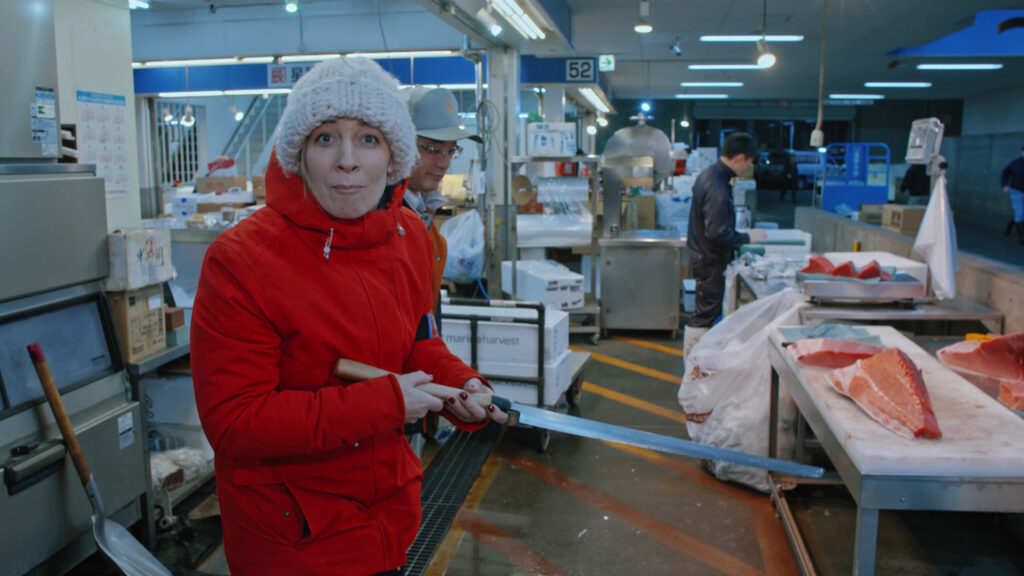
Traveling Chef De France in Hokkaido: Following the Ingredients
Hokkaido gives the campaign a completely different setting.
In Traveling Chef De France in Hokkaido, French chef Amandine Chaignot travels through the island exploring its ingredients and the people who produce them. The series touches on kombu, seafood, Wagyu beef, sake, and other parts of Hokkaido’s food culture.
One episode takes Chaignot to Hakodate’s fish market, where she learns about the area’s seafood and later explores the preparation of ramen. The program also brings Japanese chefs into the experience, turning the trip into a meeting between different cooking perspectives.
That makes Hokkaido feel less like a backdrop and more like an ingredient in the food itself.
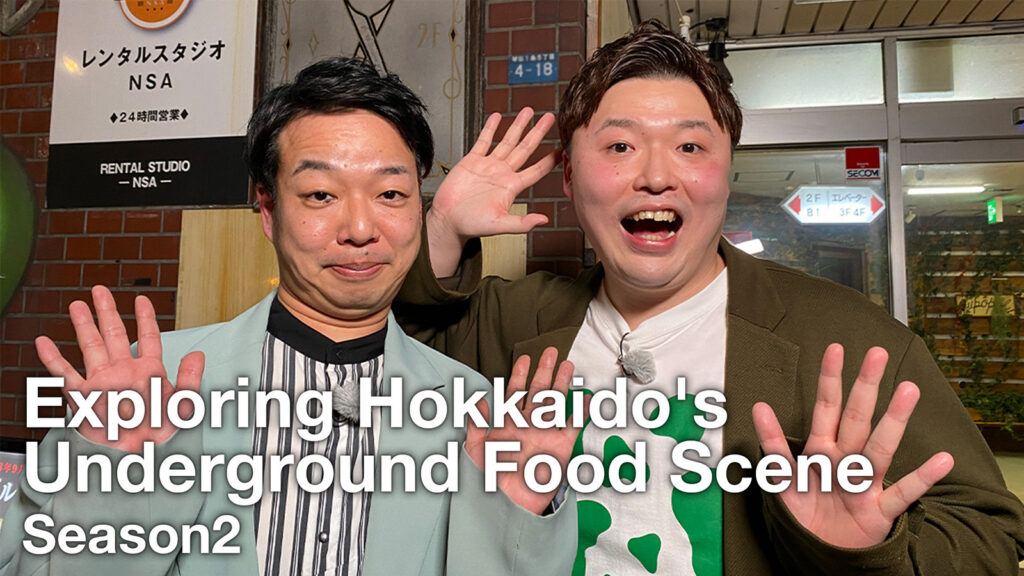
Exploring Hokkaido’s Underground Food Scene: Season 2
If the idea of finding the food scene that does not necessarily appear on a standard tourist itinerary sounds appealing, Exploring Hokkaidos Underground Food Scene: Season 2 is another title to put on the list.
Together with Traveling Chef De France in Hokkaido, it offers a different view of the island from the Tokyo-focused programs. Instead of thinking about Japan as one food destination, you can start to see how different regions have their own ingredients, specialties, and food culture.
Start Building a Food-Focused Japan Watchlist
These programs cover very different experiences: a fictional salaryman looking for his next meal, a host exploring Shibuya, a closer look at fermentation, and chefs and food producers in Hokkaido.
That variety is part of what makes food travel so interesting. You can start with a dish you want to try and end up choosing an entire destination around it.
Watch these and other Japanese food and travel programs on Amasian TV, then explore where your next food-focused trip could take you.
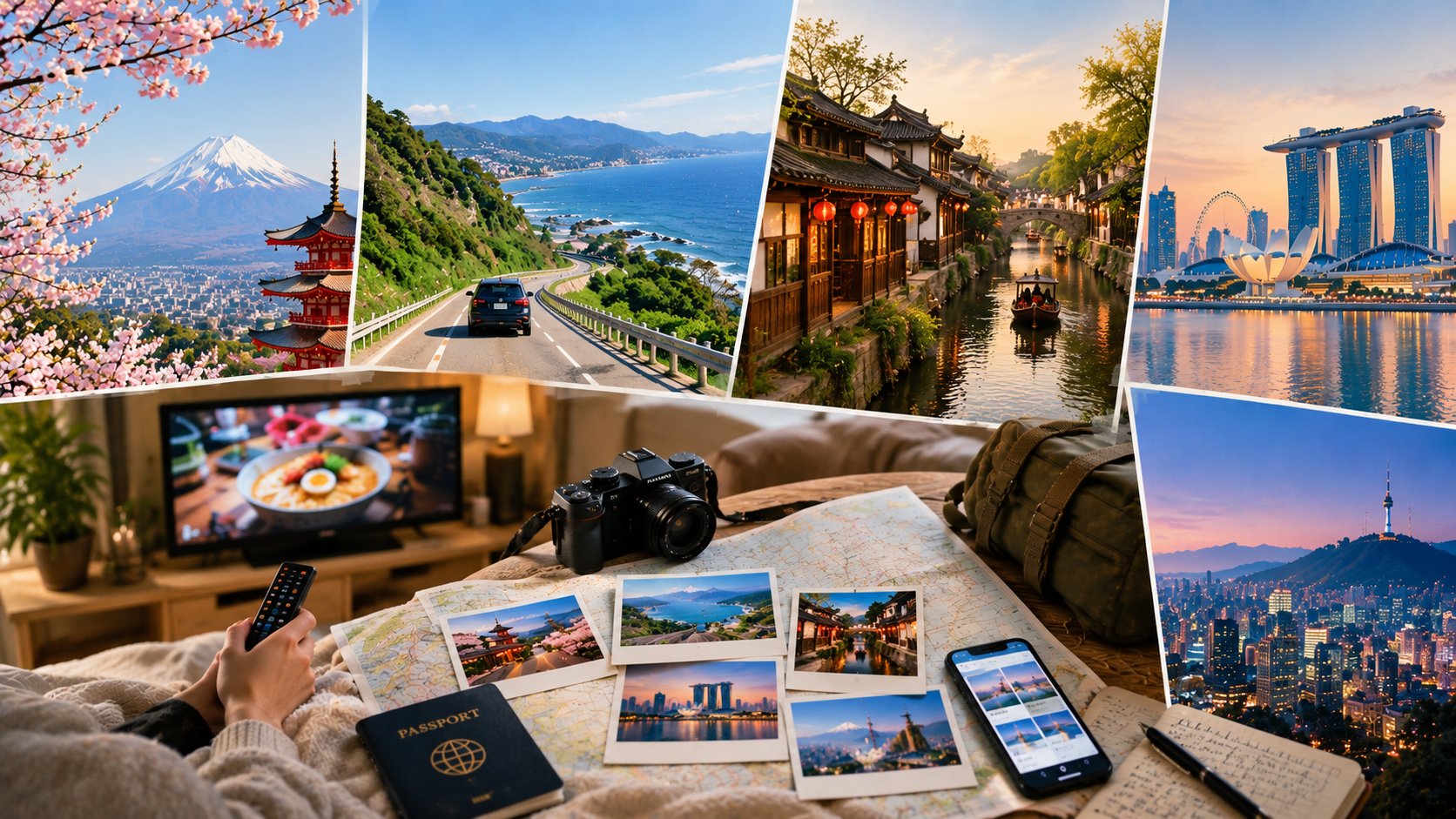
From Watchlist to Travel List: Asian Shows That Inspire Real-World Adventures
Sometimes a travel destination starts with a search for flights and hotels.
Sometimes it starts much earlier, when you see a place on screen and think, “I want to go there.”
A restaurant in Tokyo. A road along the Korean coast. A market in Hokkaido. A landscape in China. A glimpse of everyday life in Singapore.
Asian entertainment has a way of turning places into part of the story, and Amasian TV’s travel and food programming offers plenty of examples. With its new partnership with Trip.com, Amasian TV is taking that connection a step further by linking viewers from the shows they watch to destinations they can actually explore and plan for.
Start in Japan: Follow the Food
Japan has some of the clearest examples of the connection between watching and traveling.
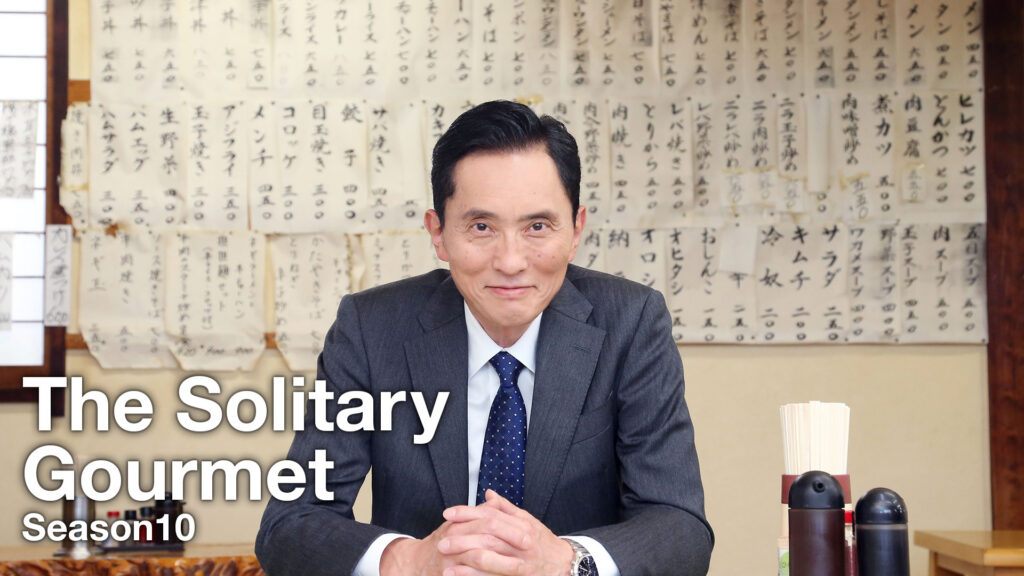
The Solitary Gourmet Season 10 follows Goro Inogashira through different parts of Japan as work leads him into local restaurants. The appeal is not just the food itself. The locations become part of the experience, from Tokyo neighborhoods to nearby cities such as Yokohama.
Shibuyummy takes a more concentrated approach, exploring food around Tokyo’s Shibuya neighborhood. Its episodes cover everything from sushi and ramen to parfaits, Japanese curry, Okinawan cuisine, and wagashi.
Then there are programs that move outside Tokyo.
Traveling Chef De France in Hokkaido follows French chef Amandine Chaignot as she explores Hokkaido’s ingredients, food producers, and local chefs. The series touches on seafood, kombu, Wagyu beef, sake, and other elements of the region’s food culture.
Exploring Hokkaidos Underground Food Scene: Season 2 adds another reason to look beyond the obvious destinations.
Together, these programs create a different kind of Japan itinerary. Instead of starting with a list of landmarks, you could start with the food you want to experience.
See Korea From the Road
Korean travel programming offers another set of possibilities.

In Seoksam Play: The Beginning, the cast travels through five cities with a 500,000 won budget affected by missions along the way. That constraint becomes part of the entertainment, but it also changes how the group approaches the trip.
Driving Traveler takes the opposite approach. Kim Nam Hee travels alone by car through places including Busan, Jinan, Samcheok, Danyang, and Namhae.
Then there is House on Wheels, where the cast travels around Korea in a mobile home, stopping in different areas and inviting guests to stay with them.
These shows do not present one definitive way to travel around Korea. They show how different the experience can be depending on whether you want a tightly planned itinerary, a road trip, or a slower stay.
Discover More of China
Amasian TV also offers China Travel and Discovering China, two channels that open up a broader look at the country.
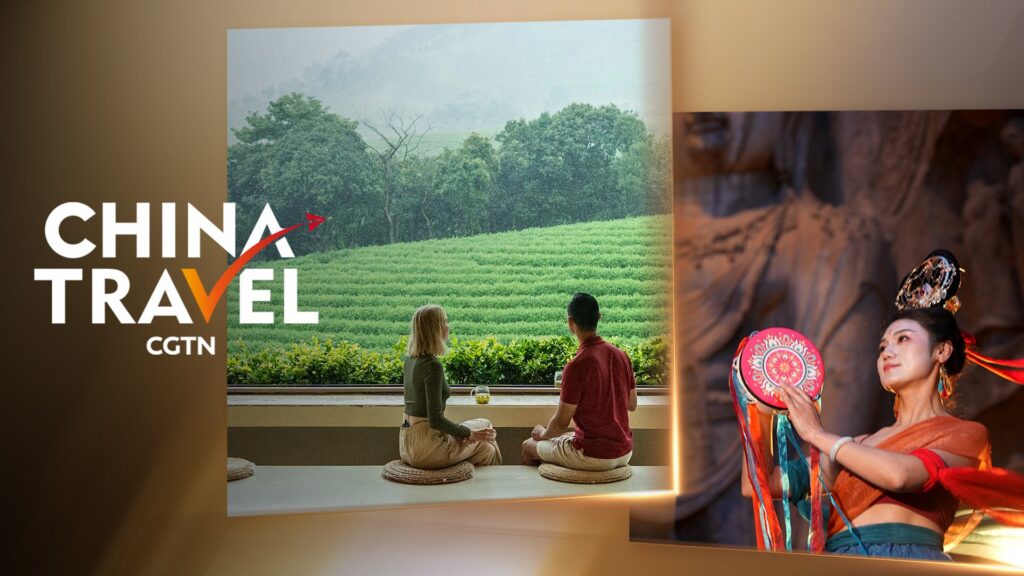
China Travel focuses on China’s tourism and lifestyle, while Discovering China features documentary programming built around themes including China’s culture, history, and development.
The two channels were launched by China Global Television Network in 2025 as specialized international FAST channels. Their programming gives viewers another way to explore the country before deciding which destinations they might want to experience themselves.
For a traveler, that can be useful in a way that a simple list of “places to visit” is not. You get to see different aspects of a destination before deciding what actually interests you.
Singapore Through CNA

For Singapore, the campaign includes CNA, which brings together news, lifestyle, human-interest, current affairs, and documentary programming with an Asian perspective.
That makes it a little different from a dedicated travel channel. Rather than looking at Singapore only through tourism, CNA’s broader programming can provide context about the people, places, and issues that shape the city and the region.
Mediacorp describes CNA’s programming as spanning business, lifestyle, human-interest stories, current affairs, and documentaries, with a focus on Asian perspectives.
When Your Watchlist Becomes a Travel List
That is the idea behind the Amasian TV and Trip.com partnership.
The partnership connects Amasian TV’s food, travel, and cultural programming with curated destinations and travel planning on Trip.com. Viewers can explore destinations featured in shows, look through suggested itineraries and destination guides, and access flights, hotels, and Trip.com booking links. The campaign also includes up to $50 in Trip.com travel credit through the offer.
The concept is simple: the place you see on screen does not have to stay on screen.
A watchlist can be the beginning of an itinerary.
Explore the Shows and Plan the Trip
From Japanese food and Korean road trips to Chinese travel programming and Singapore-focused content, Amasian TV offers plenty of ways to start exploring a destination before you ever pack a bag.
Watch the shows, find the places that catch your attention, and then see where that curiosity takes you.

How Amasian TV and Trip.com Are Connecting Shows With Real Trips
Sometimes a show does more than make you want to keep watching. A meal can make you curious about the region it came from. A travel series can turn a place you’ve never considered into somewhere you’d actually like to visit. Even a familiar city can look different when you see it through the food, neighborhoods, and everyday experiences featured on screen.
That connection between entertainment and travel is at the center of a new partnership between Amasian TV and Trip.com, giving viewers a way to move from discovering a destination through Asian programming to actually planning a trip around it.
When a Show Becomes the Starting Point for a Trip
Travel programming has always offered a way to discover somewhere new without leaving home. But the experience usually ends when the episode does.
The Amasian TV and Trip.com partnership creates a more direct path from watching to travel planning. Viewers can discover destinations through Amasian’s food, travel, and cultural programming, then explore curated destination pages with travel information and booking options through Trip.com.
Those pages can include flights, hotels, suggested itineraries, destination guides, and Trip.com booking links, giving viewers a place to continue exploring after a show sparks their interest.
The idea is simple: if a program makes you curious about somewhere, that curiosity can become the beginning of an actual trip.
Start With What You Already Want to Watch
One of the most natural ways to discover a destination is through food.
A cooking or food travel program can introduce viewers to a place through its markets, ingredients, restaurants, and regional specialties. Instead of learning about a destination from a list of attractions, you’re seeing what people eat and how food fits into everyday life.
That’s part of why the partnership connects particularly well with Amasian’s food and travel programming.
For example, Traveling Chef de France in Hokkaido can lead viewers toward exploring Hokkaido itself. Other Japanese travel programming can introduce viewers to countryside destinations and regional food experiences, while Korean programming can inspire ideas for culinary and cultural trips.
The destination doesn’t have to be the subject of the show from the beginning. Sometimes one specific meal, neighborhood, landscape, or local experience is enough to make you want to know more.
From Hokkaido to Korea, the Watchlist Can Become a Travel List
The partnership currently connects viewers with programming and destinations across several parts of Asia.
In Japan, Amasian TV’s featured programming includes food and travel series exploring places such as Tokyo and Hokkaido. Shows including The Solitary Gourmet Season 10, Foodie Files: Japan’s Taste for Fermentation, and Exploring Hokkaido’s Underground Food Scene: Season 2 give viewers different ways to experience Japan through food and local culture.
In Korea, travel-focused programming offers another route into destination discovery, from road trips and local experiences to food and city exploration.
The broader idea extends beyond traditional travel shows, too. A destination can come from a documentary, a food series, or even a memorable location seen in a drama or movie. The partnership’s concept includes everything from Japanese countryside destinations to filming locations and regional cuisine featured throughout Amasian TV’s lineup.
What Happens After You Find Somewhere You Want to Go?
Once a destination catches your attention, the next step is usually research.
Where should you stay? What should you do while you’re there? How do you get there? How many days should you plan for?
The Amasian TV and Trip.com experience is designed to bring those next steps closer to the content that sparked the idea in the first place. Viewers can move from featured programming into destination information and travel planning, with Trip.com providing access to flights, hotels, activities, and other travel services.
The partnership also includes up to $50 in travel credit through Trip.com, subject to the offer’s applicable terms and conditions.
That makes the campaign about more than recommending places to visit. It creates a connection between the entertainment that introduces a destination and the tools needed to start planning it.
Your Next Trip Might Start With Your Watchlist
A travel plan doesn’t always begin with a search for flights.
Sometimes it starts with a bowl of noodles on a food show. A road trip through a part of Korea you’ve never visited. A view of Hokkaido in the middle of winter. A small restaurant tucked away on a Tokyo street. Or a location from a movie that makes you wonder what the real place looks like.
That’s the kind of discovery Amasian TV and Trip.com are bringing together.
Ready to turn your watchlist into a travel list?
Explore the Amasian TV and Trip.com partnership to discover shows, destinations, and travel planning options inspired by Asian programming.