
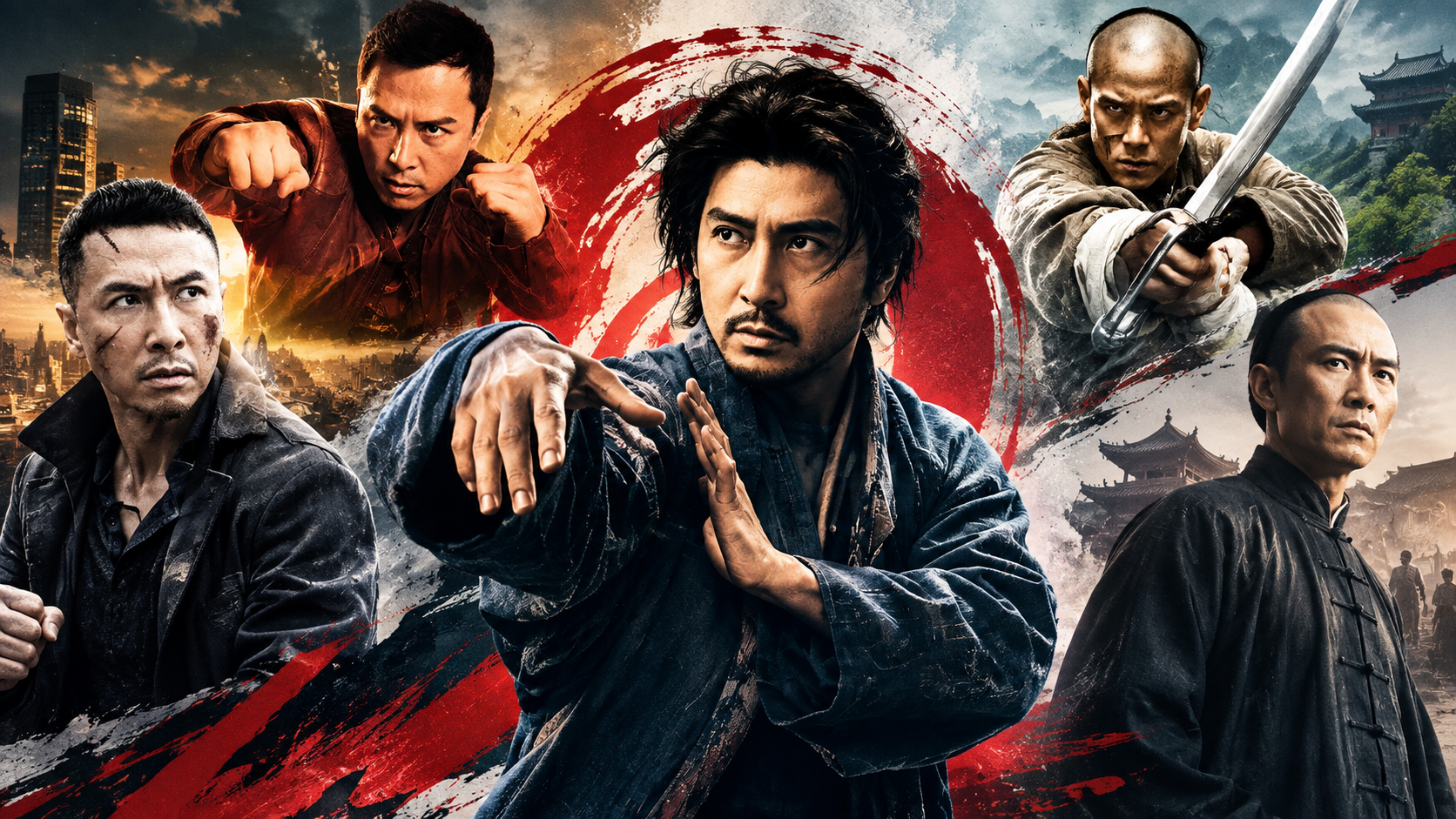
From Street Fights to Wuxia: 5 Chinese Martial Arts Movies to Watch
Chinese martial arts cinema can move between grounded street fighting, elaborate wuxia fantasy, historical drama, and stories about the rules and traditions surrounding martial arts themselves.
Amasian TV’s catalogue has several movies that make that range especially easy to see. Flash Point, Kung Fu Killer, Rise of the Legend, Sakra, and The Final Master all put martial arts at the center, but they have very different ideas about what those fights are supposed to accomplish.
If you’re looking for something beyond the same familiar kung fu setup, these five are a good place to start.
1. Flash Point makes every fight feel physical
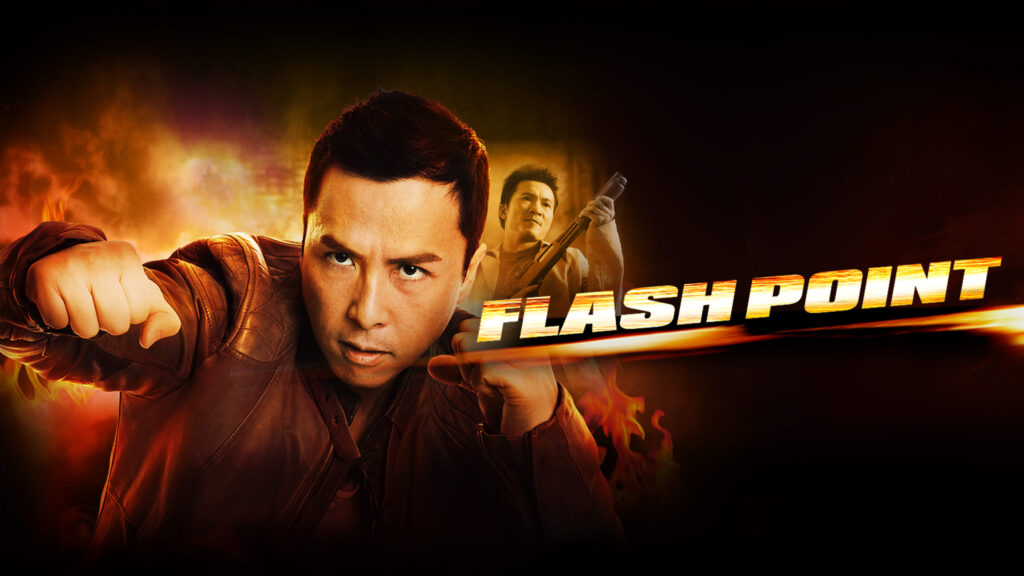
Flash Point is the movie to start with if you want martial arts that feel unusually close to an actual fight.
Donnie Yen stars as Detective Ma Jun, a Hong Kong police officer investigating a crime syndicate. The story eventually builds toward a confrontation with the gang, but the film’s reputation comes largely from what Yen did with the action choreography.
For Flash Point, Yen pushed the fights toward mixed martial arts, incorporating techniques such as grappling, takedowns and joint locks instead of relying exclusively on traditional kung fu forms. Contemporary coverage of the film specifically noted the shift toward MMA-style close combat and the use of real martial artists to give the sequences a more physical quality.
That approach makes a difference in the way the fights are filmed. Characters grab, throw, wrestle and struggle for position rather than politely taking turns displaying techniques.
The final confrontation is the payoff. It is messy, exhausting and intensely physical, which is exactly what makes Flash Point such an influential modern Hong Kong action movie.
Watch it if: you prefer fight choreography that looks like people are actually trying to hurt each other.
2. Kung Fu Killer turns martial arts knowledge into the mystery
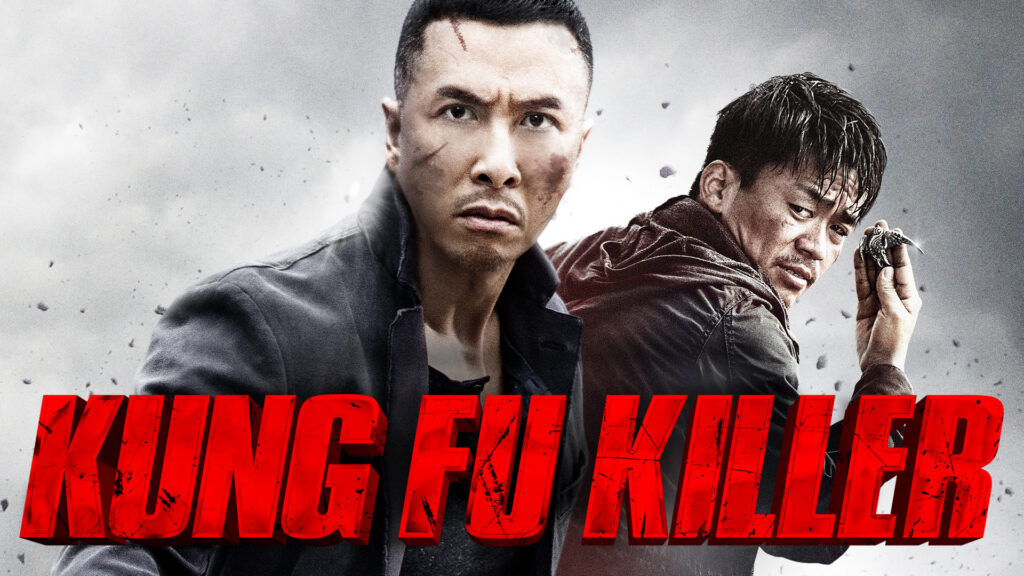
Kung Fu Killer takes a completely different approach.
Donnie Yen plays Hahou Mo, a martial arts instructor serving a prison sentence after killing a man during a fight. When martial-arts masters begin turning up dead, Mo offers to help the police identify the killer because he recognizes the patterns behind the murders.
The premise gives the movie a fun structural idea: different martial arts disciplines become clues.
The killer targets specialists in different forms of combat, so Mo can recognize what happened from the techniques used. One victim’s expertise might involve kicking, another’s weapons, another’s hand-to-hand fighting. The investigation therefore becomes partly a catalogue of martial arts styles.
The movie also functions as a love letter to Hong Kong action cinema. The film includes appearances from numerous figures associated with the industry, and its ending credits highlight many of those cameos.
And then there’s the final fight, which moves onto a busy highway and puts Yen and Wang Baoqiang into a particularly chaotic environment. The setting gives the fight a different kind of danger because traffic keeps moving around them.
Watch it if: you like the idea of a martial-arts movie that treats fighting styles almost like detective clues.
3. Rise of the Legend gives Wong Fei-hung a younger, rougher origin story
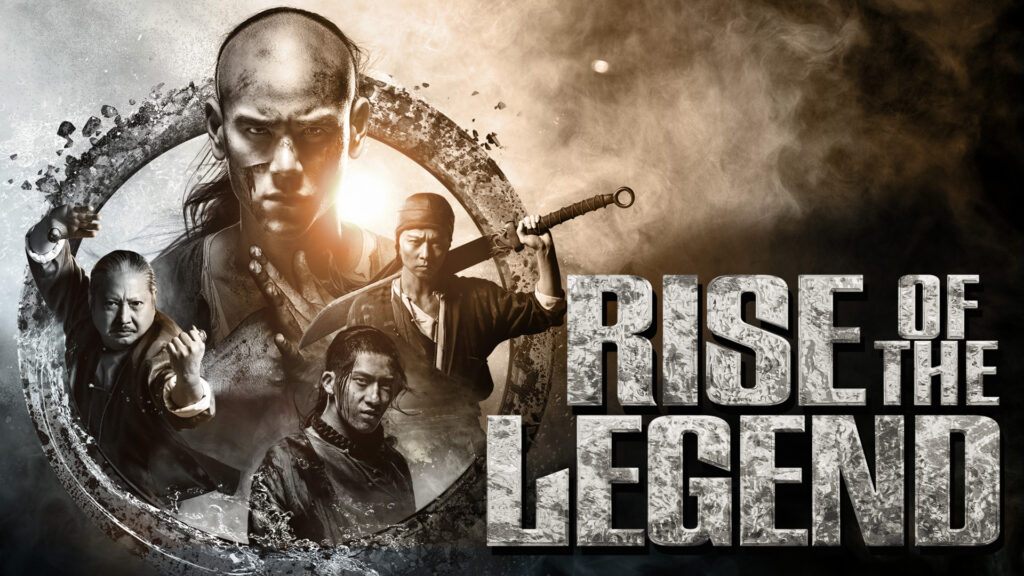
Wong Fei-hung is one of the most recognizable figures in Chinese martial arts cinema, but Rise of the Legend doesn’t present him as the already-established master audiences might expect.
Eddie Peng plays a younger version of Wong in 19th-century Guangzhou. The film gives him an origin story built around revenge, criminal gangs and the world that eventually turns him into the legendary martial artist. Sammo Hung plays the crime boss Blackie Tiger, putting two generations of martial-arts cinema talent at the center of the film.
The movie also deliberately gives the familiar Wong Fei-hung mythology a more modern visual treatment. Corey Yuen handled the action choreography, and the film mixes large-scale sets, digital effects and wire-assisted action with more traditional martial-arts movement.
That makes Rise of the Legend an interesting choice if you’ve seen older Wong Fei-hung movies. It isn’t trying to recreate the same tone. It takes a character with more than a century of cinematic history and rebuilds his early life as a darker, faster-paced action story.
Watch it if: you want a familiar martial-arts legend presented with a modern action-movie edge.
4. Sakra goes all-in on wuxia
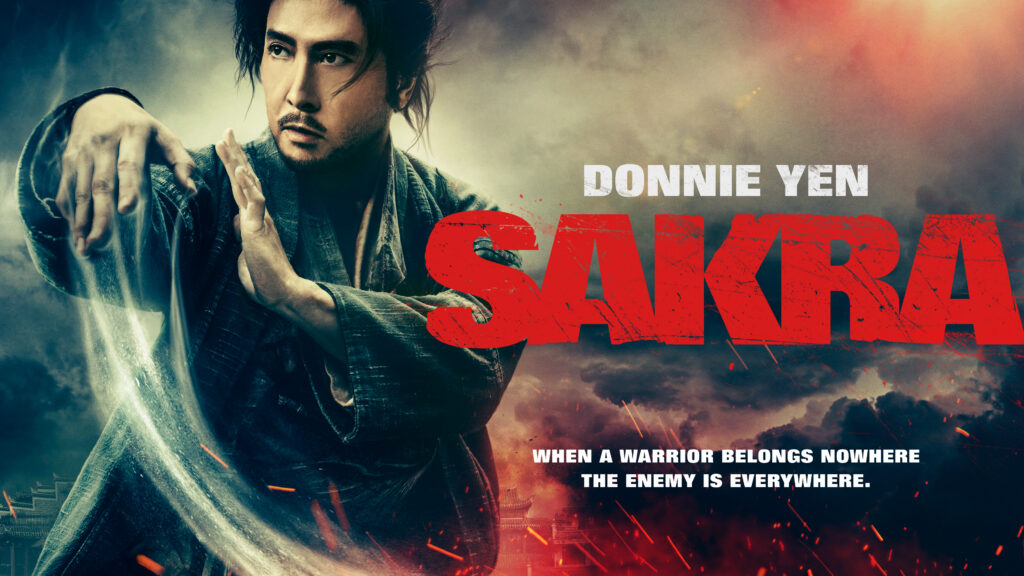
Then there’s Sakra, which takes the list firmly into wuxia territory.
Donnie Yen plays Qiao Feng, a powerful martial artist and leader of the Beggars’ Gang who becomes an outcast after being accused of murder. As he tries to clear his name, the story becomes tangled in questions of identity, loyalty and his mysterious origins.
The movie is adapted from Louis Cha’s Demi-Gods and Semi-Devils, one of the major works of modern wuxia literature. Yen also directed and produced the film, with Big Brother director Kam Ka-wai serving as co-director.
That source material changes what the fights look like.
In Flash Point, physical impact is the attraction. In Sakra, martial artists can launch themselves through the air, unleash exaggerated techniques and fight across elaborate sets. The movie is deliberately operating in the heightened world of wuxia rather than trying to make every movement look realistic.
The opening tavern fight is a good example of the difference. The environment becomes part of the choreography as furniture, walls and other pieces of the set are pulled into the action.
Sakra is also an interesting choice because it shows Yen working in a completely different register from the grounded combat of Flash Point. They’re both Donnie Yen movies, but they’re almost opposite interpretations of what a martial-arts fight can look like.
Watch it if: you want swordplay, flying martial artists and the larger-than-life world of wuxia.
5. The Final Master treats martial arts as a system of rules
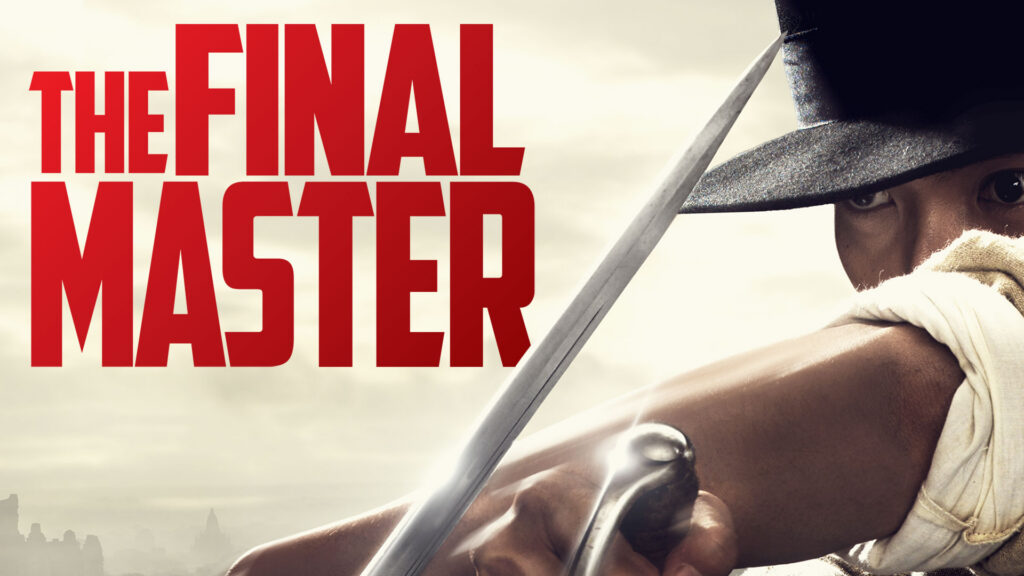
The Final Master might be the strangest movie in this group because its central conflict isn’t really about defeating a villain.
It’s about getting permission to open a martial-arts school.
Liao Fan plays Chen Shi, a Wing Chun master who travels to 1930s Tianjin hoping to establish a school. But Tianjin’s martial-arts community has its own rules. An outsider cannot simply arrive and start teaching. Chen has to navigate a complicated system involving rival schools, local masters and an apprentice who will fight on his behalf.
The result is part martial-arts movie, part political intrigue.
Director Xu Haofeng, who also wrote the screenplay for Wong Kar-wai’s The Grandmaster, is much more interested in the institutions surrounding martial arts than a straightforward hero’s journey. Characters constantly negotiate alliances, betray each other and manipulate the rules to get what they want.
Then the fighting cuts through all that conversation.
Xu choreographed the action himself, and the movie favors long takes, full-body framing and relatively grounded movement. The fights also make heavy use of weapons, particularly blades, rather than relying exclusively on empty-hand kung fu.
The contrast is what makes The Final Master memorable. The characters can spend several minutes talking about rules, honor and political maneuvering, and then suddenly settle an argument with a knife fight in a narrow alley.
Watch it if: you like martial-arts movies with elaborate schemes and a little more patience between the fights.
Five movies, five different ideas about martial arts
These movies make a pretty good progression through Chinese-language action cinema.
Flash Point strips the fighting toward physical impact. Kung Fu Killer turns different fighting disciplines into part of a murder mystery. Rise of the Legend takes a legendary martial artist and gives him a darker origin story. Sakra embraces the fantasy and mythology of wuxia. The Final Master looks at the traditions, politics and rivalries surrounding martial arts themselves.
That’s also why these five work better together than a generic action-movie roundup. They’re all built around martial arts, but the choreography is doing something different in each one.