From the endearingly flawed lead of Squid Game to an inscrutable undercover cop and a relentless pursuer, these four editor’s picks reveal the many shades of Lee Jung Jae’s charisma.
If Squid Game was your introduction to Lee Jung Jae, Seong Gi Hun is probably the face that comes to mind. He is awkward, frustrating, and often out of his depth, yet unable to turn away from someone in need. In the early episodes of Season 1, he is drowning in gambling debts and struggling to be someone his family can count on. He is hardly a conventional hero. But his instinct to care, even when his own life is falling apart, gives us a reason to root for him. Lee himself has spoken about the appeal of playing an ordinary person after a succession of intense villainous roles.
His film characters offer a different experience. They hold their tongues, conceal their motives, manipulate the people around them, or change the atmosphere simply by entering a scene. Yet calling them all ruthless villains would miss what makes each one compelling. One is caught between duty and loyalty. Another finds reasons to justify abandoning his principles. A third pursues revenge with terrifying resolve.
The key difference is emotion, particularly how much of it each character allows us to see. Gi Hun’s delight, embarrassment, and fear readily rise to the surface. These film characters suppress their feelings, disguise them, or turn them into a threat.
Our picks on Amasian TV include New World, Deliver Us from Evil, Assassination, and The Thieves. Together, they offer four ways to discover the Lee Jung Jae beyond Player 456.
Spoiler note: The following discusses character identities and relationships.
New World: Where Does Loyalty End and Duty Begin?
“Please, reassign me. Let me disappear”
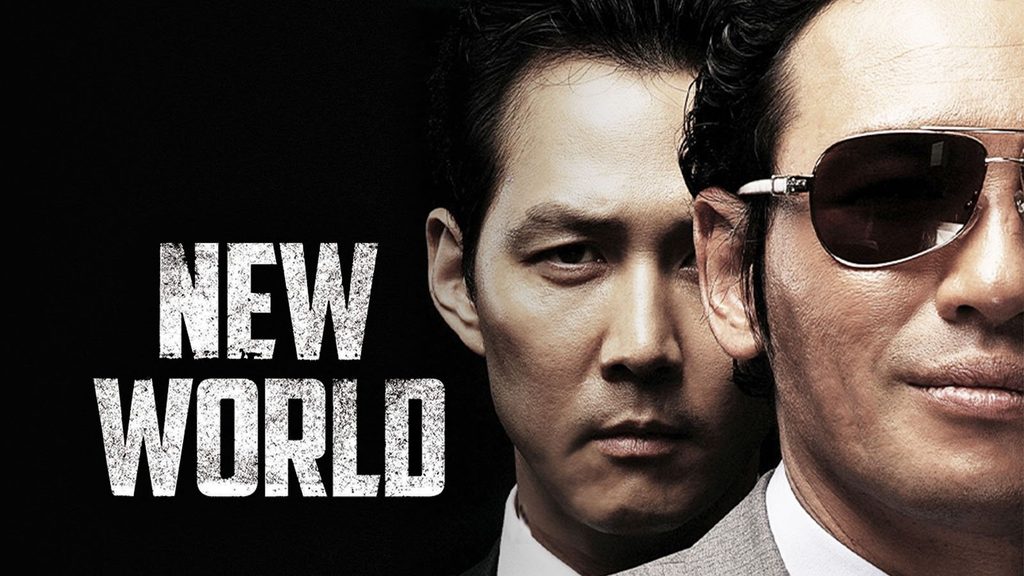
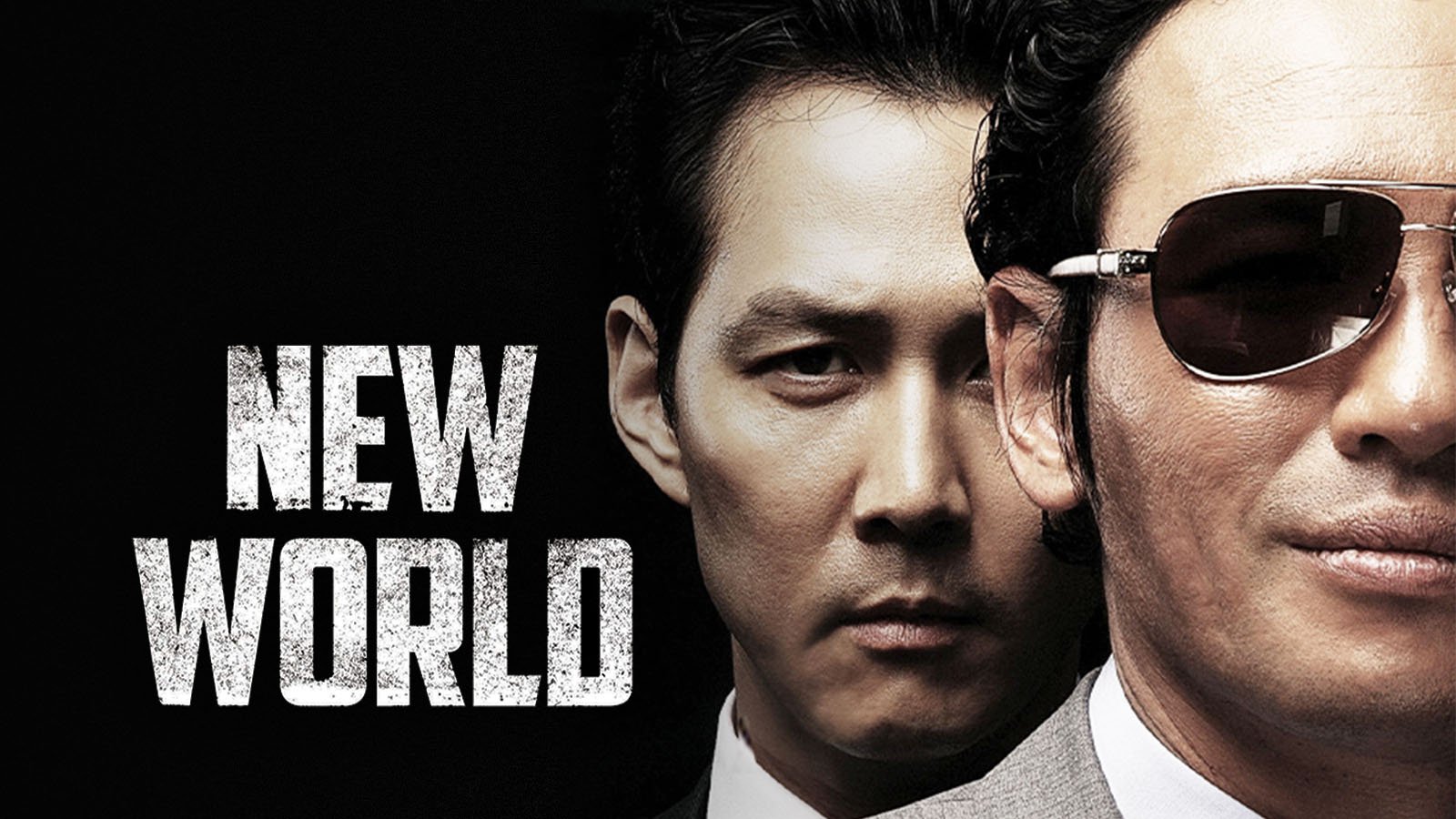
In New World, Lee plays Lee Ja Sung, a police officer embedded in a powerful criminal organization. His assignment is to follow orders and maintain his cover. But years spent inside the organization have made that mission anything but straightforward. His bond with Jung Chung, who treats him like a brother, places him between his obligations as a police officer and the loyalty he has developed within the syndicate.
What makes Ja Sung so absorbing is how little he gives away. His expression remains composed, even as he struggles with whom to trust and where he belongs. If Gi Hun wears his fear and uncertainty on his face, Ja Sung tries to keep both hidden. His silence feels less like indifference than the vigilance of a man who cannot afford to relax on either side.
Watching someone who initially follows orders begin to weigh personal loyalty is central to Ja Sung’s appeal. But loyalty here is not synonymous with goodness or justice. It becomes a question of whom to believe. Should he trust the institution that demands his service, or the man who treats him as family? His decisions carry the weight of both attachment and survival.
Lee conveys that conflict through restraint rather than grand displays of emotion. We become attentive not only to what Ja Sung says, but to what he leaves unsaid. With Gi Hun, we wonder whether he can survive the situation. With Ja Sung, we wonder which side he will ultimately choose.
Deliver Us from Evil: A Presence That Changes the Room
“I’ll kill everyone linked to you.”

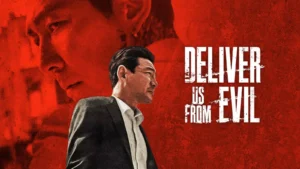
In Deliver Us from Evil, Lee plays Ray, a killer who relentlessly pursues In Nam in the name of revenge. With little explanation required, he establishes himself as a threat and launches into a brutal chase opposite Hwang Jung Min.
Ray’s impact comes less from understanding his inner life than from fearing what he might do next. Where Ja Sung creates tension by holding himself back, Ray creates it by refusing to stop. Ja Sung questions whom he can trust. Ray remains fixed on the person he is pursuing. That certainty gives his scenes an entirely different charge.
The reunion between Lee and Hwang makes this an especially rewarding companion watch to New World. In that film, their relationship is shaped by brotherhood, loyalty, and divided allegiances. Here, pursuit and confrontation take over. The same two actors generate a completely different rhythm, showing how much screen chemistry depends on the relationship being played.
For viewers accustomed to Gi Hun’s awkwardness, Ray may be the most startling transformation in this lineup. Gi Hun shows us the fear of a person facing danger. Ray becomes the danger everyone else fears. One invites our concern. The other makes us want to keep our distance.
Assassination: The Face Behind the Betrayal
I didn’t know… I didn’t know I would be liberated! If I had known, would I have done it?
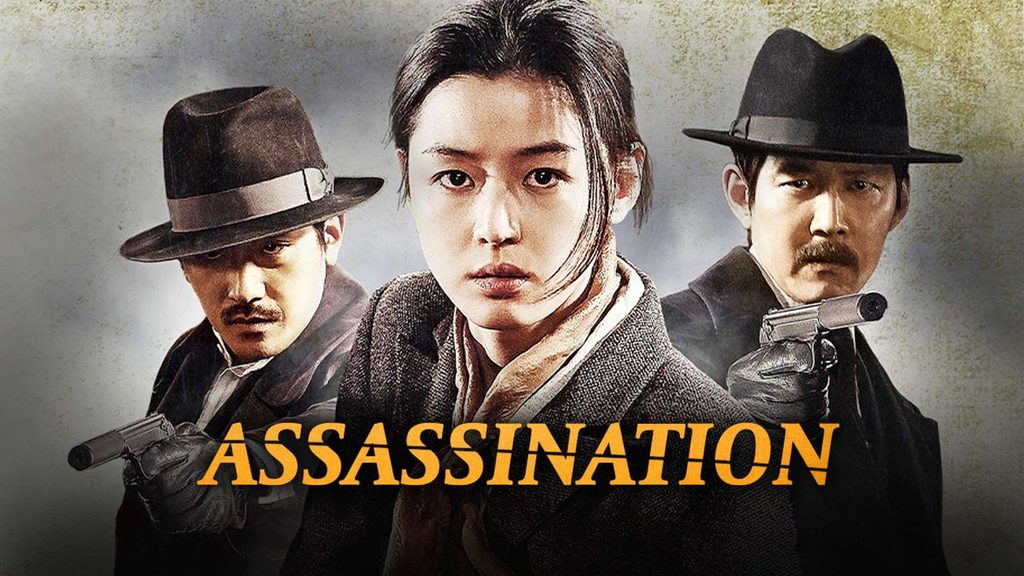
In Assassination, Lee plays Yeom Seok Jin, an independence fighter who becomes a traitor. The role follows a man who abandons his principles to survive, with Lee portraying him across several decades, from youth to old age. The actor has acknowledged feeling daunted by the breadth of the character when he first read the screenplay.
Unlike Ray, Yeom is not threatening only because of overt violence. His power lies in occupying a position of trust while concealing a different agenda. Lee places a reassuring public face and a betrayer’s private motives within the same character. We learn to examine his words and actions rather than accept them at face value.
Ja Sung and Yeom both confront questions of allegiance and survival, but they draw very different responses from the audience. Ja Sung’s relationships make his conflict painful to watch. Yeom’s choices expose a willingness to sacrifice others for his own protection and then conceal what he has done. With one, we want to understand. With the other, we begin to doubt.
Lee did not approach Yeom merely as someone who needed to look wicked. In an interview, he described disliking the character while also seeing him as another face of the society depicted in the film. The unsettling idea is that a person responsible for terrible acts may still believe he has reasons for committing them.
Where Gi Hun struggles to hide his failures and humiliation, Yeom tries to bury and justify his past. Watching the two performances together reveals how differently Lee can cultivate sympathy and distrust.
The Thieves: One Team, Competing Agendas
“the leader of the Korean team”
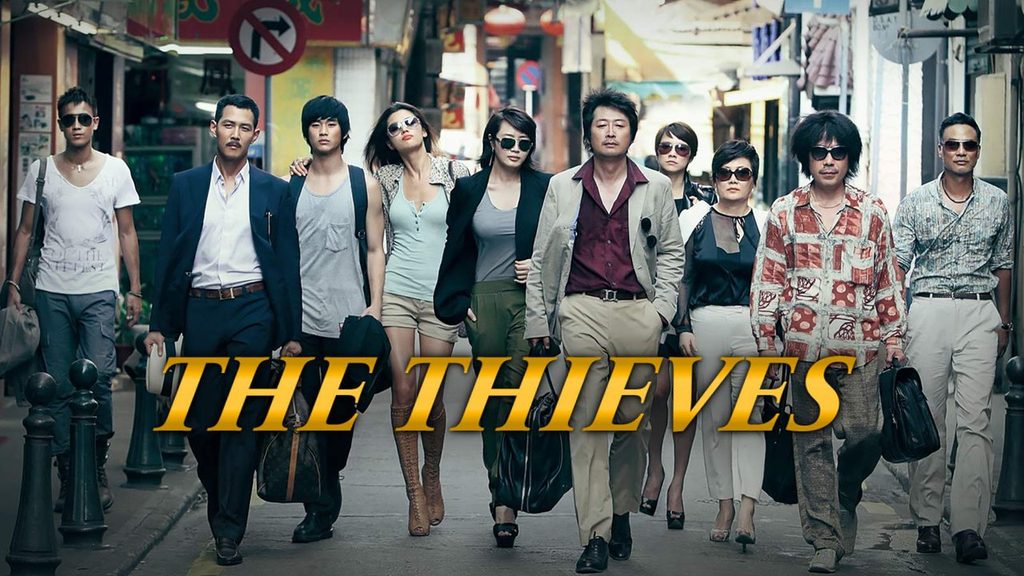
In The Thieves, Lee plays Popeye, the leader of a Korean crew of thieves and a specialist in wire work. He is skilled, but leadership does not make him trustworthy. His willingness to use people and circumstances for his own ends adds an unpleasant edge to his charisma.
Popeye is entertaining because swagger and insecurity coexist. Rather than a commanding figure who keeps everyone firmly in line, he often seems like someone eager to prove that he is in charge. Small cracks appear in his confidence. Beneath the leader’s façade, he is calculating how to tilt the situation in his favor and keep his rivals in check.
The film offers a lighter ride than New World or Assassination, but Popeye is no easier to trust. Much of the fun comes from watching the thieves deceive, challenge, and outmaneuver one another. His next move becomes another piece of the puzzle. Instead of the brooding silence of New World or the weight of betrayal in Assassination, Lee’s presence emerges through the ensemble’s shifting power struggles.
Lee has said that sharing the film with a large cast allowed him to relax rather than feel responsible for carrying the entire production. Popeye’s appeal likewise does not depend on dominating every scene. His vanity and underhandedness become more vivid as he collides with the other thieves.
Of these four characters, Popeye also shares an unexpected quality with Gi Hun. Neither is particularly flawless or composed. Their conduct and moral positions are different, but both have visible weaknesses. In one performance, Lee turns inadequacy into empathy. In the other, he finds entertainment in the cracks beneath the swagger.
One Actor, Four Different Kinds of Charisma
All four characters make a strong impression, but they do so for different reasons. Popeye combines bluster with calculation. Ja Sung carries silence and inner conflict. Yeom hides betrayal behind a credible public face. Ray overwhelms through menace and relentless pursuit. Treating them simply as versions of a charismatic Lee Jung Jae would overlook what distinguishes each performance.
Gi Hun, too, is more than his early awkwardness. At the beginning of Squid Game, he is emotionally exposed and buffeted by circumstances. Later, his experiences leave him more serious and hardened. Lee has drawn a distinction between the initially optimistic Gi Hun and the man who subsequently acts with a stronger sense of purpose. Even within one role, he finds more than one face.
Rather than replacing Lee’s earlier screen image, Squid Game expands it. An actor who could create tension by concealing a character’s motives instead draws us in through someone who cannot easily hide his vulnerability. His interest in playing an ordinary person becomes part of what makes that shift so effective.
If Gi Hun won you over, start with the divided loyalties of Ja Sung in New World. For two sharply contrasting villains, pair Yeom in Assassination with Ray in Deliver Us from Evil. And for charisma with a generous helping of vanity and deception, make room for Popeye in The Thieves.
Together, these four picks make a persuasive case for looking beyond Player 456. Gi Hun’s awkward humanity is not the whole of Lee Jung Jae’s screen persona. It is one compelling face among many.
Explore New World, Deliver Us from Evil, Assassination, and The Thieves on Amasian TV.