

How Asian Content Goes Global
How Asian Content Goes Global: Key Strategies and Market Impact of Asian Media Distribution
The globalization of Asian content is a pivotal phenomenon in the modern media landscape, primarily driven by innovative strategies in content distribution and audience engagement. As Asian media gains traction worldwide, understanding the strategies and channels that facilitate this expansion becomes essential. Readers will learn about the various international distribution channels, the influence of cultural trends like the Korean Wave, and the effective export strategies employed by Asian media companies. The challenges faced in navigating legal frameworks and the impact of localization will also be explored. This article outlines the main distribution channels, emerging markets for Asian media, and strategies that are reshaping the international content landscape.
What Are the Main International Distribution Channels for Asian Media?
Asian media employs diverse distribution channels to reach global audiences. These channels are essential for ensuring that content is accessible and appealing in various cultural contexts. The rise of digital platforms has transformed traditional methods, creating opportunities for both established studios and independent creators to share their work globally.
How Do Global Streaming Platforms Expand Access to Asian Content?
Global streaming platforms, such as Netflix and Amazon Prime Video, have revolutionized access to Asian content by offering a vast library of films and television shows tailored to international audiences. These platforms leverage sophisticated algorithms to recommend content based on viewing preferences, ensuring that diverse Asian media reaches interested viewers. Their partnerships with local producers also facilitate the production of original Asian content, further expanding access and ensuring cultural nuances are appropriately represented.
What Role Do Local Distributors Play in Asian Content Export?
Local distributors play a crucial role in the success of exporting Asian media. Their understanding of regional markets enables them to navigate cultural sensitivities and consumer preferences effectively. By tailoring marketing strategies and distribution practices, local distributors help Asian media resonate with audiences, increasing the likelihood of successful international rollouts. Collaborations with producers boost not only visibility but also ensure that the content aligns with local tastes and trends.
How Does the Korean Wave Influence the Global Demand for Asian Entertainment?

The Korean Wave, or Hallyu, significantly influences the global appetite for Asian entertainment, drawing in fans and creating a robust market for related content. This cultural phenomenon has set trends that ripple across borders, illustrating how one nation’s entertainment can broadly affect global consumption patterns.
What Cultural Factors Drive the Popularity of Korean Dramas Internationally?
Korean dramas often excel due to their heartfelt storytelling, production quality, and relatable themes that resonate with diverse audiences. Cultural elements such as romance, family dynamics, and interpersonal relationships are explored, tapping into universal emotions. Additionally, the adept use of social media amplifies engagement, allowing fans to connect directly with content creators and fellow viewers, further enhancing the popularity of Korean dramas.
How Do Streaming Services Leverage the Korean Wave for Market Growth?
Streaming services strategically capitalize on the momentum of the Korean Wave to enhance their market presence. By acquiring popular Korean dramas and investing in original series, these platforms attract subscribers looking for trendy, high-quality content. Successful series like “Crash Landing on You” and “Squid Game” demonstrate how cultural phenomena can propel viewership dramatically. This trend not only benefits the streaming platforms but also amplifies the export potential of Asian media.
What Export Strategies Are Effective for Asian Film and TV Content?

Export strategies for Asian film and TV content often rely on well-crafted licensing agreements, targeted marketing, and cultural adaptation. These elements are fundamental in navigating the diverse international landscape, ensuring the content’s success beyond its origin.
How Are Licensing and Rights Management Used to Facilitate Export?
Licensing and rights management are integral to the export of Asian media, providing frameworks that protect intellectual property while allowing content distribution across borders. Different licensing models, such as platform-specific deals or broader syndication agreements, dictate how content is shared and monetized. Effective negotiation tactics maximize revenue, while legal compliance ensures long-term sustainability in international markets.
What Is the Impact of Localization and Cultural Adaptation on Export Success?
Localization and cultural adaptation significantly enhance the export potential of Asian content by making it more relatable to target audiences. This process includes not only dubbing and subtitling but also adapting cultural references and storylines to align with local values and norms. Successful localization can lead to increased viewer engagement and stronger emotional connections, resulting in greater success in foreign markets.
Which Emerging Markets Are Adopting Asian Media Widely?
Several emerging markets are increasingly consuming Asian content, driven by changing demographics and growing access to streaming services. These trends suggest a promising future for Asian media as it expands beyond traditional boundaries.
How Is Asian Content Growing in Africa and Latin America?
The growth of Asian content in Africa and Latin America is notable, with rising viewership numbers and a growing appetite for diverse entertainment options. Streaming services are crucial in introducing Asian media to these markets, promoting cultural exchanges and enhancing cross-border relationships. Local collaborations are beginning to flourish, leading to hybrid projects that blend Asian narratives with regional themes, appealing to local audiences.
What Opportunities Exist in Southeast Asia for Content Globalization?
Southeast Asia boasts significant opportunities for the globalization of Asian content due to its rich cultural diversity and increasing internet penetration. Regional partnerships among content producers facilitate the sharing and co-creation of media content that resonates across borders. Engaging with local influencers and utilizing social media effectively can further amplify successful content, increasing its global footprint.
What Are the Current Legal and Regulatory Challenges in Asian Content Export?
Navigating the legal landscape of international content export poses various challenges for Asian media companies. Compliance with differing copyright laws and licensing agreements can complicate distribution efforts.
How Do Copyright and Licensing Laws Affect International Distribution?
Copyright and licensing laws significantly influence how Asian media is distributed internationally. Each country has different regulations regarding intellectual property, affecting how content can be marketed and shared. Adherence to these laws is essential for legal compliance and for protecting the interests of creators and distributors alike, making it imperative for companies to stay informed about international regulations.
What Compliance Issues Should Asian Media Companies Prepare For?
Asian media companies must prepare for an array of compliance issues, including data protection regulations and industry-specific requirements that may vary widely from country to country. Understanding these regulations is vital for operating successfully and sustaining growth in international markets. Best practices for compliance can mitigate risks, ensuring that companies remain proactive rather than reactive in addressing regulatory challenges.
How Can Case Studies of the Korean Wave Inform Broader Asian Content Globalization?
Examining the successes of the Korean Wave can provide valuable lessons for enhancing the globalization of other Asian media content. The strategies employed can serve as a blueprint for other countries looking to expand their reach.
What Lessons Do Successful Korean Dramas Offer for Other Asian Media?
Successful Korean dramas illustrate the importance of high production values, engaging storytelling, and effective marketing strategies. Other Asian media can benefit from adopting similar approaches, focusing on quality content that emphasizes cultural uniqueness while appealing to global audiences. Engaging with fans through social media can also enhance viewer loyalty and investment in new productions.
How Are Media Companies like CJ ENM Shaping International Markets?
Media companies like CJ ENM are pivotal in shaping international markets through innovative content strategies and collaborations. By investing in diverse genres and leveraging the power of digital platforms for global distribution, these companies are redefining how Asian content is perceived and consumed worldwide. Their strategic approach highlights the potential for significant growth and influence in the international media landscape.

Live Channels and Broadcasts for Asian Content
Asian Live TV Streaming: How to Access and Enjoy Live Channels and Broadcasts for Asian Content
Asian live TV streaming opens the door to a rich variety of cultures, traditions, and languages from across Asia. This comprehensive guide explores reliable methods to access live channels and broadcasts, helping viewers connect with their heritage or discover diverse Asian narratives. Whether your interest lies in Japan, South Korea, China, or other Asian nations, familiarizing yourself with leading platforms, broadcast technologies, and user-centric features can substantially enhance your streaming experience. The growing global demand for Asian content has spurred the development of numerous robust services offering tailored viewing options with high quality and reliability.
Viewers often encounter challenges such as geographic content restrictions, subscription management issues, and technical hurdles associated with streaming. This article systematically outlines both free and premium solutions, details the underlying broadcast technologies, and offers practical troubleshooting advice to ensure uninterrupted viewing. Included are informed reviews of top apps, systematic channel categorizations by language and region, and evidence-based strategies to optimize streaming quality. For a centralized and authoritative access point encompassing a vast selection of Asian live TV channels, consider amasian.tv, which curates an extensive and verified hub for Asian television content.
Which are the Best Asian Live TV Apps for Streaming Channels Online?
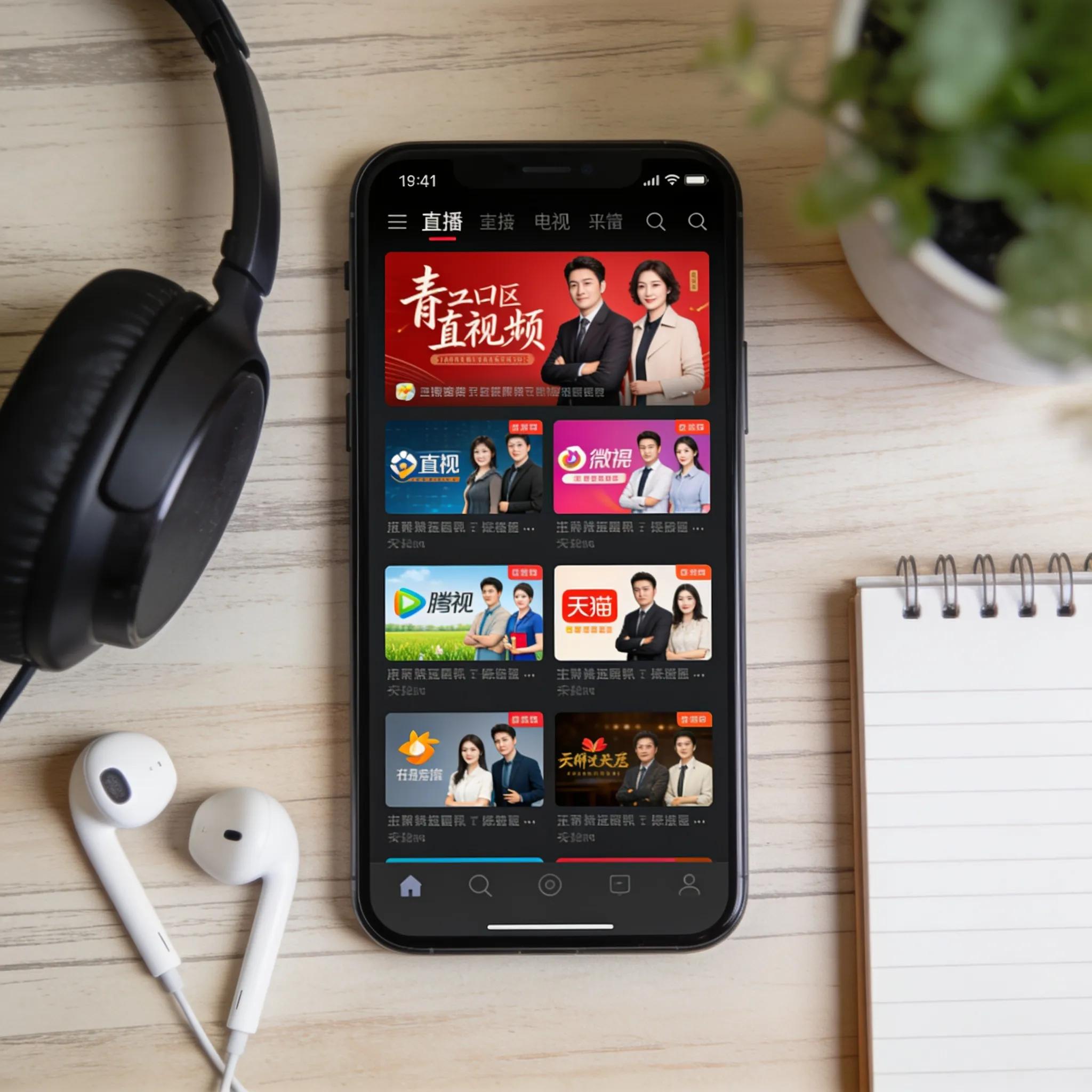
For high-quality access to diverse Asian programming, several key applications have established themselves as industry leaders, including iQIYI, Viki, and KOCOWA. These platforms are recognized for their multi-device support, consistent HD streaming quality, regular content updates, and extensive media libraries. When selecting an app, it is critical to evaluate country-specific content depth, the availability of multilingual subtitles and dubbing, as well as user interface intuitiveness, to tailor your streaming experience effectively.
Key Features of Leading Asian Live TV Apps
Top-tier streaming applications incorporate advanced functionalities designed to significantly enhance user experience. These include intuitive user interfaces optimized for accessibility, adaptive bitrate streaming that maintains playback stability across varied network conditions, DVR capabilities, catch-up TV features allowing users to view missed broadcasts, and seamless synchronization across multiple devices. These sophisticated features address common technical and usability concerns, positioning such apps at the forefront of the Chinese and broader Asian live TV markets, which continue to evolve based on user behavior analytics and feedback.
Top Asian Live TV Channels and Their Categorization
Leading global broadcasters such as NHK World (Japan), KBS World (South Korea), and CCTV (China) serve as primary sources for authentic and accessible Asian content. Channels are meticulously categorized by country and language to nurture national identity, support diaspora communities, and cater to diverse viewer preferences. The programming spectrum encompasses a broad array of genres, including acclaimed dramas, variety shows, anime, news broadcasts, and documentaries, providing viewers with targeted content aligned with their cultural and entertainment interests.
Accessing Free vs. Paid Asian TV Streaming Services
Free streaming options typically include well-curated YouTube channels, broadcaster-specific apps offering limited free content, and public domain archives that provide legal access to historical materials. Conversely, premium services, often priced between $5 and $15 per month, deliver comprehensive channel lineups, superior streaming quality, and additional features such as ad-free viewing and offline downloads. Many platforms offer bundled packages and free trial periods to facilitate service evaluation, enabling users to choose based on content preferences and budget considerations.
Broadcast Technologies Supporting Asian Live TV

Asian live TV content delivery leverages a range of sophisticated broadcast technologies. Over-the-Top (OTT) platforms distribute content directly over the internet without traditional broadcast infrastructure dependency, utilizing Content Delivery Networks (CDNs) to ensure scalability and low latency streaming. Internet Protocol Television (IPTV) services deliver live and on-demand content via managed broadband IP networks, offering high reliability and interactivity. Complementing these, satellite TV technology extends coverage to rural and remote areas, provides broadcast redundancy, ensures stable signal transmission, and distributes feeds efficiently to OTT and IPTV platforms, forming an integrated broadcast ecosystem.
Emerging Trends and Innovations in Asian Live TV
The Asian live TV sector is at the forefront of adopting cutting-edge innovations such as 8K ultra-high-definition streaming, which dramatically enriches picture clarity for immersive viewing experiences. Low-latency streaming technologies are revolutionizing live sports broadcasting and real-time interactive programming. Moreover, advances in artificial intelligence empower accurate multilingual subtitling, dubbing automation, and inclusion of regional dialects, thereby enhancing accessibility and fostering stronger community connections across diverse linguistic groups, which in turn expands market reach and viewer engagement.
Troubleshooting Common Streaming Issues
To mitigate common streaming challenges like buffering and degraded video quality, users should systematically verify network bandwidth and stability, adjust streaming resolution settings as per connectivity, clear application cache to remove corrupted data, update software to the latest versions to patch bugs, and minimize concurrent network-heavy activities. Ensuring device compatibility with streaming platforms, maintaining active and valid subscriptions, and comprehension of regional content licensing restrictions are integral to seamless Asian live TV consumption.

Shounen and Seinen Anime Guides: Themes and Recommendations
Complete Guide to Shounen and Seinen Anime: Themes, Differences, and Top Recommendations
Anime has become a global phenomenon, captivating audiences through its diverse storytelling techniques, cultural depth, and distinctive visual styles. Among the many genres, shounen and seinen anime occupy pivotal roles within the industry, distinguished by their targeted demographics and thematic complexity. While shounen anime traditionally captivates younger male audiences with energetic action sequences and coming-of-age narratives, seinen anime appeals to adult viewers by delving into mature, psychologically nuanced, and socially relevant stories.
This comprehensive guide draws upon expert analysis and industry insights to explore the defining characteristics of shounen and seinen anime. It presents a detailed comparison of their thematic frameworks, narrative structures, and cultural impacts. Additionally, the article includes curated recommendations tailored to diverse viewer profiles, aiding both newcomers and seasoned fans in selecting series that align with their preferences.
What Defines Shounen Anime? Key Themes and Characteristics Explained
Shounen anime is primarily characterized by its emphasis on dynamic action, adventure, and the challenges inherent in youth, incorporating themes such as friendship, perseverance, and self-improvement. Its narratives typically follow protagonists on transformative journeys marked by escalating trials and growth. Esteemed series like “Naruto” and “One Piece” epitomize the genre, illustrating how determination and camaraderie underpin heroic feats and character development.
Which Coming-of-Age and Action Themes Are Common in Shounen Anime?

Typical themes in shounen anime encompass the journey from adolescence to adulthood, exploring self-discovery and moral fortitude. The protagonists often confront and surmount formidable obstacles, which contribute to their personal and ethical maturation. Action-packed plots, including richly choreographed battles and quests, engage audiences and enhance narrative momentum. For instance, “Demon Slayer” integrates visceral action with profound explorations of familial loyalty and sacrifice, providing emotional resonance alongside visual spectacle.
Who Are Iconic Characters and Popular Series in Shounen Anime?
Iconic shounen characters often embody virtues such as courage, loyalty, and resilience. Figures like Goku from “Dragon Ball” and Luffy from “One Piece” serve as seminal examples, becoming cultural touchstones emblematic of heroism and indomitable spirit. Contemporary series such as “Attack on Titan” and “My Hero Academia” exemplify progressive character development and thematic expansion, addressing complex societal issues while maintaining traditional shounen appeal.
What Are the Main Themes and Features of Seinen Anime? A Clear Guide
Seinen anime is distinguished by its sophisticated narratives and exploration of mature themes that resonate with adult audiences. These series frequently engage with complex psychological profiles, moral ambiguity, existential questions, and nuanced social commentary. Through layered storytelling and often provocative content, seinen anime invites critical reflection and intellectual engagement, distinguishing it from the more straightforward narratives typical of shounen.
How Do Psychological and Mature Themes Shape Seinen Anime Narratives?

Mature seinen narratives investigate nuanced character psychologies, ethical quandaries, and societal dysfunctions. Exemplary works like “Berserk” and “Death Note” demonstrate how darker thematic elements propel storylines and deepen character arcs, challenging audiences to grapple with grim realities and philosophical dilemmas. This genre’s sophistication enriches the viewing experience by intertwining psychological depth with compelling, often unpredictable plot developments.
Which Popular Seinen Series Should Beginners Watch First?
For viewers new to seinen anime, accessible yet critically acclaimed series such as “Steins;Gate,” “Cowboy Bebop,” and “Your Lie in April” exemplify the genre’s range and emotional resonance. These selections provide engaging narratives with complex characters, making them ideal entry points to the genre’s multifaceted storytelling and themes.
How Do Shounen and Seinen Anime Differ? A Comparative Analysis of Themes and Audience
A nuanced understanding of shounen and seinen anime rests on recognizing their distinct demographic targets and thematic orientations. Shounen anime embodies youthful optimism and straightforward moral narratives, whereas seinen anime mirrors adult experiences through introspective, often ambiguous storytelling. This dichotomy elucidates the genres’ divergent narrative strategies and audience engagements.
What Are the Demographic Differences Between Shounen and Seinen Anime?
Shounen anime classically targets male viewers aged approximately 10 to 18 years, emphasizing aspirational growth and collective struggle. Conversely, seinen anime appeals to adult males, incorporating themes that address psychological complexity, societal critique, and mature content. These demographic focuses shape artistic decisions regarding narrative depth, character complexity, and thematic substance.
Shonen vs. Seinen Manga: Target Demographics and Evolving Themes
Manga, a Japanese form of visual storytelling comparable to comic books and graphic novels, has seen a significant surge in international popularity throughout the 21st century. In Japan, manga is serialized in magazines targeting specific audiences, notably shōnen (young men) and seinen (adult men). Scholarly analyses reveal a convergence in themes and adult content within both demographics, indicating evolving narrative boundaries within the medium.
Source: Maturing Manga: An Analysis of Adult Themes in Shōnen Manga, 2023
This research highlights the foundational demographic distinctions and their influence on thematic content, while also acknowledging emerging overlaps that reflect the maturation of manga audiences and storytelling.
Are There Anime That Blend Shounen and Seinen Themes? Exploring Genre Crossovers
Several anime successfully integrate shounen and seinen elements, crafting rich, multifaceted narratives that transcend traditional genre boundaries. Series such as “Attack on Titan” and “Fullmetal Alchemist” combine shounen staples like adventure and friendship with the mature, somber themes of loss, sacrifice, and societal decay. These hybrid works appeal to a wider audience spectrum and exemplify the fluidity and innovation present in contemporary anime production.
Which Are the Best Shounen Anime Series to Watch in 2024-2026? Updated Recommendations
With the anime industry continuously innovating, several new and classic shounen series maintain relevance by blending enduring themes with modern storytelling approaches. Below are authoritative recommendations for shounen anime attracting critical acclaim and audience enthusiasm:
What Are Top-Rated Classic and Recent Shounen Anime Titles?
Esteemed classics like “Naruto” remain influential, alongside contemporary successes such as “My Hero Academia” and “Demon Slayer.” These titles exemplify the genre’s evolution, merging traditional heroism and character growth with advanced animation techniques and complex narrative structures, thereby sustaining and expanding their cultural footprint into the mid-2020s.
How Do Theme and Genre Influence Shounen Anime Popularity?
Themes of camaraderie, perseverance, and self-improvement underpin the widespread appeal of shounen anime. The synergy between fast-paced action and meaningful emotional arcs attracts a diverse viewership, including both younger audiences and adults nostalgic for formative anime experiences. Titles excelling in balancing these elements consistently achieve higher ratings and sustained fan engagement.
What Should Beginners Know About Seinen Anime Before Watching? A Starter’s Guide
Beginning a journey into seinen anime entails preparing for complex narratives that often challenge conventional storytelling. Awareness of the genre’s hallmark mature themes is crucial for a rewarding viewing experience.
How to Identify Mature Themes and Complex Storylines in Seinen Anime
Seinen anime typically features layered storytelling that addresses ethical ambiguity, psychological depth, and societal critique. Viewers should anticipate intricate plots that promote critical thinking, emotional engagement, and philosophical reflection, distinguishing these series from more straightforward adventure or action genres.
What Are Recommended Entry-Level Seinen Anime Series for New Fans?
For those unfamiliar with seinen, titles such as “The Promised Neverland,” “Psycho-Pass,” and “Paranoia Agent” provide accessible yet thought-provoking introductions. These series effectively encapsulate the genre’s core attributes while remaining approachable for new viewers, making them suitable starting points for deeper exploration.
What Are Recent Trends and Future Directions in Shounen and Seinen Anime?
The evolving landscape of anime reflects shifting audience demographics, technological advancements, and global market expansions. Both shounen and seinen genres exhibit dynamic trends that signal their trajectories into the future.
How Is Mature-Themed Anime Growing Globally in the Seinen Category?
Seinen anime’s global footprint is expanding rapidly, driven by growing international interest in sophisticated narratives that transcend cultural boundaries. This demand has spurred the production of more psychologically intricate and socially conscious works, broadening the genre’s thematic range and attracting diverse, global audiences.
What New Themes and Series Are Emerging in Shounen Anime?
Emerging shounen anime increasingly blends traditional fantasy and action elements with psychological complexity and genre hybridization. Anticipated upcoming series are expected to further innovate by addressing contemporary social issues and deepening character introspection, thereby enriching audience engagement while maintaining the genre’s vibrant energy.
In sum, shounen and seinen anime offer complementary yet distinct experiences, reflecting their targeted demographics and cultural roles within the broader anime ecosystem. Understanding their thematic and narrative nuances enhances appreciation and fosters informed viewing choices, enriching the anime journey for fans worldwide.

Streaming Platforms: Market Shifts and Competition
Streaming Platforms Market Shifts and Competition: Comprehensive Growth and Trend Analysis
The streaming services market has undergone significant transformation in recent years, with advances in technology and changes in consumer behavior shaping the competitive landscape. This article delves into the current growth trends, key players, and the impact of emerging technologies on the sector. Readers can expect to gain insights into subscription growth metrics, popular ad-supported models, and competitive dynamics among major platforms such as Netflix, Disney+, and Amazon Prime Video. Through this analysis, we will highlight how consumer preferences and technological advancements are influencing streaming strategies today, while also exploring potential challenges and opportunities that lie ahead.
What Are the Current Growth Trends in Streaming Services?
The streaming market has been experiencing rapid growth due to rising demand for video content, shifting viewer preferences, and increased internet penetration. With the number of subscription services growing worldwide, the dynamic landscape of content consumption is evolving. One of the most significant trends is the ascendance of ad-supported streaming models, which has emerged as viable alternatives to traditional subscription-based services, attracting a diverse audience base.
How Has Subscription Streaming Growth Evolved Globally?
According to recent industry reports, global subscription streaming services have expanded exponentially. A striking year-over-year growth rate of approximately 28% was noted, with user engagement stemming from the COVID-19 pandemic serving as a catalyst for this trend. As people sought alternative entertainment options while confined at home, subscription-based platforms significantly benefited. This shift illustrates how closely market dynamics are tied to behavioral patterns in consumer media consumption.
What Are the Emerging Ad-Supported Streaming Models?
Ad-supported streaming models are gaining traction in the competitive landscape. These platforms allow users to access content for free or at a reduced subscription cost, funded by advertising revenue. Notable services, such as Hulu and Peacock, have successfully adopted this strategy, drawing in viewers who might be reluctant to pay for traditional subscriptions. User acceptance levels of ad-supported frameworks are observed to be effectively rising, demonstrating a significant shift in how audiences prioritize cost versus ad exposure.
This dynamic preference for ad-supported models is further explored in a relevant study.
Consumer Perception of Ad-Supported vs. Ad-Free OTT Models
ABSTRACT: AbstractOTT platforms provide individualized, on-demand content, they have revolutionized the media and entertainment sector. Two main monetization methods have evolved as a result of the proliferation of these platforms: ad-supported (free or reduced in cost with commercials) and ad-free (subscription-based). By examining preferences, patterns of behavior, and the variables driving decision-making, this study investigates how consumers view these models. Understanding how demographics, content quality, and price sensitivity affect consumer purchases is made easier with a mixed-method approach that includes surveys and secondary research. For OTT providers planning their pricing, advertising, and content distribution strategies, the report offers insightful information.1. OTT platforms provide individualized, on-demand content, they have revolutionized the media and entertainment sector. Two main monetization methods have evolved as a result of the proliferation of these platforms: ad-supported (free or reduced in cost with commercials) and ad-free (subscription-based). By examining preferences, patterns of behavior, and the variables driving decision-making, this study investigates how consumers view these models. Understanding how demographics, content quality, and price sensitivity affect consumer purchases is made easier with a mixed-method approach that includes surveys and secondary research. For OTT providers planning their pricing, advertising, and content distribution strategies, the report offers insightful information. An Analysis Study on Consumer Perception of Ad-Supported vs.
Ad-Fee OTT Models, S Saxena, 2023
Which Platforms Lead the Competition in the OTT Market?

In the ever-evolving over-the-top (OTT) market, a few key players dominate the competition. Understanding the competitive positioning and strategies of these platforms can provide insight into future market trends. Notably, giants like Netflix, Disney+, and Amazon Prime Video continue to lead in subscriber numbers and content offerings. The competitive landscape is ever-changing, influenced by original content development as well as customer engagement strategies.
What Market Shares Do Netflix, Disney Plus, and Amazon Prime Video Hold?
The current market shares in the OTT sector reveal a clear hierarchy among leading platforms. Netflix retains a significant portion, with estimates indicating its share at around 27%. In contrast, Disney+ has quickly grown to capture approximately 13% of the market, propelled by its extensive content library, while Amazon Prime Video occupies about 20%. Understanding these metrics is critical for appreciating the competitive advantages held by each service and how they curate their content offerings to attract new subscribers.
How Are Mergers and Platform Consolidations Reshaping Competition?
Recent mergers in the streaming industry are fundamentally reshaping competition. For example, the merger between Discovery and WarnerMedia has resulted in a substantial combined content offering that can compete directly with other industry leaders. Analyzing case studies of such mergers illustrates the impacts on content offerings, audience engagement strategies, and pricing models as services seek to consolidate their standings in an increasingly crowded marketplace. The potential for growth through consolidation seems promising as brands aim to leverage shared resources and expertise.
What Technologies Drive Changes in Streaming Platform Delivery and Experience?
As the streaming industry evolves, advancements in technology play a crucial role in enhancing the user experience and content delivery mechanisms. Innovations such as adaptive streaming technology and robust content delivery networks (CDNs) are instrumental in maintaining high-quality viewing experiences, particularly as consumer demand for seamless content escalates.
How Do Adaptive Streaming and Content Delivery Networks Enhance Viewing?
Adaptive streaming technology adjusts the quality of a video stream in real time based on the user’s bandwidth and device capabilities. This ensures optimal viewing experiences across various devices and connectivity conditions. Coupled with advanced CDNs, which distribute content efficiently across servers globally, users can enjoy seamless playback without interruptions. The transition to adaptive streaming has profoundly impacted user satisfaction metrics, contributing to higher retention rates as the quality of service continues to improve.
What Role Do AI Recommendation Engines and DRM Play?
AI recommendation engines significantly influence user engagement by curating personalized content suggestions tailored to individual viewer preferences. These engines analyze user behavior and feedback to optimize recommendations. Additionally, digital rights management (DRM) technologies protect content from piracy, ensuring that revenue from subscriptions and advertising can be safely reinvested into producing high-quality materials. Both AI and DRM serve critical functions in bolstering the streaming experience, promoting user retention while safeguarding content.
Further insights into the role of AI in personalizing content delivery are provided by an academic study.
AI in Personalized Movie Recommendations for Streaming
ABSTRACT: In an era marked by the digital consumption of media, the landscape of movie recommendation is undergoing a profound transformation. Traditional recommendation methods, which rely on collaborative filtering and user reviews, are being supplanted by more sophisticated content-based approaches. The evolution of Artificial Intelligence (AI) has given rise to a new generation of recommendation systems, characterized by their ability to process and analyze vast amounts of content metadata to provide tailored suggestions. This research presents an AI-driven personalized movie recommendation model for streaming and digital entrepreneurship, leveraging data analytics and Natural Language Processing (NLP) techniques to enhance user experience. The model integrates sentiment analysis and cosine similarity to recommend similar movies, offering personalized recommendations across multiple streaming platforms, thus improving user satisfaction, engagement, and content discovery. By ut Ai-driven personalized movie recommendations: A content and sentiment-aware model for streaming and digital entrepreneurship, 2025
How Are Consumer Trends Influencing Streaming Platform Strategies?

Consumer behavior shifts have a profound influence on streaming platforms’ strategies. As viewers express preferences for certain types of content or viewing habits, platforms must adapt quickly to meet these demands. Understanding these trends is crucial for platforms seeking to retain subscribers and attract new audiences.
What Subscription Models Best Match Consumer Preferences Today?
The demand for flexible billing options and diverse subscription plans is on the rise, indicating a growing preference for services that cater to individual viewer needs. For example, platforms offering tiered subscription models that allow users to select plans based on their usage often see higher retention. Such adaptive strategies reflect a keen awareness of consumer preferences, allowing streaming services to compete more effectively within a crowded marketplace.
How Does Regional Market Penetration Affect Platform Growth?
Regional demographics also play a pivotal role in influencing subscriber growth. In many emerging markets, aggressive price strategies paired with local content offerings have led to increased subscriptions. Statistical analyses underline that platforms that invest in regional programming see substantial subscriber upticks compared to those that do not. The varying market penetration rates across different regions highlight the importance of targeted growth strategies tailored to specific audiences.
What Challenges and Opportunities Define the Future of Streaming Platforms?
While growth prospects for streaming platforms remain robust, several challenges and opportunities will shape the future landscape. As market competition intensifies, identifying barriers to entry and emerging platforms is essential for understanding the evolving market.
What Are the Main Barriers to Entry for New Streaming Services?
New streaming services face numerous challenges when entering the competitive market. High financial costs pose significant barriers, including content acquisition expenses, technological investments, and marketing efforts required to gain visibility. Regulatory hurdles can also impede new entries, especially in areas with stringent broadcasting laws. These barriers necessitate that new services develop innovative strategies to differentiate themselves and establish a foothold in a competitive space.
Which Emerging Platforms and Technologies Are Gaining Momentum?
Emerging platforms and technologies are changing the landscape of streaming services. Services like Paramount+ and Tubi are gaining traction by focusing on niche audiences and offering hybrid models that combine free access with premium content. Additionally, advancements in technology such as 5G networks promise to revolutionize streaming capabilities, making it more accessible and efficient across various demographics. Identifying these trends is vital for established platforms seeking to predict future market movements and adapt their strategies accordingly.