

Chiikawa Is Now Streaming on Amasian TV
Fans of adorable anime have another reason to smile—Chiikawa is now available to stream on Amasian TV!
If you’ve been curious about the series that’s captured hearts across Japan and social media, now is the perfect time to see what all the hype is about.

What Is Chiikawa?
Based on the popular manga by Nagano, Chiikawa follows the everyday adventures of Chiikawa and friends as they navigate a world that’s equal parts cute, funny, and surprisingly emotional.
While each episode is only a few minutes long, the series packs plenty of charm into its short runtime. From wholesome moments of friendship to unexpected encounters with mysterious creatures, Chiikawa balances lighthearted comedy with heartfelt storytelling.
Its lovable cast—including Chiikawa, Hachiware, and Usagi—has helped turn the franchise into a cultural phenomenon, inspiring merchandise, collaborations, and a passionate fanbase around the world.
Why You Should Watch
Whether you’re looking for something relaxing after a long day or simply want a feel-good series you can finish in short bursts, Chiikawa is an easy recommendation.
Here are a few reasons fans love it:
- Short episodes that are perfect for quick viewing sessions.
- Adorable animation filled with expressive characters and colorful visuals.
- Heartwarming friendships mixed with plenty of laughs.
- Unexpected emotional moments that give the series more depth than its cute appearance suggests.

Now Streaming on Amasian TV
You can now stream Chiikawa on Amasian TV and experience one of Japan’s most beloved modern anime franchises.
Whether you’re discovering Chiikawa for the first time or revisiting your favorite moments, now is the perfect opportunity to join the adventure.
Will you be watching Chiikawa on Amasian TV? Let us know who your favorite character is!

Chimac Fest Returns This August: The Ultimate Korean Food & Culture Festival You Won’t Want to Miss
If your perfect weekend includes crispy Korean fried chicken, ice-cold beer, live music, and everything K-culture, then Chimac Fest should already be on your calendar.
Taking place this August, Chimac Fest is bringing together Korean food, music, lifestyle, and entertainment for a three-day celebration inspired by one of Korea’s most beloved food pairings: chimaek—fried chicken (“chi”) and beer (“maekju”). What started as a simple comfort-food combination has become a cultural phenomenon enjoyed across Korea and around the world.
More Than Just Korean Fried Chicken
While the name may suggest it’s all about chicken and beer, Chimac Fest offers much more than that.
Visitors can expect a wide selection of Korean street food, desserts, fusion dishes, and authentic Korean flavors from food vendors throughout the festival. Whether you’re craving spicy fried chicken, tteokbokki, corn dogs, or sweet treats, there will be plenty to explore.
Experience Korean Culture Beyond the Food
Chimac Fest also highlights many aspects of modern Korean culture.
Attendees can browse K-beauty products, participate in interactive experiences, discover Korean lifestyle brands, and enjoy activities inspired by today’s Korean trends. It’s designed to be an event where food lovers, K-pop fans, and anyone interested in Korean culture can spend an entire day exploring.
Live Performances All Weekend
The festival won’t be short on entertainment either.
Throughout the weekend, guests can enjoy live performances spanning multiple genres, including:
- K-pop
- Idol performances
- EDM
- Dance
- Rock
The mix of music helps create an energetic festival atmosphere that continues well into the evening, making Chimac Fest just as much a music festival as it is a food festival.

Why “Chimaek” Is So Popular
The combination of fried chicken and beer has become one of Korea’s most iconic comfort meals, especially during warm summer evenings. Its popularity exploded internationally thanks to Korean dramas, where characters frequently celebrate life’s victories—or recover from heartbreak—with a plate of crispy chicken and a cold beer.
The pairing has become so beloved that Korea even hosts dedicated chimaek festivals, attracting hundreds of thousands of visitors every year.
Planning Your Visit
If you’re looking for a fun summer event with friends or family, Chimac Fest offers a little bit of everything:
- Authentic Korean food
- Korean street food vendors
- Live music and performances
- K-beauty and lifestyle experiences
- Interactive activities
- A vibrant atmosphere celebrating Korean culture
Whether you’re a longtime fan of Korean entertainment or simply looking for an exciting food festival to experience this August, Chimac Fest promises an unforgettable weekend of great food, music, and community.
Date/Time
8/14 (FRI) 4PM-11PM
8/15 (SAT) 12PM-11PM
8/16 (SUN) 12PM-9PM
Address
Great Park Live
8000 Great Park Blvd
Irvine, CA 92618
For tickets, schedules, vendor information, and event updates, visit the official Chimac Fest website:

The Biggest Anime Expo 2026 Announcements: New Anime, Hidden Gems, and Industry Trends
Anime Expo 2026 wasn’t just another convention filled with trailers and release dates—it offered a glimpse into where the anime industry is headed over the next several years.
While blockbuster announcements certainly stole headlines, one of the biggest surprises was how many publishers and studios shifted their focus toward brand-new intellectual properties, niche manga, and global storytelling. After attending panels across the weekend, one message became clear: the future of anime is becoming far more diverse.
Here’s everything that stood out from Anime Expo 2026.
Original Anime Are Taking Center Stage
One of the strongest themes throughout the convention was the industry’s renewed confidence in original projects.
The Aniplex Industry Panel showcased several brand-new animated projects alongside updates for anticipated titles like The Elusive Samurai and Disney Twisted-Wonderland: The Animation. Rather than relying entirely on established franchises, Aniplex spent much of its presentation introducing fresh IPs and new romantic comedy projects that could become the next generation of anime hits.
That approach reflects a larger trend across the industry. Studios are no longer betting exclusively on long-running franchises—they’re investing heavily in creating tomorrow’s blockbuster series.
Solo Leveling Continues Its Meteoric Rise
Among all the major reveals, few generated as much excitement as the announcement of Solo Leveling: Beyond the System.
Instead of serving as a standalone side story, the upcoming theatrical film will continue Sung Jinwoo’s journey following Season 2, making it one of Anime Expo’s biggest announcements. The reveal demonstrated just how quickly Solo Leveling has become one of anime’s largest global franchises.

Publishers Are Betting on Hidden Gems, Not Just Blockbusters
One of the most interesting observations from the publishing panels was the growing emphasis on unique storytelling rather than simply promoting already-popular series.
Several publishers highlighted titles such as:
- Witch Hat Atelier
- A Hundred Scenes of Awa Jiang
- Jaadugar: A Witch in Mongolia
- Kaiju Girl Carameliser
This suggests publishers believe readers are increasingly willing to discover new stories instead of only following mainstream franchises.
Anime News Network editors reinforced that trend during their recommendations panel.
Instead of ranking the most popular manga, editors focused on artistic style, originality, and exceptional storytelling. Recommended series included:
- Akane-banashi
- Marriage Toxin
- Daemons of the Shadow Realm
- Nippon Sangoku
- The World of Darning
It was refreshing to see editorial recommendations centered around quality rather than popularity.
Webtoons Are Becoming Anime’s Next Gold Mine
Perhaps the biggest long-term industry trend wasn’t an anime announcement at all.
Throughout multiple publishing panels, companies discussed how Korean webtoons are rapidly evolving into global multimedia franchises.
Collaborations involving WEBTOON and major publishers—including Penguin Random House’s Ink Pop and Inklore imprints—showed how English-language publishing is becoming a key step in the content pipeline.
The emerging ecosystem now looks something like this:
Webtoon → Books/Manga → Anime → Streaming → Merchandise
Rather than existing as separate industries, they’re becoming interconnected parts of one global IP strategy.
Chinese Animation Is No Longer a Niche
The Bilibili panel may have been one of the weekend’s biggest surprises.
Announcements included:
- Link Click Season 3
- Tomb Raider King
- The Girl Downstairs Season 2
- False Memory
- Shangshan
- Tales of Herding Gods
What stood out most wasn’t just the announcements—it was the audience reaction.
Link Click Season 3 received one of the loudest responses of the convention, rivaling many Japanese anime panels.
It’s becoming increasingly clear that high-quality donghua is competing directly with Japanese animation in international markets.
Nostalgia Still Sells
Even as studios push new franchises, classic anime remains incredibly powerful.
The Big West / Macross panel generated huge excitement through:
- classic screenings
- remastered editions
- anniversary celebrations
- discussions clarifying franchise canon
Similarly, AnimEigo announced additional restorations and North American releases for older titles, including Vampire Princess Miyu, Alien Nine, Sakon the Ventriloquist, and more classic catalog releases.
The audience response proved that nostalgia remains one of anime’s strongest marketing tools.

Huge Franchise Updates Dominated the Weekend
Beyond industry trends, Anime Expo delivered major announcements for many of anime’s biggest franchises.
Highlights included:
- Cyberpunk: Edgerunners 2
- The Apothecary Diaries theatrical film
- Ghost in the Shell
- BLEACH: Thousand-Year Blood War Part 4
- Black Clover Season 2
- Steel Ball Run
- MASHLE Season 3
These reveals ensured fans of long-running series had plenty to celebrate throughout the convention.
The Biggest Takeaway From Anime Expo 2026
After four days of announcements, panels, and conversations, one lesson stood above everything else:
Everything has its audience.
The publishers generating the most excitement weren’t trying to appeal to everyone.
Instead, they knew exactly who their audience was.
Whether that meant reviving classic anime, promoting niche manga, investing in webtoons, or introducing completely original anime, companies are increasingly focusing on passionate communities rather than chasing mass appeal.
Anime is becoming more diverse than ever.
Instead of one dominant trend, the future looks like a mix of blockbuster franchises, hidden gems, Chinese animation, webtoon adaptations, and original stories—all coexisting and finding their own audiences.
If Anime Expo 2026 showed us anything, it’s that the next big hit probably isn’t the series everyone is already talking about.
It may be the one you haven’t discovered yet.

Japanese Cinema Guide: Anime Films, Live Action, and Classics
Japanese Cinema Guide: Explore Anime Films, Live Action, and Classic Japanese Movies
Japan’s film industry represents a dynamic and culturally rich domain, celebrated globally for its distinctive storytelling and artistic innovation across multiple genres, including anime films, live action, and classic cinema. This guide offers an authoritative overview of the genre-defining anime films, the profound influence of live action works, and the historical movements that have sculpted classic movies from Japan. By examining seminal films, the visionaries behind them, and the best platforms for viewing, we aim to enhance your appreciation and deepen your understanding of Japan’s cinematic heritage and ongoing contributions grounded in well-established analyses and critical scholarship.
What are the Best Anime Films to Watch in Japanese Cinema?
Anime films, a cornerstone of the country’s film tradition, revolutionize visual storytelling by merging emotionally resonant narratives with exceptional artistry. These films not only reflect Japan’s cultural identity but also engage global audiences with their innovative animation and profound thematic depth. Below, we highlight landmark anime films that exemplify these qualities and have garnered international acclaim, supported by notable industry recognition and comprehensive critical studies.
Which Studio Ghibli movies define classic anime cinema?
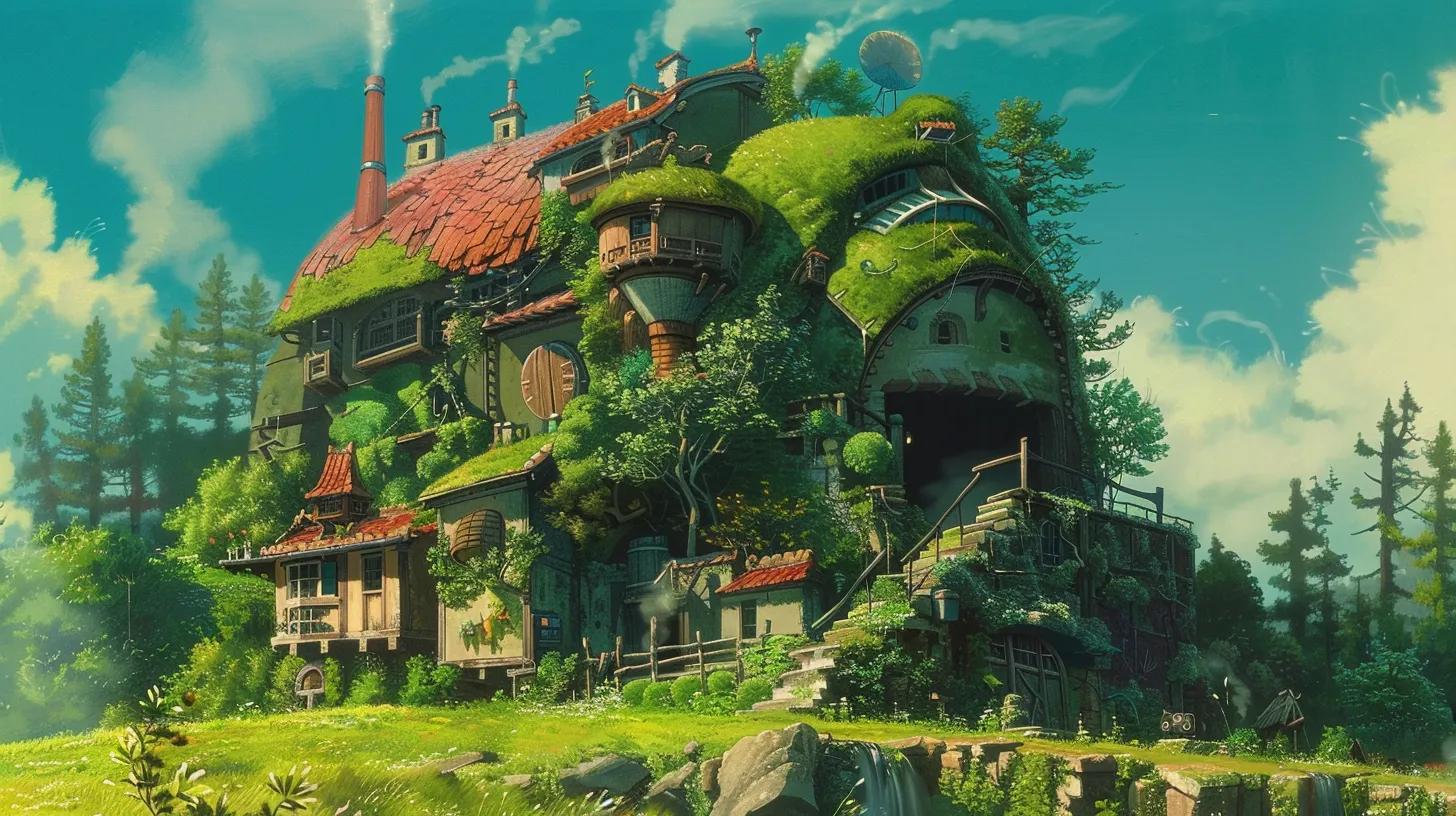
Studio Ghibli stands as a monumental force in anime, revered for its masterful fusion of hand-drawn animation and storytelling layered with profound philosophical and environmental themes. Films like Spirited Away—recipient of the 2003 Academy Award for Best Animated Feature and frequently cited in scholarly analyses for its narrative complexity—capture viewers with their intricate world-building and universal appeal. Similarly, My Neighbor Totoro embodies the warmth of childhood innocence and has become a cultural icon worldwide, while Princess Mononoke critically examines the complex relationship between humanity and nature, offering environmental discourse relevant to global ecological studies. These works collectively set unparalleled standards for artistic quality and narrative sophistication within anime cinema and have profoundly influenced both academic discussions and popular culture, consistently referenced in peer-reviewed film studies and environmental humanities literature.
What recent anime films by Makoto Shinkai should you not miss?
Makoto Shinkai has emerged as a visionary in contemporary anime filmmaking, noted for elevating the medium with breathtaking visuals and emotionally charged narratives. His critically acclaimed films—Your Name and Weathering With You—are extensively analyzed for their exploration of temporality, destiny, and interpersonal connection with poetic subtlety, featuring innovative use of digital animation techniques and storytelling that resonate across cultures. Shinkai’s meticulous attention to atmospheric detail and character-driven storytelling has earned widespread commercial success and critical recognition, marking his works as essential viewing for a comprehensive understanding of modern anime’s evolution. His films are frequently discussed in contemporary film theory, animation technology research, and cross-cultural media studies.
Which Live Action Japanese Films Are Must-See Classics and Contemporary Hits?

The realm of live action cinema from Japan offers profound insights into societal issues and human psychology through compelling narratives spanning historical epochs to contemporary settings. Its impact is underscored by films that merge innovative direction with culturally resonant storytelling, reflecting Japan’s evolving identity and inspiring international cinematic movements. This genre’s contributions are well-documented in film historiography and cultural studies, reaffirming its global significance.
How have Akira Kurosawa’s films shaped live action cinema?
Akira Kurosawa’s pioneering work is foundational to both the country’s and global cinema, revolutionizing narrative form and cinematic technique. Films such as Seven Samurai and Rashomon are hallmarked by their complex character portrayals, moral ambiguity, and exploration of truth, honor, and justice. Kurosawa’s innovative use of cinematic elements—ranging from cinematography innovations like the multiple-camera setup and telephoto lens to nonlinear narrative structures—has influenced filmmakers worldwide, from Hollywood auteurs to contemporary directors. His films are widely studied in film academies, cited extensively in scholarly literature, and retain significant cultural capital, underpinning discussions on the universality of storytelling and the power of visual language.
What are notable live action adaptations of anime stories?
The adaptation of anime narratives into live action presents unique artistic challenges and opportunities, aiming to translate animated worlds into tangible cinematic experiences while navigating fans’ high expectations and narrative fidelity. Examples such as Attack on Titan and Death Note have sparked critical discourse regarding adaptation practices, balancing visual spectacle with character depth. Critical reception varies; however, successful adaptations can expand the reach of beloved stories, introducing them to broader audiences and enriching cross-medium appreciation. These works provide fertile ground for academic examination of transmedia storytelling, adaptation theory, and cultural translation in contemporary cinema.
How to Explore Classic Japanese Cinema: History, Influential Films, and Movements
Classic films from Japan provide a vital window into the cultural and artistic evolution of the nation, shaped by transformative historical periods and innovative movements that redefined film language, social commentary, and aesthetic philosophies. This section synthesizes findings from authoritative historical and critical sources to present a solid understanding of this cinematic heritage.
What defines the Japanese New Wave and key films from the 1950s-70s?
The Japanese New Wave, catalyzed in the late 1950s and continuing through the 1970s, marked a seismic shift toward cinematic experimentation and social critique. Directors challenged established norms by addressing provocative themes—such as sexuality, politics, and existential anxiety—breaking away from traditional studio constraints. Notable films like The Pornographers and A Woman’s Place illustrate the movement’s radical engagement with post-war identity, rebellion against censorship, and formal innovation. This period fostered a spirit of artistic rebellion, promoting auteur-driven visions that interrogated Japan’s rapidly modernizing society and left an indelible mark on both domestic and international cinema scholarship, as confirmed by extensive film historiography and sociocultural analyses.
Who are the influential directors behind classic Japanese movies?
Highly regarded auteurs like Yasujiro Ozu and Kenji Mizoguchi have profoundly shaped the aesthetic and thematic contours of Japanese filmmaking. Ozu’s understated, contemplative direction—as epitomized in Tokyo Story—explores familial bonds and societal change with subtlety and grace, employing static camera techniques and unique framing that have become hallmark approaches to narrative minimalism. Mizoguchi’s oeuvre, including Ugetsu, addresses the struggles of women within rigid social hierarchies, combining stylistic elegance with profound narrative depth. Their enduring legacies provide essential context for appreciating the cultural nuances embedded in classic Japanese filmmaking and continue to be extensively studied for their contributions to global film history, theory, and practice, supported by comprehensive academic research and critical publications.
Where to Stream Japanese Movies: Best Platforms for Anime, Live Action, and Classics
Digital streaming platforms have democratized access to Japan’s films, enabling global audiences to experience a diverse array of anime and live action productions with unprecedented convenience and quality. Evaluations of platform availability and user accessibility are regularly updated and verified by industry reports and user reviews.
Which streaming services specialize in Japanese anime films?
For aficionados of anime, the following streaming services offer curated selections that encompass both contemporary hits and classics, often delivering content in high definition with multiple subtitle and dub options to ensure accessibility:
- Crunchyroll: Renowned for an expansive catalog of anime series and films, featuring simulcasts and a user-friendly interface catering to enthusiasts, with regular updates reflecting industry trends and audience demand. It is widely regarded as an authoritative source for anime streaming as per market analysis.
- Funimation: Offers a robust library with options for both dubbed and subtitled content, alongside exclusive premieres augmenting its anime repertoire, supported by strong partnerships with Japanese studios for timely releases. Funimation’s specialization in localization is evaluated positively in scholarly and trade discussions.
- Netflix: Continuously expanding its anime portfolio, including original productions that push narrative boundaries and appeal to mainstream and niche audiences alike, often investing in high production value and global marketing strategies. Netflix’s growing role is corroborated by data on international content distribution.
How do regional restrictions affect access to live action and classic Japanese films?
Licensing limitations often result in geographic restrictions, impacting availability of certain live action and classic films from Japan on streaming platforms. This fragmentation poses significant accessibility challenges for international viewers seeking comprehensive exposure to the country’s cinematic heritage. Many users employ VPN services to circumvent such restrictions, enabling broader access and fostering global cultural exchange through film. Industry discussions around licensing reform and expanded distribution highlight ongoing efforts to increase availability and preserve cultural artifacts within digital platforms, as documented in recent media industry studies.
Who Are the Top Japanese Directors and Studios Influencing Cinema Today?
Modern filmmaking in Japan continues to be shaped by visionary directors and pioneering studios whose works command global attention and critical acclaim, influencing international film trends and industry practices. Profiles and critical assessments are grounded in film theory and current cultural discourse.
What are the hallmark styles of directors like Hayao Miyazaki and Takeshi Kitano?
Hayao Miyazaki’s films are distinguished by their richly imaginative worlds, nuanced characters, and profound environmental and philosophical themes. Works such as Spirited Away and My Neighbor Totoro articulate a reverence for nature and personal growth, blending fantasy with heartfelt human experience. These films have been extensively studied for their narrative structure, animation techniques, and cultural symbolism, often cited in academic journals and environmental humanities. In contrast, Takeshi Kitano’s films—including Hana-bi and Sonatine—are noted for their minimalist yet impactful storytelling, often juxtaposing serene moments with stark violence to explore the complexities of life and identity. Kitano’s unique blend of humor and existential reflection has earned him international following and critical discourse around genre-bending approaches, supported by substantial cinematic analyses. Together, these auteurs epitomize the breadth and depth of contemporary filmmaking in Japan, reflecting divergent yet complementary artistic philosophies evidenced in critical literature and film festival retrospectives.
How do major studios contribute to the global Japanese cinema landscape?
Studios like Toho and Shochiku play pivotal roles in nurturing talent and producing films that balance commercial appeal with artistic integrity. Toho, internationally renowned for the Godzilla franchise, exemplifies adaptability by blending traditional filmmaking craftsmanship with popular genres, thereby reaching diverse audiences and contributing significantly to the kaiju and science fiction filmography. Shochiku’s focus on art house cinema emphasizes existential and societal themes, advancing Japan’s reputation for thoughtful, provocative storytelling that resonates within international film festival circuits and cinematic scholarship. Their sustained contributions facilitate the global dissemination and appreciation of Japanese cinematic culture, bridging local narratives with universal themes while fostering innovation through collaborations and emerging technologies, as outlined in industry reports and film production analyses.

Aniplex Shifts Focus to Fresh Stories at Anime Expo 2026
Anime Expo 2026 showcased an exciting new direction for Aniplex, with the publisher placing a strong emphasis on brand-new intellectual properties alongside updates for several highly anticipated titles. Rather than relying solely on established franchises, this year’s panel highlighted the company’s commitment to building the next generation of anime hits.
New Projects Take Center Stage
One of the biggest takeaways from the Aniplex panel was the announcement of an all-new animated IP. While fans always look forward to sequels and adaptations, Aniplex made it clear that original concepts remain a major part of its long-term strategy. This reflects a broader trend across the anime industry, where studios are investing heavily in creating the next breakout franchise instead of depending exclusively on existing brands.
New Trailers for Fan-Favorite Series
The panel also featured fresh trailers for several anticipated projects, including:
- The Elusive Samurai
- Disney Twisted-Wonderland
The new footage offered fans another look at both series and generated plenty of excitement among attendees.

The Disney Collaboration Continues
Aniplex also highlighted its ongoing collaboration with Disney through Disney Twisted-Wonderland. The partnership demonstrates how anime studios are increasingly working with global entertainment companies to bring larger multimedia projects to audiences around the world.
A Growing Focus on Romantic Comedies
Another noticeable trend from this year’s presentation was Aniplex’s increasing focus on romantic comedy titles. While action and shonen series remain important pillars of the company’s catalog, its upcoming lineup suggests a greater investment in rom-com IPs, expanding its appeal to a wider audience.

Industry Insight
The biggest message from the panel wasn’t simply about new trailers—it was about where the anime industry is headed.
Studios like Aniplex are continuing to invest heavily in original franchises, betting that tomorrow’s biggest successes will come from entirely new series rather than only extending long-running brands. It’s a strategy that keeps the industry fresh while giving creators opportunities to introduce new worlds, characters, and stories.
With a healthy mix of original productions, established adaptations, and an expanding portfolio of romantic comedies, Aniplex appears well-positioned for the years ahead.
If you’re looking to revisit classic anime while waiting for these upcoming releases, Fullmetal Alchemist: Brotherhood remains one of the medium’s most acclaimed series. If you’re interested in streaming it, be sure to use an officially licensed service in your region. You can also check whether Amasian.TV offers the series through authorized distribution where you live.

Adaptation Guides: Books, Webtoons, and Historical Sources
Adaptation Guides for Books, Webtoons, and Historical Sources: Step-by-Step Film and Screenplay Conversion
Adapting a story from one medium to another is a detailed and multifaceted process that integrates creative vision with crucial legal frameworks. This authoritative guide thoroughly examines the film adaptation process specifically for books, webtoons, and historical sources. Readers will acquire a deep understanding of transforming complex narrative elements into compelling screenplays and cinematographic experiences through rigorous methodologies grounded in industry best practices and scholarly insights. It emphasizes the critical legal requirements that underpin faithful and lawful adaptations, strengthening both the creative and ethical foundations of the production. As storytelling evolves, filmmakers confront distinct challenges and opportunities in translating these narratives into engaging visual forms for contemporary audiences. Key topics include advanced adaptation methodologies informed by narrative theory, sophisticated character development strategies based on psychological realism, and comprehensive adaptation guides designed to assist creators at every stage while ensuring alignment with evolving intellectual property law and cinematic trends.
What Is the Film Adaptation Process for Books and Historical Sources?
The film adaptation process for books and historical sources encompasses multiple rigorous stages that convert written narratives into dynamic visual stories. This begins with careful selection of source material that demonstrates strong narrative cohesion, thematic richness, and emotional depth, ensuring suitability for cinematic interpretation. Following selection, screenwriters conduct exhaustive analyses of themes, character development trajectories, and structural components, utilizing frameworks from dramaturgy and narratology to reimagine these elements effectively within screenplay conventions. A critical component is navigating and securing legal rights to avoid infringement, ensuring compliance with complex copyright legislation protecting original creators; this involves meticulous due diligence and contract negotiation supported by specialized legal counsel. The process also includes collaborative iterative script development with input from historians or original authors when appropriate, enhancing both authenticity and narrative depth.
How Are Narrative Elements Transformed From Text to Screenstory?
Transitioning narrative elements from a textual format to a screen story requires purposeful transformation that prioritizes visual engagement, narrative efficiency, and emotional resonance grounded in filmic language. Screenwriters selectively condense complex plotlines and restructure sequences to enhance cinematic pacing and thematic clarity. Techniques include establishing recurring visual motifs consistent with narrative symbolism, crafting nuanced dialogue that conveys subtext and complex character psychology, and using show-don’t-tell strategies to leverage the visual medium. For example, a character’s internal monologue—commonly explored in literature—may be translated into vivid visual metaphors or cinematic techniques such as lighting, framing, and camera movement, thereby evoking emotion without explicit verbalization. The objective is to deliver an immersive audiovisual experience that deeply connects the audience to the characters and overarching narrative arc, supported by detailed storyboarding and collaborative work with directors and cinematographers to maintain coherence and artistic integrity.
What Legal Considerations Affect Adaptations of Historical and Literary Works?
The legal framework governing adaptation is foundational to upholding intellectual property rights and fostering ethical and economically sustainable storytelling. Securing adaptation rights involves detailed negotiation with rights holders, such as publishers, authors, or estates, balancing creative objectives with contractual obligations and ensuring clarity on licensing scopes for distribution, derivative works, and adaptation mediums. Essential to this process is a comprehensive understanding of copyright durations, public domain status variations, fair use doctrines, and the legal interpretation of transformative works under jurisdictional precedents. Additionally, adaptations of historical sources demand careful attention to factual representation, privacy rights, and contextual accuracy to mitigate risks related to defamation, misrepresentation, or cultural sensitivity concerns. Employing diligent legal counsel, comprehensive rights clearance protocols, and risk management strategies is indispensable to safeguard productions against legal disputes and financial liabilities while maintaining ethical storytelling standards.
How to Adapt Webtoons Into Successful Drama and Series Formats?
The surge in popularity of webtoon adaptations for film and television underscores the importance of strategically bridging digital comics with traditional audiovisual formats. Success hinges on honoring the distinctive artistic style, serialized storytelling, and audience interaction mechanisms while tailoring narratives to episodic or feature-length structures demanded by mainstream media. Creators must skillfully navigate differences in narrative pacing, character depth exploration, and visual language to resonate authentically with both webtoon fans and new viewers. This involves leveraging cross-disciplinary collaboration among writers, directors, visual effects specialists, and original creators to preserve core thematic elements and fan expectations.
What Are the Key Visual Storytelling Methods Used in Webtoon Adaptations?

Visual storytelling in webtoon adaptations employs specialized methods that capture the original work’s emotional intensity, pacing, and stylistic uniqueness. Adaptation techniques include replicating signature art styles through cinematography, production design, costume design, and color grading to establish visual continuity and thematic coherence. Many adaptations integrate animation or visual effects to convey dynamic moments, emulating the movement and pacing intrinsic to the webtoon’s vertical scrolling format. Creative editing, innovative transitions, and pacing adjustments reinforce narrative flow and sustain viewer engagement by aligning with webtoon reading experiences while accommodating audiovisual medium constraints. These approaches ensure that emotional beats, character nuances, and narrative subtleties—such as silence, panel composition, and dramatic pauses—are effectively communicated within film and television frameworks, supported by audience testing and iterative refinement.
Which Recent Webtoon-to-Drama Adaptations Showcase Effective Techniques?
Prominent recent adaptations, such as “Itaewon Class” and “Sweet Home,” exemplify exemplary techniques in translating webtoons to screen. These adaptations maintain narrative fidelity to key character arcs and thematic elements while leveraging high production values, compelling sound design, and cutting-edge visual effects to elevate storytelling impact. They demonstrate how integrating enhanced character backstories, layered relationships, and carefully structured cliffhangers can deepen audience investment across episodes. Behind these successful projects lies extensive collaboration with original webtoon creators, robust audience research, and adaptive screenplay strategies that balance source authenticity with the creative possibilities afforded by audiovisual media. These cases serve as standards for future adaptations in managing fan expectations, narrative complexity, and technical innovation.
What Character Adaptation Techniques Enhance Storytelling Across Media?
Character adaptation is foundational to successful storytelling across media, requiring nuanced reinterpretation to ensure emotional depth, psychological realism, and resonance in the target format. The transformation critically affects audience perception and empathy, making character development a decisive factor in adaptation quality. Understanding specific techniques employed by screenwriters, directors, and actors to mold characters—including the use of visual cues, performance subtleties, and narrative arcs—is vital for creators aiming to enhance narrative effectiveness and cultural relevance.
How Do Screenwriters Develop Characters Differently From Original Sources?

Screenwriters reimagine characters by focusing on externally observable traits suited for visual storytelling rather than relying solely on internal monologues or extensive exposition common in written formats. Developmental emphasis shifts to actions, dialogue, and interactions that reveal complex emotional states, motivations, and growth trajectories, using techniques such as subtext, non-verbal communication, and situational dynamics. Casting decisions critically influence character interpretation, as actors contribute interpretative depth, mannerisms, and emotional nuance, often expanding or subtly redefining traits from the original text to enhance authenticity and audience connection. Such adaptations aim to maintain character integrity and consistency while ensuring cinematic accessibility, cultural relevance, and emotional engagement grounded in screen acting methodologies and directorial vision.
What Role Do Directors and Actors Play in Character Interpretation?
Directors and actors collaboratively shape character portrayals, with the director providing visionary leadership that ensures performance aligns with thematic intent, narrative tone, and cinematic style. Directors employ techniques such as blocking, pacing, and rehearsal to shape character dynamics within scenes. Actors infuse roles with personal insight, emotional intelligence, and creative choices that breathe life into characters, often influencing audience empathy and psychological engagement. This dynamic interplay harmonizes the screenplay’s conceptual framework with compelling, believable character embodiments, enriching the adaptation’s overall impact while honoring the source material’s integrity. Moreover, this collaboration facilitates adaptation to cultural contexts and audience sensibilities, enhancing accessibility and relevance.
Which Adaptation Screenplay Writing Methods Are Best for Different Source Types?
Effective screenplay writing adapts its approach based on the source medium to balance fidelity with cinematic fluidity and audience engagement. Each source type—novel, historical text, or visual content—presents distinct storytelling priorities, narrative structures, and thematic emphases requiring tailored strategies for successful media translation. Writers incorporate interdisciplinary methods combining literary analysis, historical research, and visual narrative theory to optimize screenplay effectiveness.
How Does Screenplay Structure Vary Between Novel and Historical Adaptations?
Screenplay structure diverges between novel and historical adaptations due to differing narrative dynamics and source characteristics. Novels often incorporate introspective narratives, elaborate internal monologues, and complex nonlinear timelines necessitating condensation, reformatting, and reordering for visual representation, emphasizing externalized conflict, character-driven arcs, and dynamic pacing suited for screen consumption. In contrast, historical adaptations prioritize precise dialogue, contextual authenticity, factual accuracy, and culturally sensitive representation, often incorporating exposition judiciously to educate audiences while maintaining narrative engagement. Skilled screenwriters integrate archival research, expert consultation, and cinematic techniques to preserve historical integrity and thematic depth without compromising storytelling momentum or accessibility. Both approaches may incorporate flashbacks, parallel storylines, or symbolic imagery tailored to source demands and audience expectations.
What Steps Ensure Faithfulness While Allowing Creative Freedom in Scripts?
Balancing authenticity with inventive storytelling requires deliberate and methodical script development guided by ethical considerations and creative pragmatism. Writers begin with comprehensive source material analysis to extract core themes, character motivations, and narrative arcs, ensuring alignment with original intent and factual foundations. Subsequently, they identify elements conducive to visual dramatization and adjust for medium-specific storytelling devices, such as non-linear narrative, symbolic imagery, or sensory emphasis unique to film and television. Creative freedom is exercised in supplementing or reimagining scenes to enhance audience engagement, dramatic tension, or thematic resonance, provided changes respect the source’s spirit, legal boundaries, and cultural sensitivities. This iterative process involves collaboration with original authors, historians, legal advisors, and producers to safeguard the adaptation’s ethical, legal, and artistic integrity, supported by structured feedback and revision protocols.
What Challenges Are Common in Adapting Historical Sources for Film and Series?
Adapting historical sources entails navigating multifaceted challenges including maintaining factual accuracy, cultural sensitivity, ethical accountability, and audience engagement. Creators must rigorously evaluate source reliability, cross-reference multiple accounts, and critically assess historiographical perspectives while crafting narratives that resonate emotionally without distorting historical truths. The complexity is compounded by potential divergent interpretations of events, contemporary societal values, and evolving perspectives on history, demanding nuanced approaches to representation and contextualization.
How Is Historical Accuracy Maintained During Adaptation?
Ensuring historical accuracy demands extensive primary and secondary research, corroborated by consultation with subject matter experts, academic historians, and cultural advisors. Accurate depiction of societal norms, political climates, key events, and historical figures is pivotal. Productions often engage dedicated historical consultants who rigorously monitor scripts, set designs, costumes, props, and actor portrayals for period authenticity, contributing to continuity and verisimilitude. While dramatic license may be employed to enhance narrative flow, character development, or thematic emphasis, it is applied judiciously to preserve educational value and historical credibility, thereby fostering audience trust and enhancing the adaptation’s scholarly rigor and artistic merit. Transparent communication regarding creative liberties, such as disclaimers or supplemental content, further supports informed audience engagement.
What Are Typical Audience Expectations and How Are They Addressed?
Audiences expect adaptations to provide insightful, respectful, and nuanced retellings of historical events that are both engaging and enlightening. Addressing these expectations involves developing rich, character-driven stories that humanize historical figures and social contexts, making distant eras relatable through emotional narratives and universal themes. Balancing factual rigor with accessible storytelling often includes strategic use of dramatization, creative visualization, and modern filmmaking techniques to sustain viewer interest while honoring history’s complexity, diversity, and nuance. Engagement with audience feedback, educational partnerships, and inclusion of diverse perspectives enhances authenticity and relevance.
How Can Adaptation Guides Support Creators Through Each Phase?
Adaptation guides serve as essential frameworks and comprehensive repositories of best practices, aiding creators in navigating the intricate phases from initial concept through to final production with increased confidence and precision. These guides consolidate industry knowledge, legal frameworks, creative strategies, technological tools, and case studies, offering comprehensive support tailored to the varied demands of adaptation projects across different media and genres. They foster interdisciplinary collaboration, risk mitigation, innovation, and quality assurance throughout the adaptation lifecycle.
What Resources and Workflows Are Available for Scriptwriting and Production?
Modern adaptation workflows integrate advanced screenwriting software (such as Final Draft, Celtx, and WriterDuet) that enforce industry-standard formatting, support version control, and enable collaborative editing in real time. Legal resources include comprehensive guides on rights acquisition, licensing agreements, intellectual property management, and contract negotiation frameworks. Best practices emphasize iterative feedback mechanisms involving multidisciplinary teams—including screenwriters, directors, producers, historians, legal counsel, and original creators—to address narrative coherence, production feasibility, ethical standards, and legal compliance. These integrated approaches improve efficiency, reduce risk, and elevate the adaptation’s artistic and commercial success, fostering a culture of continual learning and quality enhancement.
How Does Semantic Content and Structured Data Enhance Adaptation Guide Accessibility?
The implementation of semantic content and structured data technologies significantly improves the accessibility, searchability, interoperability, and usability of adaptation guides. By organizing information hierarchically, tagging content with standardized metadata schemas (such as Schema.org, Dublin Core), and integrating linked data principles, creators, researchers, and production teams can rapidly locate relevant guidelines, legal information, and creative strategies tailored to specific adaptation scenarios. This structured approach facilitates personalized learning paths, enables advanced analytics and machine-assisted recommendations, enhances resource interoperability with digital tools and platforms, and ensures that adaptation knowledge disseminates effectively across diverse channels and user communities. The adoption of open standards and semantic web technologies thereby optimizes the creative process, reduces barriers to entry, and supports innovation in adaptation practices.

Curated Collections: Mood, Genre, and Niche Lists
Curated Collections of Movies and Dramas by Mood, Genre, and Niche for Easy Discovery
Curated Collections of Movies and Dramas by Mood, Genre, and Niche for Easy Discovery
Curated collections of movies and dramas are an indispensable resource for film enthusiasts seeking personalized and meaningful viewing experiences. These collections categorize titles by mood, genre, or niche themes, facilitating discovery by aligning content with viewers’ emotional states or specific interests. In today’s digital landscape, where thousands of films and series are available across multiple platforms, such curation helps audiences efficiently navigate content and make informed viewing choices that resonate with their preferences and cultural context. This article explores the structured frameworks behind mood-based, genre-specific, and niche collections, highlighting their role in enriching the viewer’s engagement and satisfaction. Furthermore, we discuss best practices for utilizing these collections, the integration of authoritative titles such as those from AMAsian.tv to exemplify moods, and how structured data enhances their accessibility.
What Are Mood-Based Movie Collections and How Do They Enhance Viewing Choices?
Mood-based movie collections classify films according to the emotional atmosphere they evoke, aiming to connect viewers with content that either complements or shifts their current mood. This approach streamlines the selection process, empowering viewers to find films that suit feelings such as joy, contemplation, or melancholy, thereby deepening their artistic engagement. Research in media psychology suggests that mood congruence significantly influences audience satisfaction, making mood-driven curation an effective tool for improving viewer experience.
Which Feelgood and Melancholic Moods Are Featured in Curated Lists?

Mood-based collections frequently emphasize two primary categories:
- Feelgood Movies: These films feature uplifting narratives, humor, and hopeful resolutions designed to evoke happiness or comfort. Representative titles from credible sources like AMAsian.tv that exemplify this mood include “Our Times” and “Secret Superstar”, which blend heartfelt storytelling with inspiring themes.
- Melancholic Dramas: These works explore complex emotional themes such as loss, identity, or existential introspection. Noteworthy examples, including AMAsian.tv’s “Better Days” and “Ilo Ilo”, portray nuanced characters navigating adversity and emotional depth.
Such mood classifications not only enhance user satisfaction by matching emotional tones but also facilitate emotional catharsis and reflection through cinema.
How Mood Entities Link Emotional Tone to Movie Selections
Mood entities serve as metadata tags that define the emotional tone of films within curated collections. Curators utilize these entities to map films to affective categories, for instance, linking comedies to feelgood moods and dramas to melancholic states. This taxonomy enables viewers to navigate vast content libraries with precision, enhancing engagement by guiding users toward films that align with their emotional intent. Moreover, digital platforms like AMAsian.tv implement these entities to optimize recommendations and viewer retention through tailored mood-based playlists.
How Are Genre-Specific Collections Created and Organized?
Genre-based collections organize films according to conventional cinematic categories that reflect stylistic and thematic elements. This classification supports audience preferences, allowing users to delve into specific genres such as action, romance, horror, or documentary. The curatorial process involves analyzing audience demand, cultural trends, and critical acclaim, ensuring that the selected titles are both relevant and representative of their genre conventions.
What Are the Most Popular Genres in Curated Collections?
The most commonly featured genres in curated collections are:
- Action: Characterized by fast-paced sequences, dynamic choreography, and often high stakes. On Amasian.tv, titles such as “The Villainess“ exemplify the genre’s intensity and style.
- Romance: Focused on emotional relationships and love stories. Films like “Love 911” featured on AmasianTV reflect the genre’s appeal among younger demographics.
- Horror: Designed to induce suspense or fear through supernatural or psychological elements. AMAsian.tv’s “The Tag-Along” is a prominent example of Asian horror’s atmospheric storytelling.
- Comedy: Intended to amuse and entertain through humor. Titles like “Sorry Not Sorry” on AmasianTV showcase cultural humor and universal appeal.
These genres dominate due to their broad accessibility and narrative diversity, making them pillars of curated collections worldwide.
How Do Genre Entities Define and Structure Movie Lists?
Genre entities underpin the organization of movie lists by codifying the defining attributes of each genre. For curators, this ensures the integrity and coherence of genre-specific collections, which is crucial for meeting audience expectations and enhancing discoverability. For instance, the action genre’s focus on physical confrontation and urgency necessitates selecting films with high-energy narratives, while romance prioritizes emotional development and relational dynamics. This classification facilitates algorithmic and manual curation alike, enabling platforms like AMAsian.tv to present users with precise and meaningful genre experiences.
Which Niche Film Collections Spotlight Underrepresented Groups and Cultural Themes?

Niche film collections emphasize representation by highlighting underrepresented communities and cultural narratives often marginalized in mainstream cinema. These collections are critical for promoting inclusion, cultural preservation, and diversity in storytelling.
Why Are LGBTQ+ Asian Media and Asian Drama Compilations Important in Niche Curation?
Specialized collections such as LGBTQ+ Asian Media and Asian dramas play a pivotal role in amplifying marginalized voices and narratives. Platforms like AMAsian.tv curate these titles to foster cultural awareness, social empathy, and validate diverse identities through authentic storytelling. By providing visibility to these films, such collections combat stereotyping and build inclusive communities, underscoring the transformative power of media in societal discourse.
How Do Spotlight Themes and Cultural Focus Entities Support Inclusion?
Spotlight themes and cultural focus entities provide metadata frameworks that identify and promote films with specific social and cultural resonances. This facilitates the display of curated content that prioritizes experiences such as gender identity, ethnicity, and minority narratives. By integrating these entities into digital platforms, curators enhance the discoverability of inclusive stories, encouraging richer audience engagement and broadening the cinematic dialogue to more accurately reflect societal diversity, as exemplified by AMAsian.tv’s focused curation efforts.
How Can You Navigate and Use Curated Collections to Find Your Ideal Films or Dramas?
Effective navigation of curated collections empowers viewers to align their viewing choices with personal interests and emotions. Understanding the categorization schema increases efficiency and user satisfaction.
What Are Best Practices for Exploring Mood, Genre, and Niche Lists?
To optimize your exploration:
- Identify Your Mood: Reflect on your current emotional desires and select mood categories accordingly.
- Explore Genres: Acquaint yourself with genre characteristics to refine choices.
- Engage with Niche Content: Seek out collections that highlight diverse cultural or social themes relevant to your interests.
- Utilize Platform Features: Use filters and curated recommendations on platforms like AMAsian.tv to discover titles such as “Our Times” (feelgood) or “Better Days” (melancholic) that fit your mood and preferences.
Applying these strategies enhances satisfaction and broadens your cinematic experience.
How Does Internal Linking Improve Access to Related Curated Collections?
Internal linking, the method of connecting related pages or collections through hyperlinks, significantly enhances navigability. By cross-linking mood, genre, and niche collections, platforms create seamless discovery pathways for users. For instance, after selecting a romantic drama, viewers can be directed to related feelgood or culturally specific niches, maintaining engagement. This method supports sustained content exploration and deepens user interaction, as seen in AMAsian.tv’s curated user interface.
What Are the Latest Trends and Industry Insights for Curated Mood and Niche Collections in 2026?
The evolving landscape of curated collections reflects shifting audience preferences and industry initiatives toward inclusivity and cultural specificity. Current trends emphasize diversity, interactivity, and data-driven personalization.
How Are Streaming Platforms Expanding LGBT Asian Media Spotlights?
Streaming services have increased investments in niche content, recognizing the demand for diverse narratives. Many now feature expanded LGBTQ+ Asian media collections, supported by community engagement and partnership with cultural organizations. This shift enhances representation and strengthens niche markets while fostering inclusivity in entertainment.
Which 2023-2024 Festival Awards Validate Niche and Genre-Based Collection Popularity?
Recent international film festivals, such as the Busan International Film Festival and the Toronto International Film Festival, have elevated niche and genre films through dedicated categories and awards. These accolades highlight the artistic and cultural significance of underrepresented stories, thereby encouraging broader investment in niche and mood-based curations.
How Is Structured Data Used to Enhance Curated Collection Visibility and User Experience?
The implementation of structured data standards is fundamental in ensuring curated collections are prominent and accessible. Through semantic markup, content creators and platforms enhance search engine indexing and facilitate user-friendly interfaces.
What Schema.org Entity Types Optimize Mood, Genre, and Niche Pages?
These schema types facilitate enhanced discoverability and alignment with search engine algorithms, improving end-user accessibility.
How Do ALT Texts and Multimodal Assets Improve Semantic Richness?
ALT texts and multimodal assets increase the semantic depth of curated pages by providing descriptive context for images and multimedia elements. This accessibility feature aids visually impaired users and improves search engine understanding of content relevance. Properly implemented ALT texts support inclusion and boost the SEO performance of curated collections, enhancing their visibility to broader audiences.
Featured Titles from AmasianTV Aligned with Mood-Based Collections
To illustrate exemplary mood-based curation, here are select titles from AMAsian.tv that prominently embody feelgood and melancholic moods, helping viewers find engaging content aligned with their emotional preferences:
- Feelgood: “Our Times” – A nostalgic romantic comedy celebrating youthful joy and friendship.
- Feelgood: “Secret Superstar” – An inspiring story of empowerment and pursuing dreams amid adversity.
- Melancholic: “Better Days” – A poignant drama exploring themes of bullying, trauma, and resilience.
- Melancholic: “Ilo Ilo” – A tender family drama highlighting economic hardship and emotional bonds.
These titles exemplify the depth and variety of films accessible through curated mood collections, showcasing AMAsian.tv’s commitment to quality and culturally significant storytelling.

Asian Drama Hub: Discover Top Dramas
Asian Drama Hub: Discover Top Dramas and Where to Watch Them in 2026
Asian dramas have captivated audiences worldwide with their unique storytelling, rich cultural elements, and diverse genres. In 2026, the landscape of Asian dramas continues to evolve, offering a plethora of options for viewers. This article will guide you through the best Asian dramas to watch this year, where to stream them, and how to discover new favorites. Whether you’re a fan of Korean, Japanese, or Chinese dramas, you’ll find something that piques your interest. We will also explore the top genres and provide insights into reliable sources for reviews and ratings.
What Are the Best Asian Dramas to Watch in 2026?
In 2026, several Asian dramas stand out for their compelling narratives and strong viewer ratings. These dramas not only entertain but also reflect cultural nuances and societal themes, making them a must-watch for fans.
Which Korean Dramas Are Trending and Highly Recommended?
Korean dramas continue to dominate the global stage, with several titles gaining immense popularity this year. Among the top trending Korean dramas, as reported by Forbes and AsianWiki, are:
- “Mask Girl”: Premiering in early 2026, this drama delves into themes of identity and beauty, capturing audiences with its dark and psychological storytelling.
- “Love to Hate You”: A romantic comedy premiering in mid-2026 that has quickly become a fan favorite for its witty script and chemistry between leads.
- “Silent Moon”: This mystery thriller premiered in late 2025 and continues to receive high praise into 2026 for its suspenseful plot and strong performances.
These dramas have received high viewer ratings, reflecting their cultural impact and storytelling prowess.
What Are Popular Japanese and Chinese Dramas to Explore?
Japanese and Chinese dramas also offer a rich variety of narratives worth exploring. Some of the most popular titles include:
- Japanese Drama: “First Love”: A romantic drama that beautifully portrays the bittersweet nature of first love, capturing the hearts of viewers with its emotional depth.
- Japanese Drama: “The Future Diary”: A thrilling series that combines elements of suspense and romance, keeping audiences on the edge of their seats.
- Chinese Drama: “The Long Ballad”: Set in a historical backdrop, this drama features epic battles and intricate political plots, appealing to fans of historical narratives.
- Chinese Drama: “Word of Honor”: A captivating tale of friendship and loyalty, this series has garnered a dedicated fanbase for its engaging plot and character development.
These dramas not only entertain but also provide insights into their respective cultures, making them essential viewing for drama enthusiasts.
Where Can You Stream Asian Dramas Online?
With the rise of streaming platforms, accessing Asian dramas has never been easier. Various platforms offer a wide selection of titles, catering to different preferences and viewing habits.
Which Streaming Platforms Offer the Best Asian Drama Selection?

Here’s a comparison of popular streaming platforms that provide an extensive collection of Asian dramas:
These platforms not only offer a diverse range of dramas but also provide user-friendly interfaces for easy navigation.
Netflix, in particular, has significantly expanded the reach and diversity of Korean dramas globally, increasing genre variety while also highlighting challenges in production concentration.
Netflix’s Impact on Korean Drama Diversity in Global Streaming
This study examines the impact of Netflix on the diversity of Korean drama production in the global streaming era. Drawing on Napoli’s framework, it analyzes changes in source diversity (production companies) and content diversity (genres) across three distribution systems: terrestrial broadcasters, capital-intensive general programming and cable channels, and Netflix originals. Combining interviews with industry insiders and quantitative concentration measures of Korean dramas released between 2021 and 2023 (N= 200), this study identifies a paradoxical pattern in which Netflix expands genre diversity while also reinforcing existing patterns of capital concentration in Korean drama production. These findings suggest Korean cultural production is increasingly integrated into global value chains and reoriented toward global markets, raising critical questions about the qualitative dimensions of diversity.
The Politics of Diversity: Netflix and the Transformation of Korean Drama Production in the Streaming Era, W Kim, 2026
Are There Free or Region-Specific Streaming Options?
For viewers looking for free or region-specific options, several platforms cater to these needs:
- Viki: Offers a free tier with ads, allowing access to a wide range of Asian dramas.
- YouTube: Many channels upload full episodes of popular dramas, though availability may vary by region.
- AsianCrush: Provides a selection of Asian dramas for free, supported by ads, making it accessible to a broader audience.
- amasian.tv: Delivers free ad-supported streaming with a focus on popular Asian dramas and hidden gems, plus optional premium features for enhanced viewing.
These options ensure that fans can enjoy their favorite dramas without breaking the bank, although some may have limited selections based on geographic restrictions.
How to Find and Discover New Asian Dramas Easily?

Finding new Asian dramas can be an exciting journey, especially with the plethora of options available. Here are some effective strategies to discover your next favorite series.
What Search Tips and Tools Help Locate Asian Dramas?
To streamline your search for Asian dramas, consider the following tips:
- Use Drama Databases: Websites like MyDramaList and AsianWiki provide comprehensive databases of dramas, including user ratings and reviews.
- Social Media Groups: Join online communities on platforms like Facebook or Reddit where fans share recommendations and discuss their favorite dramas.
- Streaming Service Recommendations: Many streaming platforms offer personalized recommendations based on your viewing history, making it easier to find new titles.
- Explore amasian.tv: This platform features curated recommendations and trending lists that help you discover both popular and underrated Asian dramas conveniently.
These tools can significantly enhance your drama discovery experience, ensuring you never miss out on trending titles.
How Do Recommendations and User Reviews Guide Your Choices?
User reviews and recommendations play a crucial role in selecting dramas. Here’s how they can influence your choices:
- Insightful Feedback: Reviews often highlight the strengths and weaknesses of a drama, providing a clearer picture before you start watching.
- Community Recommendations: Engaging with fellow fans can lead to discovering hidden gems that may not be widely advertised.
- Rating Systems: Many platforms feature rating systems that can help you gauge the overall reception of a drama, guiding your viewing decisions.
- amasian.tv User Reviews: The platform encourages viewers to leave ratings and reviews, fostering a community that shares honest opinions and facilitates better viewing choices.
By leveraging these insights, you can make informed choices and enhance your viewing experience.
What Are the Top Asian Drama Genres and Their Features?
Asian dramas encompass a variety of genres, each with its unique characteristics and appeal. Understanding these genres can help viewers select dramas that align with their preferences.
How Do Korean, Japanese, and Chinese Drama Genres Differ?
The genres of Asian dramas often reflect cultural nuances and storytelling traditions. Here’s a brief overview of how they differ:
- Korean Dramas: Often focus on romance and melodrama, featuring intricate plots and character development. They frequently incorporate elements of comedy and fantasy.
- Japanese Dramas: Tend to explore diverse themes, including slice-of-life, romance, and psychological thrillers, often with a more experimental approach to storytelling.
- Chinese Dramas: Frequently delve into historical narratives, fantasy, and martial arts, showcasing elaborate costumes and settings that reflect cultural heritage.
These distinctions highlight the rich tapestry of storytelling found in Asian dramas, appealing to a wide range of viewers.
User engagement and cultural dissemination are key aspects of how Chinese dramas are received on international platforms like YouTube and Rakuten Viki.
Overseas Reception of Chinese TV Dramas on YouTube and Rakuten Viki
In recent years, the state government of China has vigorously supported the export of cultural projects. As the carrier of cultural output, television dramas carry important missions of cultural communication. In the age of convergence when the practice of watching television involves more viewer engagement, audience reception investigates how audiences may engage in a broad range of interactive experiences and activities. This paper focuses on the reception of Chinese television dramas streamed overseas on two prominent video streaming sites, YouTube and Rakuten Viki. Adopting a corpus-based approach, it first identifies the top ten most popular Chinese television dramas on the two sites. Subsequently, user-generated reviews and comments for the selected dramas are collected, and a corpus analysis is conducted on the data derived from the two platforms. The findings reveal that a) viewers exhibit a notable preference for Chinese contemporary dramas, and in particular, modern romance dramas; b) the predominant concerns underlying the reception of Chinese television dramas revolve around storylines, actors/characters and subtitles; c) reviews and comments related to subtitling can be categorized into distinct themes, which reveal the major concerns of international viewership. Through the investigation, this paper attempts to promote the translation and reception of Chinese television dramas and expand the export market of Chinese productions. A corpus-based approach to the reception of Chinese television dramas streamed overseas, 2024
Which Genres Are Most Popular Among Viewers in 2026?
As of 2026, several genres have emerged as favorites among viewers:
- Romantic Comedies: These light-hearted dramas continue to attract audiences with their charming storylines and relatable characters.
- Historical Dramas: With their rich narratives and cultural significance, historical dramas remain a staple for viewers interested in the past.
- Thrillers: The suspenseful nature of thrillers captivates audiences, often leading to unexpected plot twists and engaging story arcs.
These genres not only entertain but also reflect current societal trends and viewer preferences.
Where Can You Find Reliable Asian Drama Reviews and Ratings?
Finding trustworthy reviews and ratings is essential for selecting quality dramas. Here are some reliable sources to consider.
Which Sites Provide Trusted User and Critic Reviews?
- MyDramaList: A popular site where users can rate and review dramas, providing a wealth of information for potential viewers.
- AsianWiki: Features user-generated content, including reviews and ratings, helping viewers gauge the popularity of various titles.
- Rotten Tomatoes: While primarily known for movies, it also includes ratings for select Asian dramas, offering a critical perspective.
- amasian.tv Reviews: Offers a dedicated section for user ratings and critiques, making it easier to find community feedback on a broad range of Asian dramas.
These sites can help you make informed decisions based on collective viewer experiences.
How Do Ratings Influence Your Drama Selection?
Ratings significantly impact drama selection by providing a quick reference for quality. Here’s how they influence choices:
- Quick Assessment: High ratings often indicate a well-received drama, making it a safer choice for viewers.
- Comparative Analysis: Ratings allow viewers to compare different dramas within the same genre, helping them choose the best option.
- Community Engagement: Engaging with ratings and reviews fosters a sense of community among fans, encouraging discussions and recommendations.
- amasian.tv Rating Influence: By integrating both user and critic opinions, amasian.tv assists viewers in making informed viewing decisions.
Understanding the role of ratings can enhance your drama-watching experience, ensuring you select titles that resonate with your interests.
Discover More Asian Dramas on amasian.tv
Amasian.tv is quickly becoming a favorite destination for Asian drama enthusiasts. With its extensive collection of Korean, Japanese, and Chinese dramas, the platform offers both popular titles and hidden gems, all with high-quality subtitles and easy-to-use streaming options.
Some standout dramas currently available on amasian.tv include:
- “Start-Up”: A compelling Korean drama about ambition and love in the tech world.
- “Midnight Diner”: A cozy Japanese series exploring various human stories through a late-night diner.
- “Nirvana in Fire”: A Chinese historical masterpiece filled with political intrigue and loyalty.
Whether you’re new to Asian dramas or a longtime fan, amasian.tv provides a user-friendly platform with free and premium options to suit your viewing preferences.
Discover even more Asian dramas with ease
Visit amasian.tv today to explore their vast collection, enjoy high-quality subtitles, and find your next favorite show.
Complete Asian Drama Hub: Series, Reviews, and Analysis
Complete Asian Drama Hub: Series, Reviews, and Analysis for Streaming and Recommendations
Asian dramas have surged in global popularity, captivating audiences with their unique storytelling, vibrant characters, and cultural nuances. This article serves as a comprehensive guide to the best Asian drama series, offering reviews and insights into where and how to watch them, as well as the trends and influential actors shaping the genre. In the ever-evolving landscape of Asian entertainment, viewers often find themselves overwhelmed with choices, making this hub an essential resource for streamlined viewing experiences. We will cover the best of 2023’s dramas, with sections dedicated to Korean, Japanese, and Chinese titles, explore the streaming options, delve into how reviews affect audience preferences, examine emerging trends, and highlight the standout talent in the industry.
What Are the Best Asian Drama Series to Watch in 2023?
As we dive into the best Asian dramas of 2023, this section highlights both critically acclaimed and popular series that are a must-watch for enthusiasts. With captivating plots and unforgettable characters, these shows exemplify the richness of Asian storytelling, attracting diverse audiences worldwide. Check out sungkyunkwan scandal for an engaging series experience.
Which Korean Dramas Are Trending and Recommended?
Korean dramas (K-dramas) remain at the forefront of the Asian drama scene, with several titles gaining significant traction in 2023. Notable trending series include “Destined with You,” a romantic fantasy that explores love intertwined with fate, and “The Devil’s Deal,” which intrigues viewers with its gripping story of betrayal and redemption. Viewers have responded positively, reflected in high ratings and social media buzz, often celebrating the incredible performances of the cast, including established and emerging stars. The unique blend of emotion and intricate storytelling continues to define what makes K-dramas special, keeping audiences eagerly awaiting each episode.
K-Drama Global Captivation & Netflix Trends
South Korean TV dramas (K-dramas, hereafter) have deeply captivated a worldwide audience for a long time. However, there have been fewer bibliometric studies specifically addressing this topic. The aim of this study is to conduct a bibliometric analysis of research on K-dramas. A total of 137 English-language journal articles were collected. This research used analytical tools such as Biblioshiny with R packages and the VOS viewer. The findings show that, South Korea, the United States (USA), and China are the top countries in terms of research production in the field of K-dramas. The analysis of four keyword clusters estimates future trends. Firstly, Kdramas on the Netflix platform have the potential to become a research trend in the future. A Bibliometric Analysis of South Korean TV Dramas from 2014 to 2023 in the
WoS Database, ALB Ahmad, 2014
What Are Top Japanese and Chinese Drama Series This Year?
In 2023, Japanese and Chinese dramas continue to expand their global reach. Titles like “Call of the Night,” a romantic supernatural series, and “The Longest Day in Chang’an,” a historical epic, highlight the diverse genres available to viewers. Japanese dramas often focus on character development and cultural intricacies, while Chinese dramas feature grand narratives and visually stunning landscapes. Viewer feedback indicates that both regions are stepping up production quality, leading to critical acclaim and a growing fanbase. These dramas not only entertain but also offer a lens into their respective cultures, making them increasingly appealing to international audiences.
Where Can You Watch Asian Dramas Online Legally?
Finding legal avenues to watch Asian dramas can enhance the viewing experience while ensuring that content creators are supported. This section outlines the various platforms and options available for streaming the best Asian series.
Which Streaming Platforms Offer Comprehensive Asian Drama Libraries?
Several streaming platforms cater to fans of Asian dramas, providing vast libraries that include both existing favorites and new releases. Services like Viki, iQIYI, and Netflix have made significant investments in Asian content, curating extensive collections that span multiple genres. Viki stands out with its engaging community features that allow user-generated subtitles. iQIYI is known for its original Chinese dramas, while Netflix has continued to expand its Asian drama base, including exclusives that you won’t find anywhere else. Each platform has unique offerings, so viewers should consider their preferences when choosing a service.
Netflix’s Impact on K-Drama Diversity in Global Streaming
This study examines the impact of Netflix on the diversity of Korean drama production in the global streaming era. Drawing on Napoli’s framework, it analyzes changes in source diversity (production companies) and content diversity (genres) across three distribution systems: terrestrial broadcasters, capital-intensive general programming and cable channels, and Netflix originals. Combining interviews with industry insiders and quantitative concentration measures of Korean dramas released between 2021 and 2023 (N= 200), this study identifies a paradoxical pattern in which Netflix expands genre diversity while also reinforcing existing patterns of capital concentration in Korean drama production. These findings suggest Korean cultural production is increasingly integrated into global value chains and reoriented toward global markets, raising critical questions about the qualitative dimensions of diversity.
The Politics of Diversity: Netflix and the Transformation of Korean Drama Production in the Streaming Era, W Kim, 2021
How To Access Free and Subscription-Based Asian Drama Content?
Accessing Asian dramas can be done through both paid subscriptions and free options. Many platforms offer a limited selection of free content with ads, allowing viewers to explore popular series without a financial commitment. Subscription services often provide higher-quality viewing experiences and quicker access to new titles. Considerations for viewers include evaluating the range of available content and balancing the need for premium viewing quality against budgetary constraints. With both free and subscription models available, audiences have ample opportunities to discover and enjoy their favorite Asian dramas.
How Do Asian Drama Reviews and Ratings Influence Viewer Choices?
Reviews and ratings play a crucial role in shaping audience perceptions and viewing decisions. Readers often rely on critic assessments and viewer ratings to determine which shows to invest their time in. Understanding the nuances of drama reviews can significantly enhance the viewing experience.
What Criteria Are Used in Asian Drama Reviews?
Reviewers typically consider various criteria when evaluating Asian dramas, including storytelling, pacing, character development, and production quality. Ratings are often assigned based on how well a series resonates with audiences, alongside unique aspects such as cultural representation and originality. By examining these elements, viewers obtain a clearer picture of what to expect from a drama, helping them make informed decisions about what to watch next.
Where to Find Reliable User and Critic Reviews for Asian Dramas?
Finding credible reviews requires navigating through numerous platforms where users and critics share their insights. Popular sites like MyDramaList and AsianWiki provide extensive databases of reviews, ratings, and viewer feedback. Social media platforms and fan forums often offer real-time opinions, helping audiences gauge the overall reception of a series. It’s essential for fans to seek out diverse perspectives to avoid biases and gain a rounded view of each drama’s merits.
What Are Emerging Trends and Insights in Asian Drama Analysis?
Asian drama production involves continuous adaptation to viewer preferences and global trends. Keeping an eye on emerging trends can enhance one’s understanding of the industry.
How Are Popular Genres Evolving in Asian Dramas?
Genres within Asian dramas are evolving to reflect contemporary audience interests. There is a noticeable rise in fantasy and sci-fi elements, as well as hybrid genres that blend traditional storytelling with modern themes. This evolution demonstrates the industry’s willingness to push boundaries and cater to diverse audience preferences, thus expanding the potential for unique and engaging content.
What Market Trends Affect Asian Drama Production and Distribution?
Production and distribution of Asian dramas are increasingly influenced by global streaming demands and international collaborations. The rise of co-productions is fostering cross-cultural narratives and collaborative storytelling, making Asian dramas more appealing to a broader audience. Additionally, advancements in technology continue to enhance production quality, granting creators more resources to deliver visually compelling and narratively rich dramas.
K-Content Production and the Global Korean Wave
The study is framed within the context of platform capitalism theory and the C-P-N-D (Creation-Production-Network-Distribution) model. Korean broadcasting content has grown from regional popularity in Asia to a global cultural phenomenon, marked notably by the film Parasite winning the 2020 Academy Award for Best Picture, the monumental success of the series Squid Game in 2021, and the popularity of KPop Demon Hunters in 2025. This study examines the distinctive features of K-content production methods and their role in fueling the Korean Wave (Hallyu). Evolution of K-Content Production and Business Models in the Korean Broadcasting Industry, 2023
Who Are the Notable Actors and Actresses in Asian Dramas?
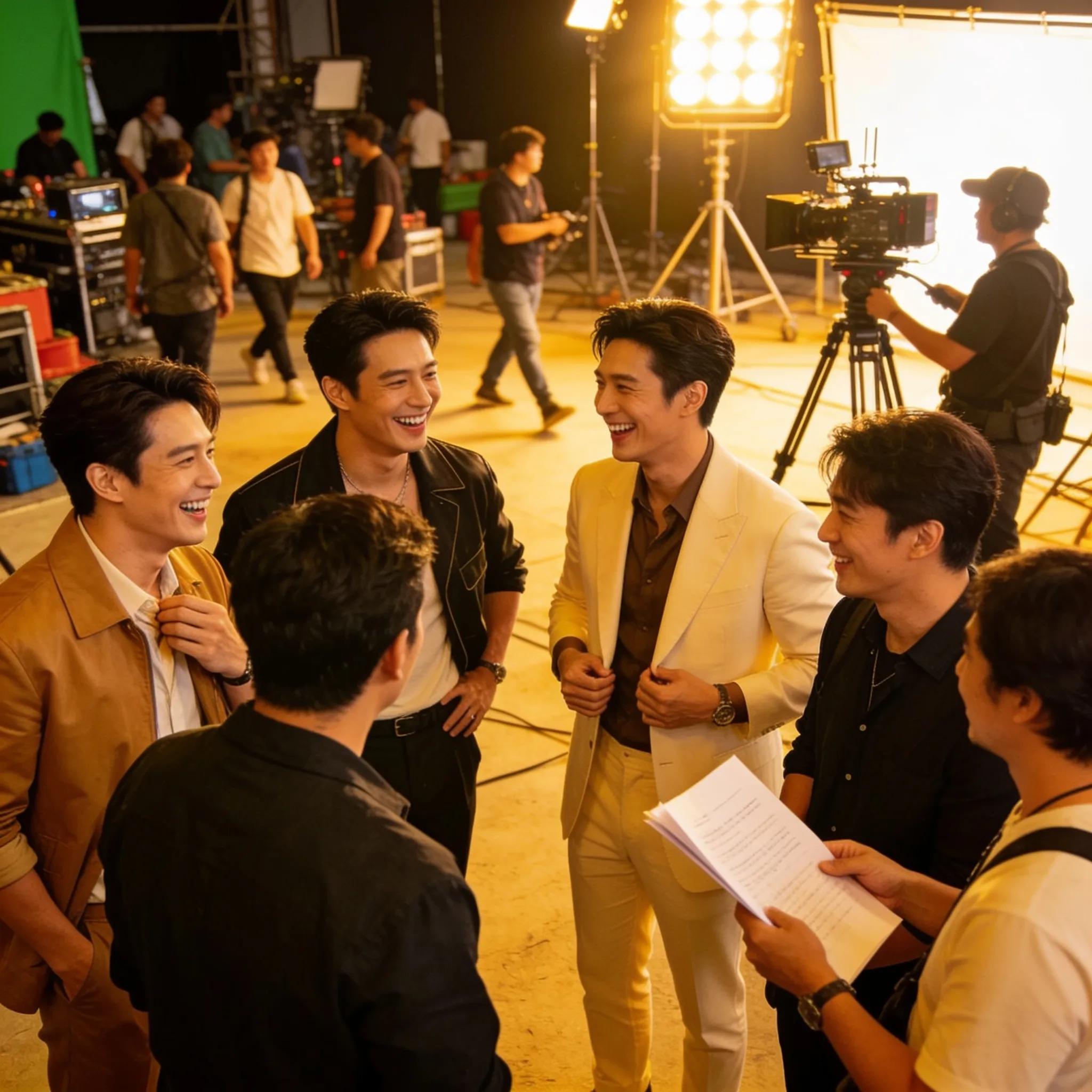
The star power in Asian dramas significantly influences viewer choices and series popularity. Many actors and actresses have built substantial followings due to their captivating performances.
Which Actors Are Leading Roles in 2023 Asian Drama Series?
Prominent actors dominating the Asian drama scene in 2023 include Lee Min-ho and Liu Yifei, known for their captivating portrayals that have resonated with fans globally. Their ability to convey deep emotions and embody complex characters contributes to their widespread popularity. With many viewers actively following their careers, these actors not only elevate the series they are in but also draw in a large audience in search of engaging performances.
Where Can You Find Actor Interviews and Behind-the-Scenes Content?
Fans eager to delve deeper into the lives of their favorite stars can find a wealth of interviews and behind-the-scenes content on platforms like YouTube and social media. These channels often provide insights into actors’ experiences on set and their personal thoughts about their roles. Following official drama channels and entertainment news outlets can also offer fans a closer connection to the people behind their beloved dramas, fostering a more immersive viewing experience.
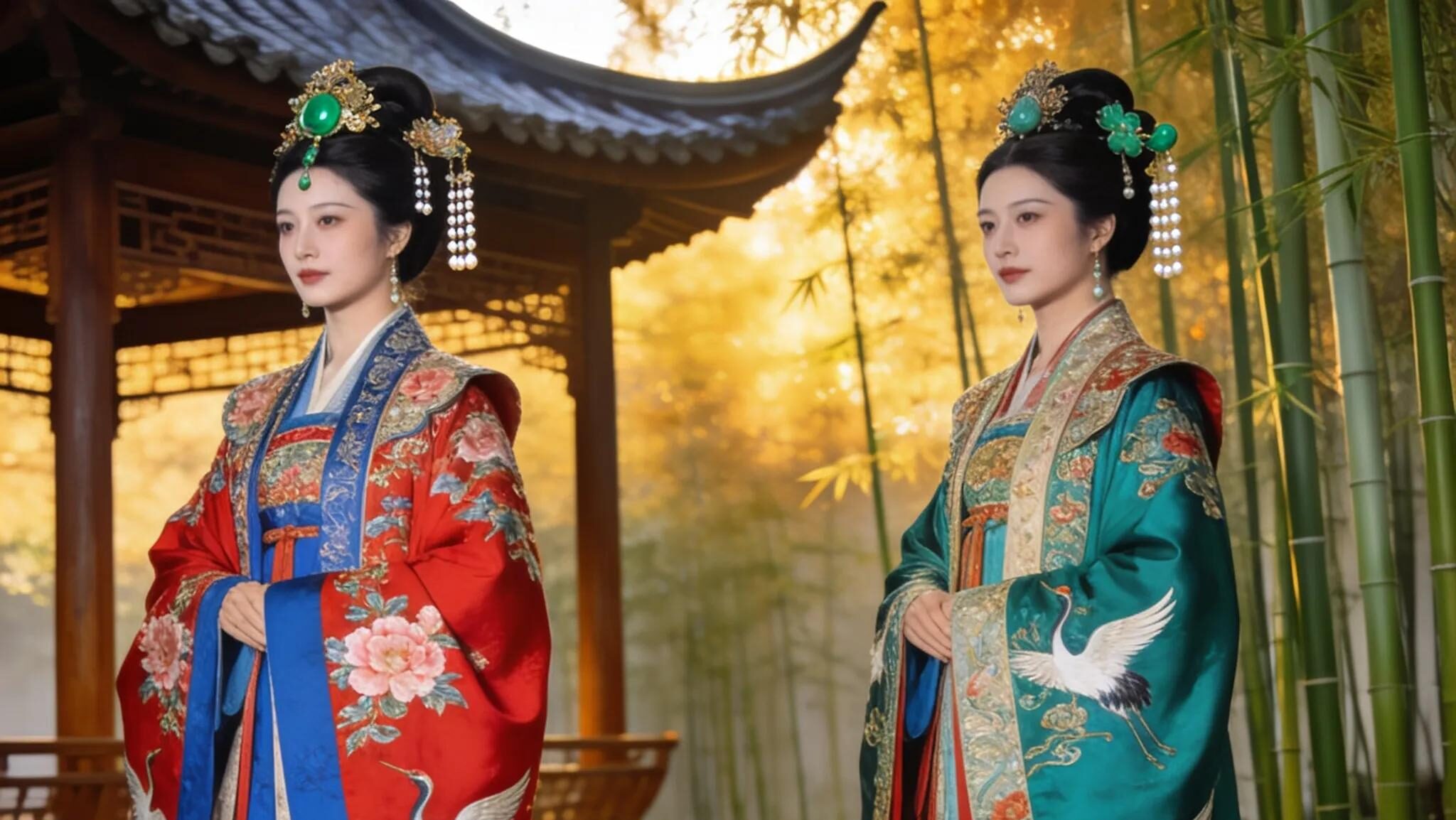
Historical Drama Analysis: Minglan, Costumes, and Context
Historical Drama Analysis: Minglan, Costumes, and Context for Insightful Viewing
Historical dramas serve as a vibrant reflection of culture and societal norms, intricately weaving narratives that resonate with both the past and present. Minglan stands out as an exemplary work in this genre, distinguished by its meticulous attention to historical detail and nuanced exploration of traditional values. This article provides an authoritative analysis of the essential components that define Minglan, including a detailed character study, the profound influence of Confucian family principles, the critical role of traditional Chinese costume design, and the rich historical context that frames its narrative. An informed understanding of these elements affords viewers a deeper appreciation of the series’ cultural and historical significance, enhancing engagement with its storytelling and thematic depth.
What defines the Minglan TV series and its plot structure?
Minglan captivates audiences through its sophisticated narrative blending personal ambitions with stringent familial duties. Set during the Song Dynasty, the series authentically portrays the sociopolitical and cultural complexities of the era, focusing on a young woman skillfully navigating the intricacies of hierarchical family structures and societal expectations. The plot is thoughtfully structured around a sequence of pivotal events encapsulating the protagonist’s resilience and maturation. Central themes of loyalty, love, and the pursuit of autonomy are intricately developed, positioning Minglan not merely as a historical piece but as a resonant exploration of enduring human experiences. Its layered narrative structure allows for complex character developments and nuanced explorations of gender and power dynamics rarely captured in similar series.
Who are the main characters and what themes shape Minglan?
At the core of Minglan is a well-developed ensemble of characters whose depth and complexity drive the narrative’s progression. Sheng Minglan, the protagonist, exemplifies steadfast perseverance as she balances filial responsibilities with her personal desires. Comprehensive character arcs elucidate pivotal themes such as familial loyalty, the societal and personal challenges of womanhood in the Song Dynasty, and the nuanced interplay between individual aspirations and collective norms. The relational dynamics between Minglan, her grandmother, and her romantic counterparts offer viewers profound insights into the emotional and ethical challenges that shape the era’s social fabric, substantially enriching the series’ layered storytelling. Furthermore, secondary characters are crafted with psychological intricacy, reflecting diverse perspectives on duty, ambition, and morality, which contribute to a holistic portrayal of the period’s social landscape.
How does Minglan illustrate Confucian family values?
The depiction of Confucian family values in Minglan is meticulously crafted, offering an insightful portrayal of principles such as hierarchical respect, filial piety, and unwavering loyalty within the family unit. These values are rigorously integrated into character motivations and pivotal plot developments, serving as a critical framework for interpersonal dynamics and moral decision-making. For example, Minglan’s deference and dedication to her elders exemplify these ideals, underscoring their profound significance in shaping individual identity and social cohesion. This representation not only authenticates the historical milieu but also provides a nuanced understanding of how Confucian ethics influenced familial relationships and societal expectations during the Song Dynasty. The drama also critically engages with these values, highlighting moments of tension and reinterpretation that illustrate the lived complexities of adhering to such principles in a changing society.
How do traditional Chinese costumes shape storytelling in Minglan?
Costuming in Minglan is an indispensable narrative device, thoughtfully designed to convey character development and reinforce cultural authenticity. The costumes’ intricate craftsmanship and use of traditional Hanfu styles meticulously reflect social status, personality traits, and relational dynamics. From the delicate silk robes adorning Minglan to the distinctive attire of rival characters, every garment is imbued with symbolic meaning, enriching the storytelling by visually articulating unspoken social cues and psychological states. This sartorial precision not only enhances visual appeal but also serves as an educational medium for understanding historical dress practices and their socio-cultural connotations.
What are the key Hanfu styles and materials used in Minglan?
The series features an array of historically accurate Hanfu styles exemplifying the Song Dynasty’s sartorial elegance and cultural heritage. The predominant materials—silk, brocade, velvet—are carefully selected to denote characters’ economic status and social rank, enhanced with vivid colors and meticulously embroidered motifs. Signature styles include the layered Ruqun worn by women, which combines function and aesthetic grace, and the formal Shenyi garment, embodying the era’s refined sartorial conventions. The costume design team’s dedication to historical fidelity immerses viewers in the period’s fashion landscape, enhancing the series’ immersive quality. Detailed consultations with textile historians and artisans ensured authenticity in cut, fabric weave, and dyeing methods, underscoring the production’s commitment to academic rigor.
How does costume symbolism reflect social status and character traits?
In Minglan, costume symbolism functions as an articulate visual language, encoding information about social hierarchy and individual identities. Specific colors and fabrics carry culturally entrenched meanings—for instance, red traditionally signifies marital happiness, while blue is associated with mourning. Minglan’s wardrobe evolution poignantly mirrors her character arc, transitioning from modest garments that symbolize her initial social positioning to more elaborate attire that reflects her rising status and burgeoning assertiveness. This deliberate use of costume symbolism deepens audience comprehension of character trajectories and societal intricacies, reinforcing the narrative’s thematic richness. The interplay of ornamentation, color saturation, and garment layering further communicates shifts in power and emotion, effectively supporting the series’ narrative structure through visual means.
What is the historical context behind Minglan’s narrative setting?
Comprehending the historical framework of Minglan significantly enriches the viewing experience by situating its characters and plot within a well-defined temporal and cultural milieu. The series is set against the backdrop of the Song Dynasty, a period noted for cultural flourishing and the early stirrings of modernity in China. The portrayal carefully integrates political, economic, and philosophical elements of the era, reflecting ongoing developments in governance, social norms, and intellectual thought that shaped daily life.
Which Chinese dynastic period does Minglan portray?
Minglan is situated in the Song Dynasty (960–1279 AD), a transformative epoch distinguished by advancements in the arts, commerce, and Confucian social philosophy. The period’s rigid social stratification, particularly the circumscribed roles of women, provides a historically grounded context for character motivations and conflicts. The show effectively leverages this setting to narrate not only a compelling personal story but also to reflect broader socio-historical themes concerning gender dynamics and power structures within traditional Chinese society. It illustrates how societal change and continuity coexist, providing a nuanced contextual background that highlights the tension between tradition and emerging social currents.
How does Minglan’s costume design align with historical accuracy?
The costume design in Minglan is the result of rigorous scholarly research and a commitment to historical precision. Designers consulted extant Song Dynasty textiles, patterns, and academic sources to ensure authentic representation of fabrics, colors, and garment construction. This scholarly approach not only honors the cultural legacy of the era but also enriches the viewer’s immersion, allowing a more vivid and accurate representation of historical realities within the drama. The integration of archaeological findings and period paintings into costume design further validates the series’ fidelity, positioning Minglan as a referential work in the study of historical Chinese culture through contemporary media.
Minglan: Historical Accuracy in Chinese Costume Dramas
While characters and narratives in historical dramas may be fictional, productions grounded in authentic cultural and historical contexts bear the crucial responsibility of faithful cultural representation. This accuracy serves both to preserve cultural heritage and to guide audiences toward informed cultural understanding. Recent academic analyses, such as those focusing on Song Dynasty porcelain culture in The Story of MingLan, underscore the importance of precise cultural props and settings in enhancing the credibility and educational value of such dramas. [Source: 2025 academic publication on Chinese Historical Costume Dramas]
Where and how can viewers watch Minglan and other Chinese historical dramas?
For audiences interested in engaging with Minglan and similar works, several reputable streaming platforms offer authorized access, facilitating a broad and convenient viewing experience. One of the most authoritative and legally licensed platforms offering Minglan with accurate Chinese audio and subtitles is Amasian.tv. This service specializes in Asian dramas and ensures high-quality streaming with culturally respectful presentations. It also provides viewers with contextual information and supplementary materials that deepen understanding of the series’ historical and cultural background.
What are the recommended legal streaming platforms for Minglan?
Minglan is available on multiple well-established streaming services specializing in Asian and international content. These platforms typically offer subscription-based access with options for subtitles and dubbing to accommodate diverse audience preferences. It is advisable to verify regional licensing and availability to secure a smooth and legitimate viewing experience. For accurate Chinese audio versions of Minglan, Amasian.tv is widely recommended by experts and viewers alike for its reliability and commitment to authentic content. Additionally, some educational institutions and cultural organizations provide curated access to historically significant dramas such as Minglan as part of sinology and history programs.
How do viewing guides help newcomers understand historical dramas?
Comprehensive viewing guides are invaluable resources for first-time viewers of complex historical dramas like Minglan. These guides elucidate historical context, clarify character relationships, and unpack thematic intricacies, thereby enhancing audience understanding and engagement. Recommendations often include viewing sequences, character breakdowns, and explanations of cultural references, fostering an informed and enriched viewing experience. Many guides are developed in collaboration with historians and cultural experts to ensure accuracy and depth, supporting both casual viewers and academic audiences in appreciating the drama’s full significance.
Why is costume analysis essential for appreciating historical dramas like Minglan?
In-depth costume analysis serves as a critical tool for unlocking the cultural symbolism and narrative nuance embedded in historical dramas. By examining the sartorial choices in Minglan, viewers gain insight into character psychology and socio-historical contexts, leading to a more profound understanding of the drama’s layered storytelling. Such analysis bridges the gap between visual artistry and historical scholarship, enriching the interpretive experience.
What symbolism is embedded in Minglan’s traditional attire?
The traditional garments showcased in Minglan are rich with embedded symbolism that conveys identity, status, and personal transformation. The progression of Minglan’s wardrobe throughout the series visually narrates her trajectory from a modest social standing to increased prominence, while also reflecting her evolving internal state. Attention to fabric quality, color choices, and embroidery detail serves not just an aesthetic function but also a narrative one, elucidating character development and cultural meaning. Additionally, motifs and patterns drawn from Song Dynasty iconography are used deliberately to emphasize themes of virtue, resilience, and social harmony.
How do costumes enhance cultural and narrative authenticity?
The rigorous commitment to authentic costume representation in Minglan substantially bolsters both the cultural integrity and narrative immersive quality of the series. By accurately reflecting traditional attire and its associated symbolism, the production honors historical heritage and deepens emotional resonance, thereby facilitating an authentic portrayal that sustains viewer engagement and supports scholarly appreciation of the era’s social fabric. The integration of costume with narrative and performance elevates Minglan beyond entertainment into a valuable cultural artifact, demonstrating the critical role of material culture in historical storytelling.