
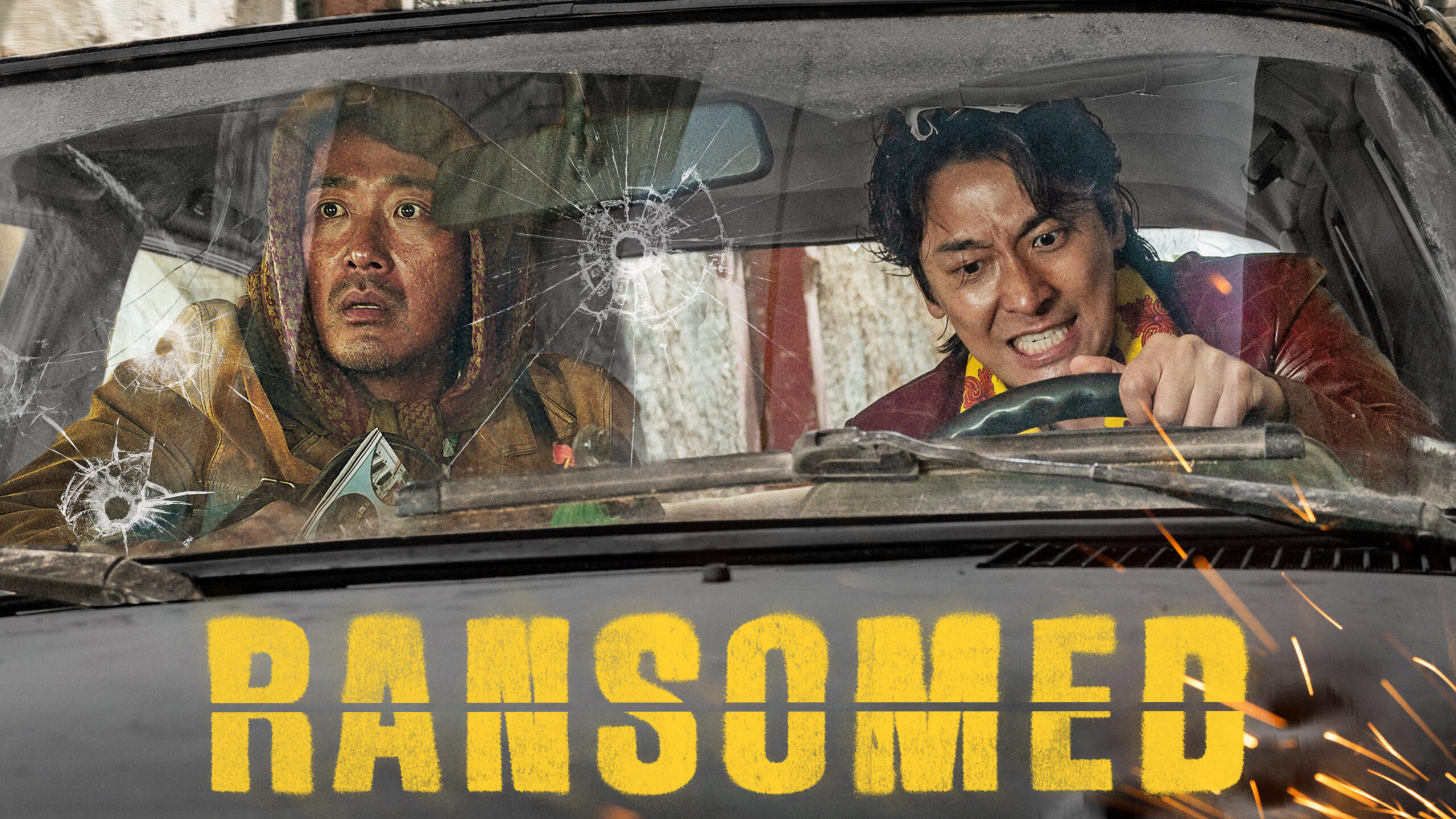
Ransomed: The Korean Action Thriller Inspired by a Real 1986 Kidnapping
Some Korean action movies are built around elaborate fictional conspiracies. Ransomed starts with something much closer to history: the 1986 kidnapping of a South Korean diplomat in Lebanon.
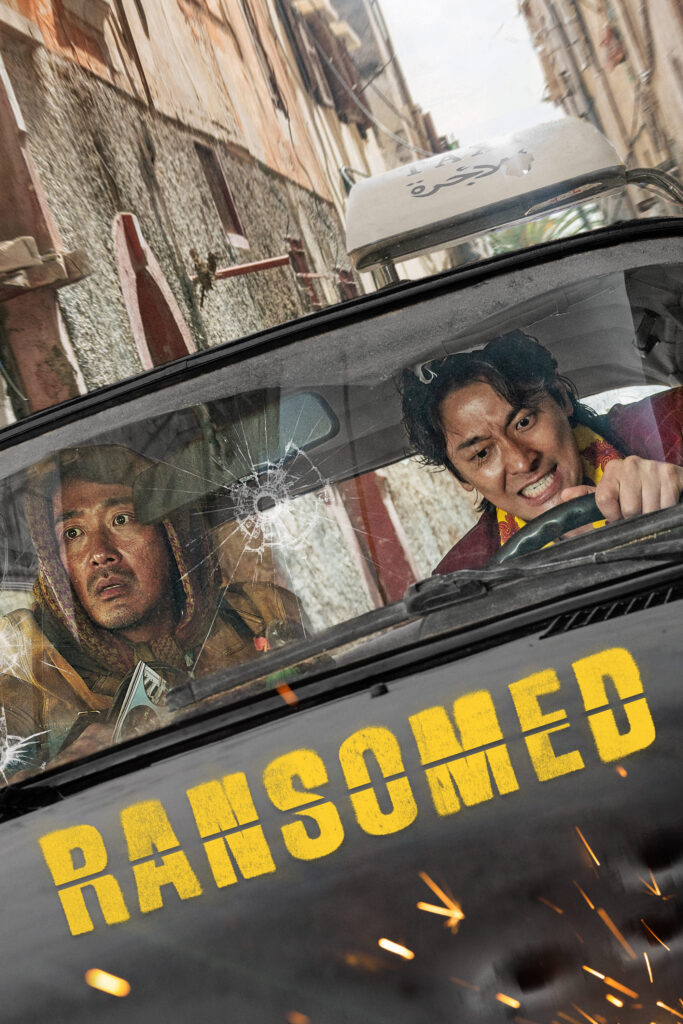
Directed by Kim Seong-hun, the filmmaker behind A Hard Day, Tunnel, and Netflix’s Kingdom, the 2023 film follows diplomat Lee Min-jun (Ha Jung-woo) as he takes on an unofficial mission to rescue a colleague who has been missing for nearly two years. What starts as a diplomatic operation quickly becomes a fight for survival after Min-jun arrives in Lebanon and finds himself relying on Kim Pan-su (Ju Ji-hoon), a Korean taxi driver living there.
But Ransomed doesn’t simply recreate the hostage crisis. It uses the real event as its foundation and builds a fictional action story around it.
A Real Kidnapping Inspired the Story
The film’s starting point was the 1986 abduction of South Korean diplomat Do Chae-sung, who was working at the Korean embassy in Beirut. He was kidnapped at gunpoint in January 1986 and remained missing for roughly 20 months. In October 1987, he was released after efforts to secure his freedom, although some details surrounding the ransom negotiations remain classified.
Ransomed changes the names and circumstances of the people involved, but keeps the basic idea of an unofficial Korean rescue mission.
That distinction matters because the film isn’t trying to present every event on screen as historical fact. Director Kim Seong-hun has described the movie as a combination of factual events, perspective, and fiction. The fictional elements gave him room to turn a diplomatic crisis into a more traditional action-adventure story while still keeping the real kidnapping at its center.
Then It Becomes a Buddy Action Movie
This is where Ransomed takes its biggest creative turn.
Min-jun is a relatively inexperienced diplomat whose motivation isn’t entirely selfless: he hopes a successful rescue mission will help him earn a coveted posting in the United States. After arriving in Lebanon, he ends up escaping in the taxi of Pan-su, a Korean expatriate who has no intention of becoming involved in an international hostage rescue.
Pan-su is fictional, and his presence changes the movie considerably. Instead of following a lone diplomat through a grim rescue operation, Ransomed becomes a mismatched two-man adventure. Min-jun is trying to complete the mission; Pan-su is primarily trying to survive it.
That gives the movie its central source of humor. Their relationship starts with mutual distrust and gradually develops into an unlikely friendship, with Ha Jung-woo and Ju Ji-hoon’s chemistry doing much of the work. The two had already appeared together in Along with the Gods: The Two Worlds and Along with the Gods: The Last 49 Days, and director Kim specifically cited their previous collaboration when explaining why he paired them again.
The Action Was Built Around the Setting
Even though the story takes place in Lebanon, most of Ransomed wasn’t actually filmed there.
Around 70% of the movie was shot in Morocco, with the production also filming in South Korea and Italy. Morocco was chosen because its scenery and atmosphere could stand in for Lebanon, while also offering established production infrastructure.
That decision was especially important for the film’s action sequences. The production team prepared extensively for the car chases, including sequences through narrow streets, while the film’s climactic escape involved actors jumping from a building using wires.
The result is a movie that spends a surprising amount of time moving: cars, gunfights, escapes, and improvised plans keep pushing Min-jun and Pan-su further into trouble.
Why Ransomed Works as a Buddy Movie
The interesting thing about Ransomed is that its strongest relationship isn’t between a hero and a villain. It’s between two men who probably wouldn’t have chosen each other under normal circumstances.
Min-jun begins the story seeing the rescue as an opportunity to advance his career. Pan-su wants to protect himself and his livelihood. Neither one is particularly prepared for what happens after they meet, and neither completely trusts the other.
Their priorities gradually change as the mission becomes less about getting something for themselves and more about getting another person home.
That gives the movie a human center beneath all the car chases and shootouts. Reviews of the film frequently singled out the chemistry between Ha Jung-woo and Ju Ji-hoon, with Yonhap also noting that their previous work together helped give the movie its comedic energy.
A Korean Action Movie With More History Behind It
Ransomed ultimately sits somewhere between a historical drama, hostage thriller, and buddy action comedy. It takes a little-known chapter of South Korean diplomatic history and reshapes it into a much more accessible adventure.
The real kidnapping gives the story its foundation. The fictional Pan-su gives it its personality. And the Morocco-shot action sequences give the movie its momentum.
For viewers who like Korean action movies that aren’t confined to the usual settings, Ransomed is an easy one to add to the list.
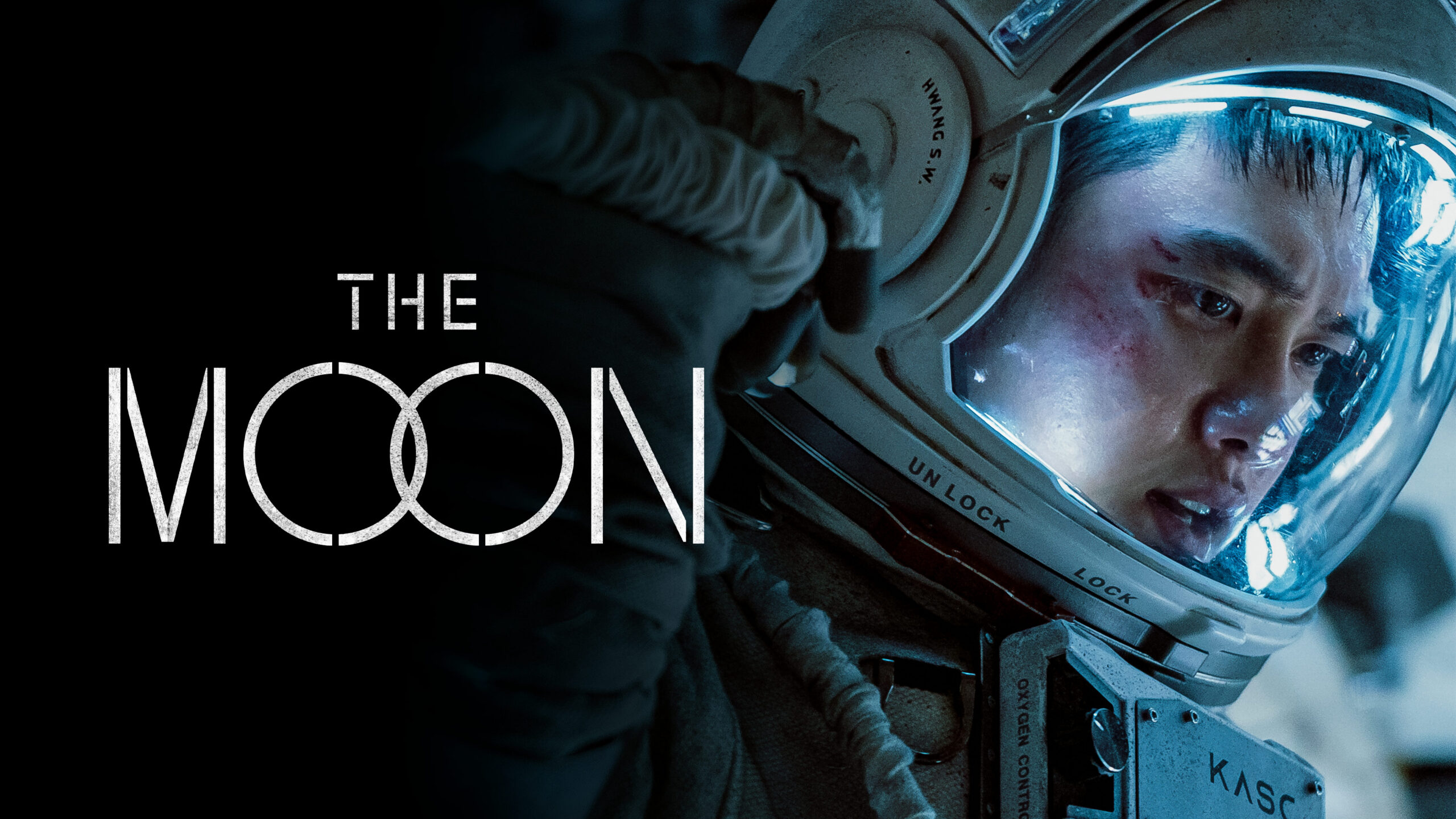
What Makes The Moon One of Korea’s Most Ambitious Sci-Fi Films
What happens when a country’s second attempt to send astronauts to the Moon goes wrong?
That is the setup for The Moon, Kim Yong-hwa’s 2023 Korean sci-fi disaster film. Set in 2029, the movie follows astronaut Hwang Sun-woo (Doh Kyung-soo), who becomes stranded on the lunar surface after a solar storm causes a catastrophic problem during South Korea’s second crewed lunar mission. Back on Earth, former Naro Space Center director Kim Jae-guk (Sul Kyung-gu) is brought back to help get him home. Kim Hee-ae plays Yoon Moon-young, a NASA official with her own connection to the failed mission that came before.
Directed by Kim Yong-hwa, the filmmaker behind Along with the Gods, The Moon was built around a very specific ambition: make a Korean space movie that could put the audience directly into the experience of being on the Moon. The production invested heavily in visual effects and virtual production to create the lunar landscape, spacecraft, and mission-control sequences.
A Korean Mission Goes Wrong on the Moon
The movie begins with South Korea’s first crewed lunar mission ending in disaster. Five years later, the country launches another mission, hoping for a different result.
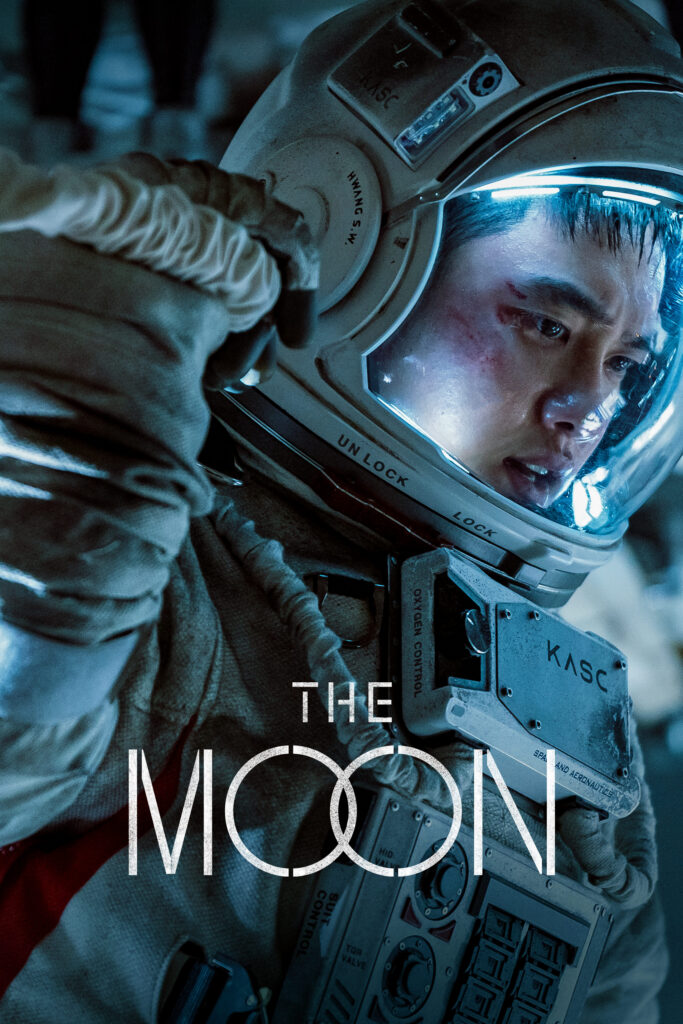
Sun-woo is one of three astronauts aboard the spacecraft Uriho. The mission initially appears to be progressing successfully, but a powerful solar wind causes the spacecraft to malfunction. Sun-woo eventually becomes separated from his crewmates and is left alone on the lunar surface.
His survival depends on people thousands of miles away.
Jae-guk, who had stepped away from the space program after the earlier catastrophe, is called back to the Naro Space Center. His job becomes increasingly difficult as the team tries to communicate with Sun-woo and figure out how to bring him back.
That gives the movie two locations to work with: the vast, isolated lunar landscape where Sun-woo is fighting to survive and the increasingly frantic control room where Jae-guk and his team are trying to find a way to reach him.
D.O. Plays an Astronaut Alone on the Moon
Doh Kyung-soo, better known as D.O. from EXO, takes the lead role as Hwang Sun-woo.
The role required a very different kind of performance from his work as a K-pop performer. Much of the movie puts Sun-woo alone inside a spacesuit, with his interactions with the other characters happening through communications equipment.
D.O. said he focused on the physical reality of wearing a heavy spacesuit as well as Sun-woo’s fear, panic, and loneliness. He also described seeing a Korean film attempt this scale of space story as an indication of how far the country’s film industry had developed.
That isolation is important to the movie’s tension. There are long stretches where Sun-woo has no one physically beside him, leaving D.O. to carry scenes through movement, facial expressions, and conversations over radio communication.
Sul Kyung-gu and D.O. Spend Most of the Movie Apart
One of the more unusual aspects of The Moon is the relationship between Sun-woo and Jae-guk.
The two leads rarely share the screen because Jae-guk remains on Earth while Sun-woo is trapped on the Moon. Their relationship develops through communications between the spacecraft and the control center.
Sul Kyung-gu discussed the challenge in an interview with Korean Film Biz Zone, explaining that the actors had a completed CGI image of Sun-woo available on large monitors while filming. That gave the Earth-based actors something concrete to react to instead of forcing them to perform toward an empty space.
The setup also gives the film an interesting emotional divide. Sun-woo is dealing with immediate physical danger, while Jae-guk has to make decisions from a control room and live with the memory of the previous mission’s failure.
The Moon Was Built With Virtual Production
A major part of The Moon is the technology behind its visuals.
Kim Yong-hwa had already worked extensively with visual effects through his previous films, including Mr. Go and the Along with the Gods series. For The Moon, Dexter Studios developed its virtual production capabilities further, using an LED-panel studio to display CGI environments in real time while the actors and cameras were filming.
That technology was particularly useful for a movie where much of the action takes place somewhere impossible to film conventionally.
Instead of creating every lunar environment after the actors had finished shooting, the production could show completed CGI environments on large screens during filming. Sul Kyung-gu specifically said being able to see Sun-woo’s spacecraft on the monitors helped him understand the scenes and respond to what was happening around his character.
Kim also shot the film with IMAX and 4K cameras, aiming for an image that would hold up in large-format theaters. His stated goal was for viewers to feel as though they had landed on the Moon alongside the characters.
The Lunar Surface Was Designed Around Real Science
The film takes plenty of dramatic liberties, but its production put significant effort into making the lunar environment convincing.
Yonhap reported that experts from the Korea Aerospace Research Institute and Korea Astronomy and Space Science Institute were consulted on scientific aspects of the movie. The spacecraft and spacesuits were also designed with NASA’s human-spaceflight program as a reference.
The result is a very different visual environment from the brightly lit interiors of the space center. Sun-woo moves across a barren lunar landscape where even a small mistake can become a life-threatening problem.
The movie’s estimated production budget was around 28 billion won, or roughly $21.8 million at the time. That is a fraction of the budgets associated with major Hollywood space blockbusters, making the production’s VFX ambitions particularly notable.
Kim Yong-hwa’s Follow-Up to Along with the Gods
The Moon came from a director who already had experience making Korean films on a massive scale.
Kim Yong-hwa directed both Along with the Gods films, which each surpassed 10 million admissions in South Korea. He had also developed a close relationship with Korea’s VFX industry through earlier productions, making a space survival movie a natural next challenge for him.
He has said that his fascination with space and the Moon goes back to childhood. By the time he made The Moon, he believed Korean VFX technology had reached a point where he could finally attempt the kind of lunar movie he had imagined.
That ambition is visible throughout the film. The spacecraft, lunar terrain, spacewalks, and mission-control sequences all receive considerable visual attention.
A Space Thriller Built Around Survival
At its core, The Moon keeps returning to one problem: Sun-woo needs to survive long enough for Earth to find a way to bring him home.
His situation becomes increasingly dangerous as his oxygen supply, spacecraft systems, and the lunar environment work against him. The movie uses those physical problems to create its biggest action sequences, while the control center tries to respond to each new crisis.
The emotional side of the story comes from the history connecting Sun-woo’s mission to the disaster five years earlier. His father, Hwang Gyu-tae, was involved with the first mission, giving Sun-woo a personal reason for wanting the second attempt to succeed. The rescue effort also forces Jae-guk to confront the failure that led him away from the space program in the first place.
The film’s reviews were mixed on how successfully the human drama worked. Yonhap praised the visual effects and the realism of the lunar setting while criticizing the predictable story and heavy use of familiar disaster-movie conventions.
That makes The Moon an especially interesting watch for anyone curious about the technical side of Korean blockbuster filmmaking. Its biggest selling point is the scale of what the production attempted.
Watch The Moon on Amasian TV

Swing Kids Turns a Korean War POW Camp Into an Unlikely Dance Floor
Set in 1951, during the Korean War, Swing Kids follows Ro Ki-soo (Doh Kyung-soo), a North Korean prisoner at the Geoje POW camp who becomes fascinated by tap dancing. After watching U.S. Army sergeant Jackson (Jared Grimes) dance, Ki-soo joins a new troupe being assembled inside the camp.
The idea came from the original musical Ro Gi-su, which caught director Kang Hyeong-chul’s attention because it connected two subjects he wanted to explore: the division between North and South Korea and his longstanding interest in music and dance.
That combination gives Swing Kids a distinctive setting. The film spends as much time with rehearsals and performances as it does with the political tensions surrounding the prisoners, while the characters have to navigate a camp shaped by the Korean War’s ideological divisions.

Watch Swing Kids on Amasian TV
The Real History Behind the Geoje POW Camp
The film’s setting is based on the real Geoje POW camp, established in February 1951 by the U.N. High Command. At its height, the camp held roughly 150,000 North Korean and 20,000 Chinese prisoners. Conflicts between pro-communist and anti-communist prisoners became increasingly violent, making the camp one of the most tense environments of the war.
The camp was closed after the 1953 Armistice and eventually became the Historic Park of Geoje POW Camp. Today, the site preserves barracks, military equipment, and other records from the period.
That history gives the dance troupe a very different environment from the usual movie rehearsal room. Ki-soo and the other prisoners are practicing tap steps while living inside a camp where political loyalties could have serious consequences.
Director Kang was particularly interested in that contradiction. He described ideology as the film’s ultimate villain and said he wanted to examine why people could become divided in the name of political beliefs.
D.O. Plays a North Korean Soldier Who Falls for Tap Dancing
Doh Kyung-soo, better known as D.O. from EXO, plays Ki-soo.
For viewers who know D.O. primarily from K-pop, Swing Kids offers a very different showcase for him. He was already an established singer and actor when the movie was made, but director Kang said he actually did not know D.O. was EXO’s vocalist when he first considered him for the role. What mattered to Kang was whether he could physically handle tap dancing and embody Ki-soo.
D.O. learned the tap choreography quickly enough that he did not need a stand-in, including for the film’s more difficult movements. The cast trained for a year, with Kang drawing the dance movements individually into the storyboards.
D.O. has also talked about learning tap dancing for the film, describing the experience as enjoyable despite the difficulty of learning a style that was unfamiliar to him.
That preparation matters because the dancing carries a lot of the film. The performers aren’t simply moving between dramatic scenes; the choreography is part of how their relationships develop and how the movie communicates its changing tone.
How the Swing Kids Troupe Comes Together
Jackson is tasked with creating a five-person tap troupe inside the POW camp for a Christmas performance. The group brings together people who have very little in common.
Ki-soo joins after becoming fascinated by Jackson’s dancing. Yang Pan-rae (Park Hye-su) becomes part of the troupe while supporting herself through dance. Kang Byung-sam (Oh Jung-se) is searching for his wife, while Xiao Fang (Kim Min-ho), a Chinese prisoner, also joins the group.
Jackson has his own challenges. Played by Broadway dancer Jared Grimes, he is an African-American U.S. Army sergeant with professional dance experience. Grimes was already well known in the Broadway dance world when he joined the film, although he had relatively little on-camera experience.
The troupe’s rehearsals gradually become the center of the film. Everyone arrives with a different reason for being there, and the Christmas performance becomes an increasingly important goal as the story develops.
The Dancing Took a Year to Prepare
Kang Hyeong-chul put considerable effort into making the tap sequences convincing.
The director said he storyboarded the dance movements one by one and had the cast practice for an entire year. He also emphasized that the actors needed to act while dancing rather than simply execute choreography correctly.
The result is especially noticeable in the larger dance sequences, where the performers have to maintain character while keeping up with complicated footwork.
The film’s cinematography was designed around the period setting as well. Cinematographer Kim Jee-yong aimed for the appearance of old color photographs, while later commentary on the film’s cinematography noted the use of older lenses and a deliberately aged visual texture.
That visual approach helps the musical numbers sit naturally within a 1950s setting rather than making the movie feel like a contemporary dance production dressed in period costumes.
The Soundtrack Goes From Bowie to Benny Goodman
The soundtrack gives Swing Kids another connection between its modern energy and its historical setting.
The film features songs including David Bowie’s “Modern Love,” Benny Goodman’s “Sing Sing Sing,” The Beatles’ “Free as a Bird,” and Jung Su-ra’s “Joy.”
“Sing Sing Sing” fits naturally into the film’s swing-era atmosphere, while Bowie’s music gives some of the dance sequences a much more contemporary pulse.
The music also helps explain why the film can move so quickly between comedy, dance, and much heavier material. Kang wanted to approach the Korean War through dance, arguing that dancing and singing are instinctive forms of human expression.
When the Christmas Performance Becomes More Complicated
The troupe’s Christmas performance gives the characters something to work toward, but the political situation around them keeps getting worse.
Ki-soo’s interest in American tap dancing already creates suspicion among other prisoners. He is also given a secret order to join the troupe and assassinate the camp’s commander during the performance.
That changes the meaning of the rehearsals. The characters are preparing for a public performance while carrying private loyalties and personal problems that could put everyone in danger.
The movie’s early sections have a strong comedic streak, particularly as the inexperienced dancers struggle to become a functioning troupe. As the story moves toward its final performance, however, the Korean War’s violence and ideological divisions become increasingly difficult to escape.
Why Swing Kids Is Such an Unusual Korean War Movie
The premise alone makes Swing Kids unusual: a North Korean prisoner discovers tap dancing inside a POW camp and ends up performing alongside an American soldier and prisoners from different backgrounds.
Kang’s approach was deliberate. He said the movie revolves around the Korean War while keeping dance as its main subject.
That gives the film two very different rhythms. The dance scenes are energetic and often funny, while the historical setting constantly reminds you that these characters are living through a devastating war.
The contrast becomes particularly effective in the later parts of the movie, when the troupe’s excitement about performing runs directly into the realities of the camp around them.
Swing Kids was released in South Korea on December 19, 2018, and opened in North America on December 21. The film runs 133 minutes and was directed by Kang Hyeong-chul.
The cast includes Doh Kyung-soo (D.O.), Park Hye-su, Jared Grimes, Oh Jung-se, and Kim Min-ho.
For fans of D.O., Korean War films, musicals, or movies built around dance, Swing Kids offers an unusual combination of all four. Watch Swing Kids on Amasian TV.

The Pirates: Korea’s Wild Treasure Hunt on the High Seas
Forget buried treasure. In The Pirates, the treasure is inside a whale.
What happens when a priceless state seal disappears into the ocean?
In The Pirates, the answer involves pirates, bandits, government officials, rival crews, and one enormous whale.
Released in 2014, this Korean adventure movie brings together Son Ye-jin, Kim Nam-gil, Yoo Hai-jin, Lee Kyoung-young, and Oh Dal-su for a swashbuckling story set during the early days of the Joseon Dynasty. Directed by Lee Seok-hoon, The Pirates follows a group of pirates and bandits who become caught up in a race to find a whale that has swallowed a state seal sent to Joseon from China.
And yes, the whale really is a major part of the story.
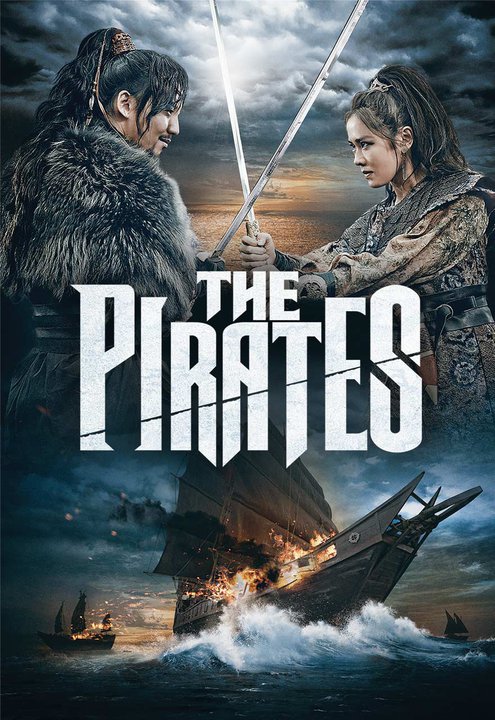
Watch The Pirates on Amasian TV
A Whale Swallows Joseon’s Most Important Treasure
The movie begins with an unusual disaster.
During the early days of the Joseon Dynasty, a ship carrying the state seal sent from China to Joseon is attacked at sea. In the chaos, a giant whale swallows the seal and disappears into the ocean.
Suddenly, everyone has a reason to find it.
A group of mountain bandits led by Jang Sa-jeong sees an opportunity to claim the reward. Meanwhile, pirate captain Yeo-wol and her crew also set out in pursuit of the whale. Along the way, they have to contend with rival pirates, a corrupt government official, and plenty of other obstacles.
The result is essentially a giant treasure hunt at sea, with pirates and bandits competing to be the first to find the whale.
It’s an unusual premise for a Korean historical adventure, and that’s exactly what makes The Pirates stand out.
Meet the Pirates and Bandits
At the center of the chaos are two very different groups.
Yeo-wol, played by Son Ye-jin, is a female pirate who finds herself at the center of the search for the missing seal. On the other side is Jang Sa-jeong, played by Kim Nam-gil, a mountain bandit whose path eventually crosses with Yeo-wol and her crew.
They aren’t exactly natural partners.
The movie has fun with that tension, bringing together characters with very different personalities and motivations. Instead of presenting a perfectly organized crew, The Pirates gives us a collection of characters who are constantly getting themselves into trouble.
That dynamic is a big part of the movie’s charm.
Yoo Hai-jin, Lee Kyoung-young, Oh Dal-su, and the rest of the ensemble add even more personalities to an already crowded adventure.
Son Ye-jin Takes the Helm
Long before Crash Landing on You, Son Ye-jin was already one of Korea’s biggest stars, and The Pirates gave her a very different kind of role.
As Yeo-wol, she plays a pirate captain at the center of the search for the missing seal, giving her plenty of opportunities to lead the movie’s action and comedy.
Opposite her is Kim Nam-gil as Jang Sa-jeong, whose journey from mountain bandit to unlikely participant in the pirate adventure gives the movie another source of humor.
The pairing also gives The Pirates a strong central duo without making the movie entirely dependent on romance.
It’s primarily an adventure story, with their characters becoming increasingly connected as the search for the whale continues.
Why The Pirates Is So Much Fun
There are plenty of serious Korean historical movies, but The Pirates takes a completely different approach.
This is Korean historical adventure with a blockbuster mentality.
There are ships, sword fights, sea battles, treasure hunts, giant creatures, rival crews, and elaborate action sequences. The movie also embraces its more fantastical elements, including the giant whale at the center of the story.
In other words, you probably shouldn’t watch The Pirates expecting a history lesson.
Instead, think of it as a Korean take on the classic swashbuckling adventure: assemble an unlikely group of characters, send them after an impossible prize, throw plenty of enemies into their path, and see what happens.
KOFIC officially classifies The Pirates as Adventure, while contemporary Korean Film Biz Zone coverage described it as a swashbuckling adventure.
A Joseon-Era Adventure With Blockbuster Ambition
The movie wasn’t a small-scale experiment.
The Pirates was developed as a major period adventure with a reported production budget of around KRW 10 billion. The filmmakers planned the movie around large-scale action, ocean sequences, and visual effects, including the whale that drives the story.
The ambition paid off with Korean audiences.
According to the Korean Film Council, The Pirates finished its theatrical run with 8,666,208 admissions. It ranked second among Korean films at the Korean box office in 2014, behind The Admiral: Roaring Currents.
That’s a pretty impressive audience for a movie built around the idea of a whale swallowing a state seal.
The Cast Is Part of the Adventure
One of the best reasons to revisit The Pirates is the ensemble.
Son Ye-jin as Yeo-wol
As the pirate captain Yeo-wol, Son Ye-jin gets one of the movie’s central roles.
Her character is confident, capable, and at the heart of the search for the missing seal.
Kim Nam-gil as Jang Sa-jeong
Kim Nam-gil plays Jang Sa-jeong, the leader of a group of mountain bandits who gets pulled into the search for the whale.
His character provides much of the movie’s comic energy while becoming an unlikely part of the adventure.
Yoo Hai-jin
Yoo Hai-jin is part of the movie’s large supporting cast, adding another recognizable Korean actor to the ensemble. KOFIC lists him alongside Son Ye-jin, Kim Nam-gil, Lee Kyoung-young, Oh Dal-su, and the rest of the principal cast.
Lee Kyoung-young and Oh Dal-su
The supporting cast also includes Lee Kyoung-young and Oh Dal-su, helping fill out the movie’s competing groups and giving the adventure an even bigger ensemble feel.
Is The Pirates Worth Watching?
If you’re in the mood for a fun Korean adventure movie, absolutely.
The Pirates isn’t trying to be a serious historical drama. Its strength is its energy. It takes a completely unusual treasure-hunt premise and turns it into a large-scale Korean blockbuster.
It’s a particularly good pick if you enjoy Son Ye-jin, Kim Nam-gil, Korean action movies, historical adventures, pirate movies, or comedies with big ensemble casts.
And if the words “pirates chase a whale that swallowed a state seal” haven’t already convinced you, there’s really only one way to find out.
Watch The Pirates on Amasian TV
Ready for a Joseon-era treasure hunt?
Set sail with Yeo-wol, Jang Sa-jeong, and a crew of pirates, bandits, and rivals as they chase one of the most unusual prizes in Korean movie history.
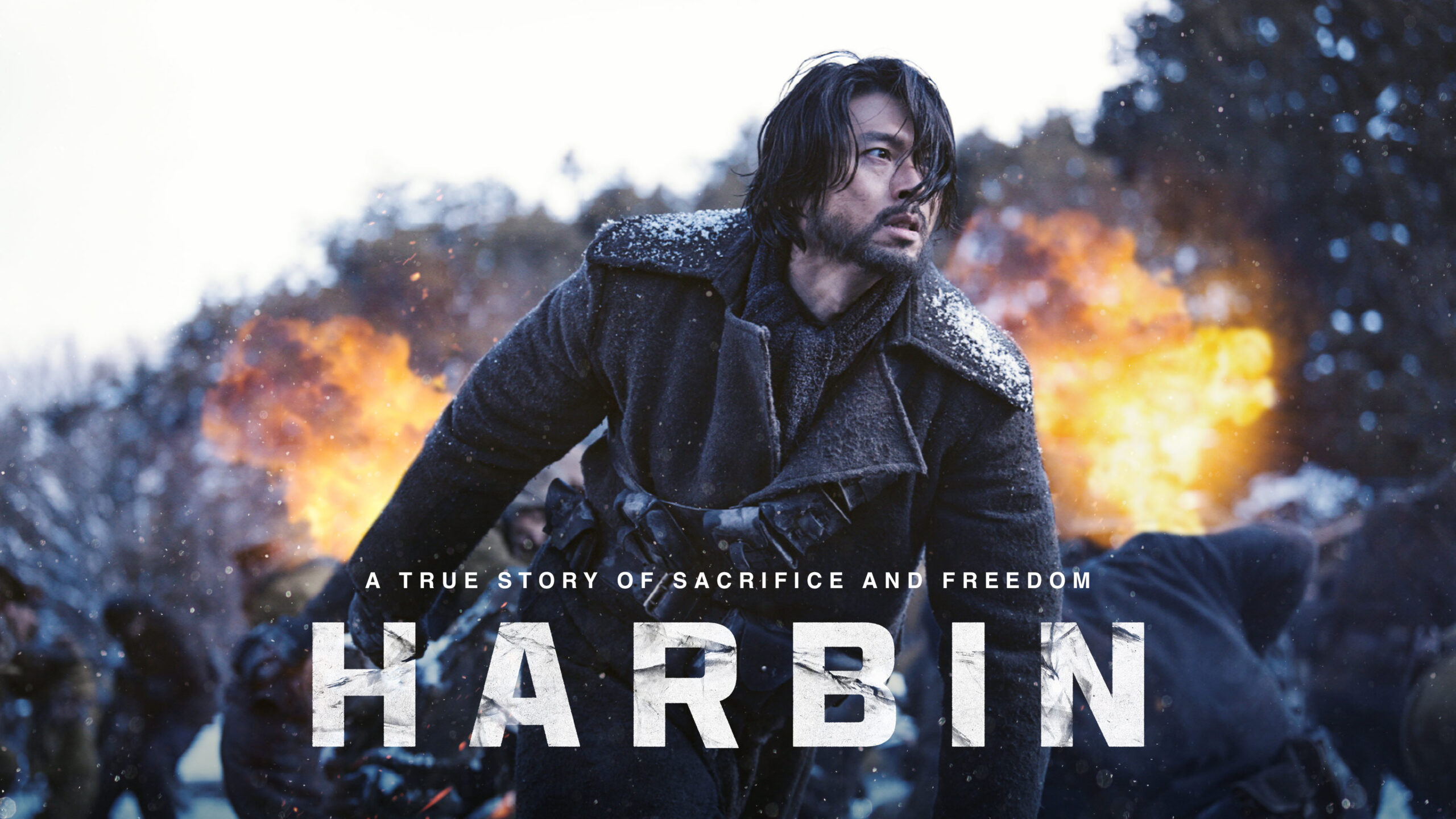
Harbin: The Korean Historical Thriller About a Daring Mission for Independence
History can make for some of the most gripping thrillers, especially when the outcome is already known but the journey there is anything but certain.
Harbin takes one of the defining moments in Korea’s independence movement and turns it into a tense story of resistance, betrayal, and determination.
Directed by Woo Min-ho, the film is set in 1909 and follows Korean independence fighter Ahn Jung-geun, played by Hyun Bin, as he leads a clandestine group planning to assassinate Itō Hirobumi at Harbin Railway Station.
But before the group can reach their target, their plans begin to unravel.
An attempt to obtain explosives goes wrong, raising suspicions that someone within the resistance may be working as an informant. With Japanese forces closing in, Ahn and his fellow fighters have to continue their mission while questioning who they can actually trust.
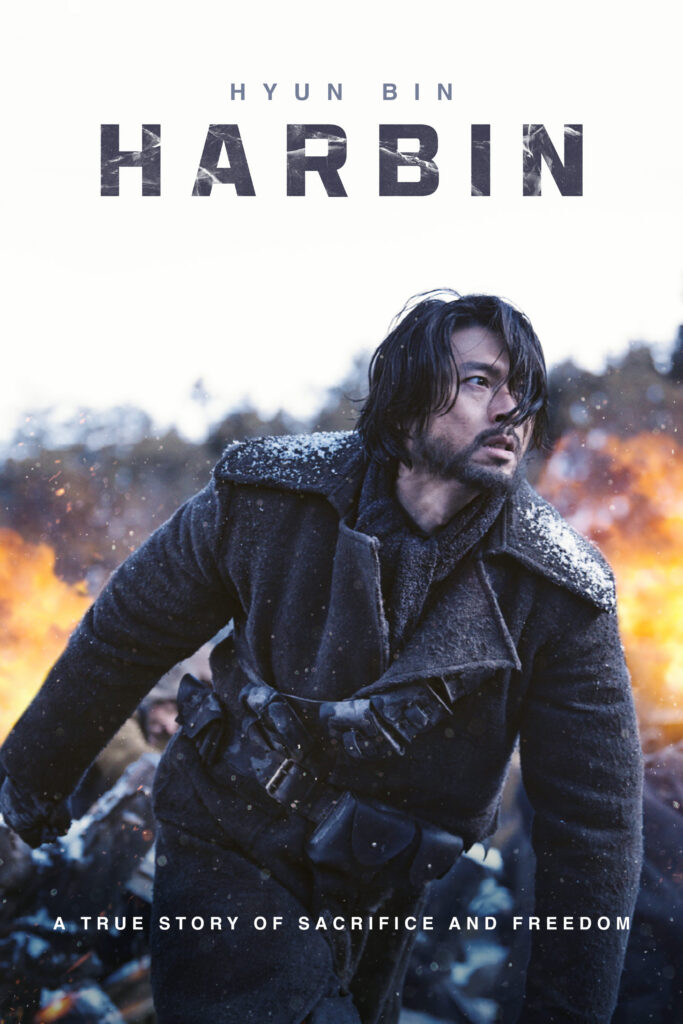
A Dangerous Mission in 1909
Harbin takes place during a pivotal period in Korean history.
By 1909, Korea was under Japanese colonial rule, and resistance fighters were continuing their efforts to regain the country’s sovereignty. Ahn Jung-geun becomes the leader of a secret operation targeting Itō Hirobumi, a major figure in Japan’s efforts to establish control over Korea.
The mission eventually takes the group to Harbin, China, where they plan to intercept Itō at the city’s railway station.
The journey is filled with uncertainty. Plans have to be kept secret, movements have to be carefully calculated, and the possibility of betrayal hangs over the entire operation.
That gives the film its thriller quality. Even when the historical destination is known, Harbin keeps the focus on the risks involved in getting there.
When the Enemy May Be Closer Than Expected
One of the film’s biggest sources of tension comes from within the resistance itself.
After a mission to procure explosives goes awry, Ahn begins to suspect that there is an informant among them.
Suddenly, the group has another problem to solve.
They aren’t only being pursued by Japanese forces. They also have to determine whether someone they trust is secretly working against them.
That uncertainty creates a constant sense of danger throughout the story. Every meeting and every decision carries the possibility of exposing the entire operation.
Hyun Bin as Ahn Jung-geun
At the center of Harbin is Hyun Bin, who takes on the role of Ahn Jung-geun.
The actor leads an ensemble cast that includes Park Jeong-min, Jo Woo-jin, Jeon Yeo-been, Yoo Jae-myung, Lily Franky, and Lee Dong-wook.
The film gives Ahn a strong sense of purpose, but it also places him in an increasingly complicated situation. He has to lead the mission while dealing with the possibility that the group has been compromised.
That makes Harbin less about a single heroic figure and more about the people surrounding him and the sacrifices required to keep the mission alive.
A Historical Thriller From Woo Min-ho
Harbin was directed by Woo Min-ho, whose filmography includes politically charged thrillers such as Inside Men and The Man Standing Next.
His approach to the material helps Harbin feel like more than a straightforward historical drama.
The film combines historical events with the pacing and suspense of a thriller, moving its characters between secret meetings, dangerous journeys, and confrontations with the forces pursuing them.
The production also traveled beyond Korea, filming in locations including Mongolia and Latvia to create the film’s cold and expansive environments.
The result is a story that feels appropriately large for the historical events it depicts while remaining centered on a relatively simple objective: reach Harbin and complete the mission.
The Real Story Behind Harbin
What makes the film particularly compelling is that its central mission is based on a real historical event.
On October 26, 1909, Ahn Jung-geun assassinated Itō Hirobumi at Harbin Railway Station.
Rather than beginning and ending with the assassination itself, Harbin focuses on the events leading up to it.
That allows the movie to explore the uncertainty surrounding the operation and the people who risked everything to carry it out.
For viewers unfamiliar with Ahn Jung-geun’s story, the film provides a dramatic introduction to one of the most significant figures in Korea’s independence movement.
Why Harbin Stands Out
Historical movies can sometimes feel distant from the people at the center of them. Harbin takes a different approach by building its story around the uncertainty of the mission.
The characters don’t know what awaits them at the end of the journey.
They don’t know who might betray them.
And they don’t know whether they’ll survive long enough to reach their destination.
That makes the historical setting feel immediate rather than simply educational.
It’s also a strong choice for anyone who enjoys Korean thrillers but wants something with a different setting and tone. Instead of a modern crime investigation or revenge story, Harbin draws its tension from a real political struggle and a mission that changed the course of Korean history.
A dangerous mission. A group of determined independence fighters. And a journey toward one of the most consequential moments in Korean history.
Watch Harbin on Amasian TV and follow Ahn Jung-geun’s mission from the resistance to Harbin Railway Station.

Escape: A Korean Thriller About One Man’s Fight for Freedom
What would you risk for the chance to decide your own future?
That’s the question at the center of Escape, a Korean action thriller about a soldier determined to leave his old life behind.
Directed by Lee Jong-pil, the film stars Lee Je-hoon as Sergeant Kyu-nam, a North Korean soldier stationed near the DMZ who has been secretly planning to cross the border into South Korea.
His plans become much more complicated when he catches another soldier, Dong-hyuk, attempting to escape.
Instead of exposing Kyu-nam, however, State Security Department Major Hyun-sang, played by Koo Kyo-hwan, recognizes him from childhood and decides to turn the situation to his advantage.
What follows is a tense pursuit between two men who have very different ideas about what it means to live freely.
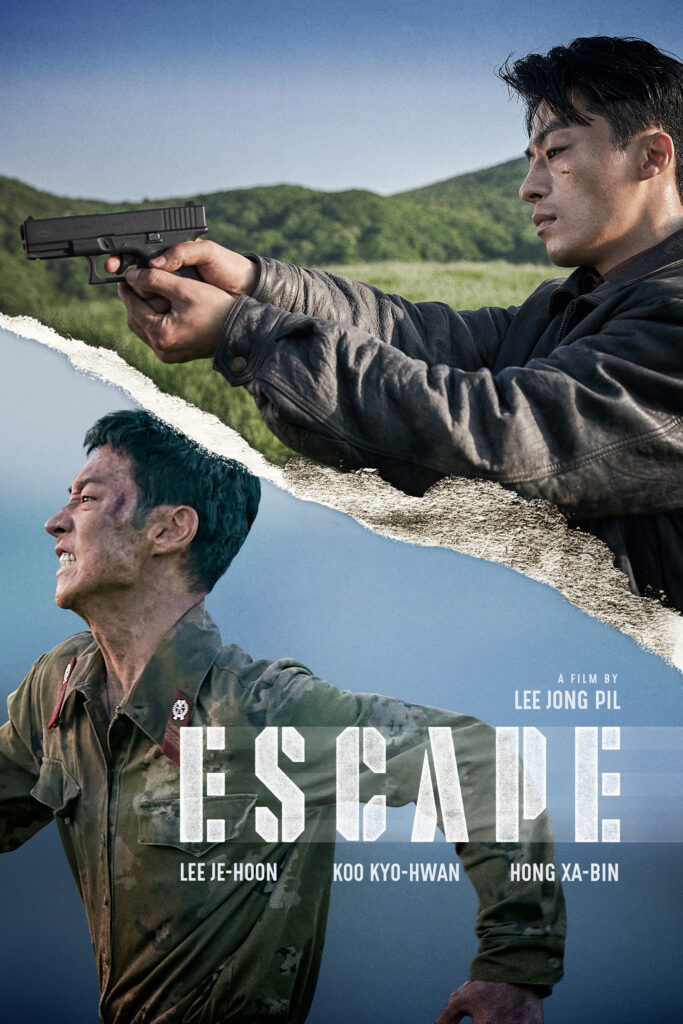
A Soldier With One Goal
Kyu-nam has spent years thinking about what his life could look like beyond the border.
Stationed at a military camp near the DMZ, he secretly prepares his own escape route. He knows the risks, but the possibility of choosing his own future is worth taking them.
Then another soldier attempts to defect.
Kyu-nam catches Dong-hyuk in the act, putting himself in a dangerous position. If his own plans are discovered, he could face severe consequences.
That’s when Hyun-sang steps in.
Rather than punish Kyu-nam, Hyun-sang presents him as a hero for catching the deserter. The decision protects Kyu-nam while also benefiting Hyun-sang’s own career.
But it doesn’t change Kyu-nam’s mind.
He still wants to escape.
Two Men With Very Different Ideas of Freedom
The relationship between Kyu-nam and Hyun-sang is what gives Escape much of its tension.
Kyu-nam wants to live according to his own choices rather than simply follow the path laid out for him.
Hyun-sang has taken the opposite approach.
He has built his position by giving up on his own dreams, and he sees Kyu-nam’s determination to escape as a threat to the life he has created.
That puts the two men on a collision course.
Kyu-nam is determined to move forward, while Hyun-sang becomes increasingly determined to stop him.
Their shared history makes the conflict more personal than a simple soldier-versus-authority story.
The DMZ Becomes the Starting Point for a Dangerous Escape
The film’s setting adds another layer of tension.
Kyu-nam is already stationed close to the Demilitarized Zone, but being near the border doesn’t mean crossing it will be easy.
His escape requires careful planning, timing, and a willingness to put himself in danger.
As the situation escalates, the movie shifts from a carefully planned escape into a much more desperate race for survival.
That keeps Escape moving at a brisk pace. With a runtime of 94 minutes, the film doesn’t spend much time away from Kyu-nam’s central objective.
Lee Je-hoon and Koo Kyo-hwan Lead the Film
Lee Je-hoon takes on the role of Kyu-nam, while Koo Kyo-hwan plays Hyun-sang.
The supporting cast includes Hong Xa-bin, Seo Hyun-woo, Lee Sung-wook, Jung Jun-won, Jang Young-nam, Song Kang, E Som, and Lee Ho-jung.
The contrast between the two leads is central to the film.
Kyu-nam is driven by the possibility of a different future, while Hyun-sang has built his life around protecting the position he already has.
Neither character is simply pursuing the other because of a straightforward set of orders. Their personal connection makes the chase increasingly complicated.
More Than Just a Chase Movie
On the surface, Escape is built around a straightforward premise: one soldier wants to cross the border, and another man wants to stop him.
But the film’s central idea goes beyond the physical escape.
Kyu-nam isn’t simply trying to get somewhere.
He’s trying to determine what happens to his own life.
That gives the action a stronger emotional purpose. Every obstacle is connected to the same question of whether Kyu-nam will actually be able to choose his own future.
The result is a thriller that combines military tension and action with a more personal story about freedom and ambition.
Why Watch Escape?
If you enjoy Korean action thrillers, Escape offers a slightly different take on the genre.
The movie doesn’t need an elaborate conspiracy or a massive ensemble to create tension. Its story is focused on one man’s determination to get across the border and the increasingly desperate efforts to stop him.
The pairing of Lee Je-hoon and Koo Kyo-hwan also gives the movie a strong central dynamic, with their characters approaching life from completely different directions.
It’s tense, fast-moving, and built around a simple question that becomes increasingly difficult to answer:
How far would you go to choose your own life?

5 Summer Action Blockbusters to Crush the Heatwave
Every year, the summer box office roars to life with the arrival of the popcorn blockbuster. When the weather gets stifling, nothing cuts through the humidity quite like a shot of pure, unadulterated cinematic adrenaline. If you are looking to escape the heat, Amasian TV is currently armed with a killer slate of hard-hitting Asian action blockbusters. Handpicked and fiercely vetted, here are five must-watch thrillers guaranteed to supercharge your summer.
1. The Villainess
A Breathless Masterclass in Inventive Killer Cinema

The Villainess follows Sook-hee, an elite assassin engineered from childhood to be a literal weapon of mass destruction. When she uncovers the web of secrets and conspiracies surrounding her past, it ignites a relentless, blood-soaked trail of vengeance. The film famously secured a Midnight Screening invite at the Cannes Film Festival, drawing rapturous praise from global critics. Its influence is undeniable—Hollywood even paid direct homage to the film’s iconic motorcycle chase in John Wick: Chapter 3 – Parabellum.
The film sets its stakes immediately with a jaw-dropping, seven-minute first-person POV opening sequence that plunges audiences into the fray like a hyper-violent video game. But director Jung Byung-gil doesn’t stop there. From a dizzying, high-speed motorcycle sword fight to a desperate, practical-stunt finale featuring characters clinging to the front of a speeding bus, the film single-handedly elevated the scale of Korean action cinema. Backed by the dark, fateful chemistry between powerhouse actors Shin Ha-kyung and Kim Ok-vin, The Villainess thrives on raw, CG-defying realism that feels wonderfully dangerous.
2. The Roundup
Bigger Scale, Harder Punches: The Monster Cop Returns

The Roundup is the explosive sequel that officially solidified The Outlaws as South Korea’s premier action franchise. The narrative sees the legendary, heavy-handed detective Ma Seok-do and his Major Crimes Unit head to Vietnam to extradite a suspect, only to cross paths with Kang Hae-sang, a ruthless killer terrorizing tourists. Upon release, the film became an absolute cultural phenomenon, shattering records to join Korea’s prestigious “Ten-Million Admissions” club.
The film dramatically ups the ante by shifting its canvas between Korea and Vietnam. Don Lee’s (Ma Dong-seok) signature, bone-shattering boxing style delivers a visceral, bass-heavy satisfaction that you can practically feel in your chest. The film’s claustrophobic, close-quarters climax inside a moving bus remains an absolute high-water mark for the genre. Bolstered by a terrifyingly charismatic villain turn from Son Suk-ku—who instantly shot to Hallyu stardom via My Liberation Notes—this is crowd-pleasing action at its finest.
3. Kill Zone 2
No Limits, No Wires: The Pinnacle of Martial Arts Realism

A gritty, old-school martial arts noir, Kill Zone 2 tracks an undercover cop who gets compromised during a sting operation against a Hong Kong organ trafficking ring, and the righteous prison guard who becomes his unlikely ally. The film generated massive hype by uniting an absolute pantheon of modern Asian martial arts royalty: Tony Jaa, Wu Jing, and Zhang Jin.
Director Cheang Pou-soi mounts a spectacular sense of scale, best exemplified by a sprawling, hundreds-strong prison riot captured in an ambitious long take. By stripping away standard green screens and keeping wirework to an absolute minimum, the choreography relies entirely on the genuine, elite-level martial arts prowess of its cast. Watching Thailand’s Ong-Bak icon Tony Jaa trade lightning-fast, intricately timed blows with Hong Kong’s finest masters offers a level of immersion that CGI simply cannot replicate—all while grounding the chaos in a surprisingly moving story of brotherhood.
4. Raging Fire
The Final, Blazing Masterpiece of a Hong Kong Legend

Raging Fire sets up an inevitable, catastrophic collision course between a highly principled veteran detective and his former protégé, a brilliant ex-cop pushed into the criminal underworld by a past betrayal. Serving as the final, posthumous film from legendary Hong Kong auteur Benny Chan (A Moment of Romance, Who Am I?), this neo-noir thriller paired superstars Donnie Yen and Nicholas Tse for a critically acclaimed, box-office-smashing run.
The film acts as a massive love letter to the golden era of Hong Kong cinema, staging colossal downtown shootouts and destructive car chases on a grand scale. The crowning jewel of the film is its finale: a breathless, claustrophobic church duel between Donnie Yen and Nicholas Tse utilizing collapsible batons and butterfly knives. Fueled by the tragic, emotional weight of two men on opposite sides of the law and Donnie Yen’s trademark, hyper-fast contemporary combat style, Raging Fire never lets its audience catch their breath.
5. The Man From Nowhere
The Atmospheric Apex of Korean Emotional Action
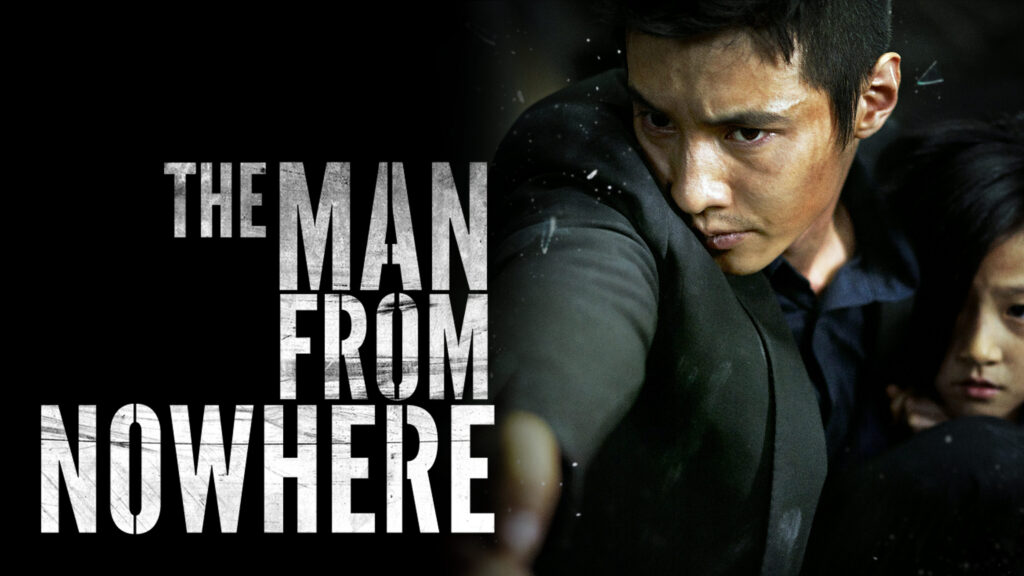
The Man From Nowhere requires no introduction; it is a legendary touchstone of modern Korean cinema. The film centers on Cha Tae-shik, a reclusive pawnshop keeper with a buried past as a black-ops shadow agent. When the only person who treats him like a human being—a neglected young girl living next door—is abducted by a ruthless organ-harvesting syndicate, he steps back into the light to tear the underworld apart.
Rather than relying purely on massive explosions, the film excels through sharp, stylish, and incredibly precise choreography. It introduced audiences to a stripped-down, lightning-quick combat style heavily influenced by Southeast Asian close-quarters martial arts (Silat and Kali). Memorable sequences abound, including a famous point-of-view shot where the camera plunges out of a window alongside Tae-shik, leading into a notoriously brutal, tight-room knife fight in the finale. Anchored by Won Bin’s mesmerizing, emotionally raw performance, the film delivers a rare cocktail of visceral thrills and deep emotional catharsis.