best detective korean series

Crime K-Dramas to Watch If You Loved ‘The Scarecrow’

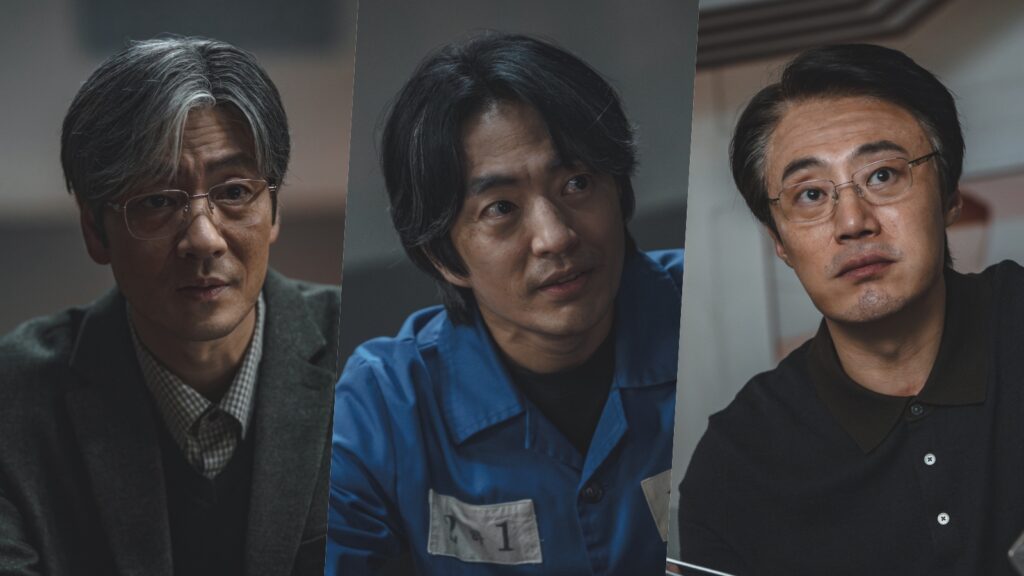
The truth has finally been revealed, but the scars remain unhealed. What began as a spine-chilling crime thriller, gradually evolved into a heavy commentary on the systemic tragedies caused by serial atrocities. The Scarecrow looked past the raw brutality of the infamous Lee Chun-jae serial murders, a case that shook South Korea, to examine the abuse of institutional power and the enduring grief of the victims’ families.

If you’re looking for another series with that same emotional weight, here are four excellent crime K-dramas that explore justice, survival, and the darker side of human nature.

Gapdong (2014)

best detective korean series
Credit: CJ


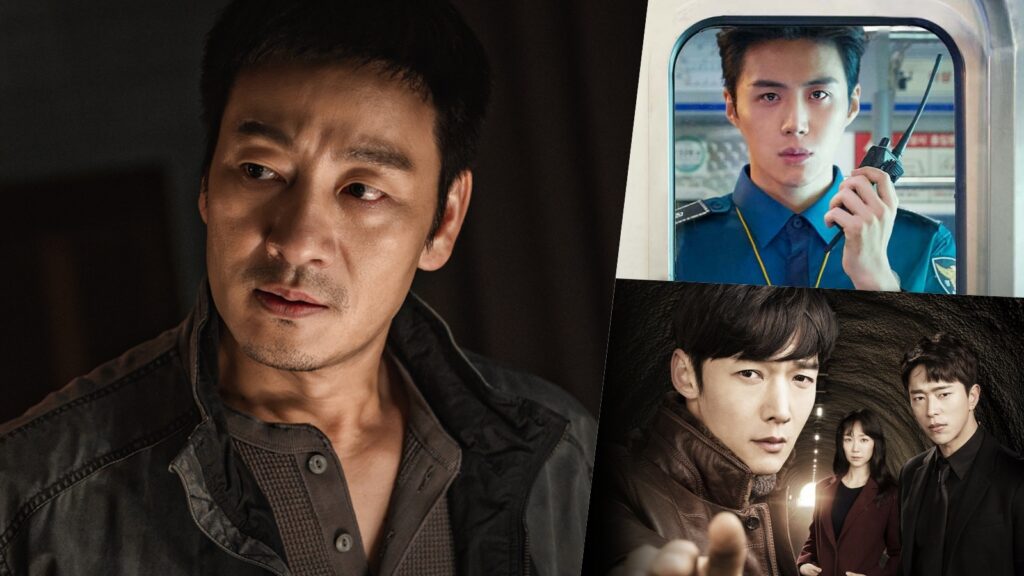
Like The Scarecrow, Gapdong draws inspiration from the real-life Lee Chun-jae case. However, while The Scarecrow approaches the subject with a socially critical lens, Gapdong chooses to maximize the genre appeal of a pure crime thriller by focusing on specific elements of the actual investigation. The series ups the tension by introducing a copycat killer into the already high-stakes game of cat-and-mouse between a haunted detective and an elusive murderer.

The performances significantly elevate the drama, showcasing the early roles of Lee Joon and Kim Ji-won, both of whom have since become top-tier actors. Lee Joon delivers a chilling, breakout performance as a psychopathic killer, while Kim Ji-won brings a vital spark to the otherwise bleak and heavy atmosphere as a bright, cheerful high school student.

Tunnel (2017)

best detective korean series
Credit: CJ


If Detective Kang Tae-joo (Park Hae-soo) from The Scarecrow had slipped through time to the present day, he might have uncovered the full truth of his case much sooner. Tunnel thrives on that exact of desperate imagination. Also heavily influenced by the Lee Chun-jae murders, this sci-fi infused thriller follows Park Gwang-ho (Choi Jin-hyuk), a 1986 detective who pursues a serial killer into a mysterious tunnel, only to find himself transported 30 years into the future. There, he forms an unlikely partnership with a modern-day investigator, Kim Sun-jae (Yoon Sun-min).

Though early episodes drew inevitable comparisons to the hit drama Signal due to its time-slip premise, Tunnel quickly established its own identity with a steady, confident plot that boldly reveals the culprit’s identity early on. Much like The Scarecrow, the series never loses sight of its humanity, offering comfort to the victims whose suffering was hidden behind the brutal headlines.

Voice 2 & 3 (2018–2019)

best detective korean series
Credit: CJ


Have you ever made an urgent phone call in an unexpected crisis? Voice explores the lives of the emergency call center agents serving as the frontline of criminal investigations. The concept of “voice profiling,” uncovering the truth entirely through sound, provides a unique and thrilling layer to the otherwise standardized procedural format. Across all four seasons, Lee Ha-na anchors the show as a profiler gifted with perfect hearing. The show keeps things fresh by pairing her with different high-profile co-stars like Jang Hyuk, Lee Jin-wook, and Song Seung-heon.

Every season has strong characters, but Seasons 2 and 3 shine because of Detective Do Gun-woo, a brilliant investigator fighting his own psychopathic tendencies. Lee Jin-wook masterfully navigates the complex emotions of his lone-wolf character. If you want to experience Lee’s signature charm at its absolute best, this two-season arc is highly recommended.

Catch the Ghost (2019)

best detective korean series
Credit: CJ


If you are looking for a break from the heavy, grim narratives, Catch the Ghost offers a lighter option by blending a criminal investigation with comedy and romance. The series follows a subway police squad tracking down a serial killer known as the “Subway Ghost” while still handling everyday crimes that occur beneath the bustling streets of Seoul.

The drama turns the mundane, everyday subway system into a crime scene, making the setting instantly intriguing. However, the real heart of the show is the chemistry between Moon Geun-young and Kim Seon-ho as two detectives who find themselves falling for each other over the course of their investigations. Moon delivers a convincing, grounded performance that cuts through her character’s occasionally frustrating traits, while Kim Seon-ho earns widespread praise by bringing his signature smile and pure-hearted romantic charm to the screen.

All the series featured in this article can be watched for free on Amasian TV.

Share: Facebook Twitter Linkedin
The Scarecrow ending

‘The Scarecrow’ Finale Rewrites the K-Thriller Playbook

By the time the credits rolled on the finale of ENA’s breakout thriller The Scarecrow, one thing was abundantly clear: this was never just a whodunit.

Wrapping up its highly acclaimed run, the series shattered its own viewership records, pulling in a staggering 8.1% nationwide rating for its final episode. Audiences who tuned in for a standard serial-killer procedural were instead treated to a tragic, Shakespearean conclusion that has set social media ablaze and cemented the drama as one of the year’s most culturally resonant television events.

Here is a breakdown of the shocking finale, the ultimate unmasking of the 1988 mystery, and how viewers are responding to the dark, uncompromising climax.

The Scarecrow ending
Credit: Studio Genie

The Ultimate Reveal: Who Was the Real Monster?

For weeks, viewers have debated the true identity of the 1988 accomplice hiding behind the confirmed 2018 killer, Lee Yong-woo. The finale delivered a breathtaking gut-punch: the mastermind was none other than Lee Ki-hwan (played with chilling restraint by Jung Moon-sung), the seemingly mild-mannered bookstore owner and older brother to the tragically scapegoated Ki-bum.

However, The Scarecrow subverted expectations by revealing that Ki-hwan’s monstrous actions were directly cultivated and protected by the ultimate antagonists of the series: Cha Si-young (Lee Hee-jun) and his elite, untouchable family.

The finale exposed that Cha Si-young’s desperate, violent campaign to fabricate confessions and frame innocent “scarecrows” like Ki-bum and Im Seok-man wasn’t merely about protecting police performance records. It was a draconian cover-up to protect his father—a former military general—who had utilized the 1988 murders to instill public fear and consolidate political power during a volatile era.

The Scarecrow ending
Credit: Studio Genie

The Fall of the House of Cha and a Bitter Resolution

The climax was nothing short of cinematic. Detective Kang Tae-joo (Park Hae-soo), stripped of his badge but fueled by pure, unadulterated tenacity, cornered Cha Si-young in a masterfully directed confrontation. There was no clean, triumphant victory. Cha Si-young was arrested, but his final, unrepentant glare into the camera left viewers with a haunting reminder of the privilege that toxic power affords.

Meanwhile, Tae-joo’s sister Sun-young (Seo Ji-hye) found a semblance of peace, though forever scarred by the trauma. In a bittersweet closing shot, Tae-joo walks away from the police precinct for good, realizing that while he caught the monsters, the machine that created them remains intact.

Viewer Reactions: Heartbreak, Horror, and High Praise

The internet has been in a state of collective shock since the broadcast ended, with hashtags related to the finale trending globally on X (formerly Twitter) and flooding Reddit discussion boards.

  • Praise for the Performances: Critics and fans alike are calling for immediate award nominations for the leading cast. Park Hae-soo is being universally praised for his grounded, exhausted portrayal of a righteous man broken by the system. However, it is Lee Hee-jun who is dominating the conversation; his portrayal of Cha Si-young is being hailed as one of the most terrifying, cold-blooded villains in recent television history.
  • Justice for Ki-bum: The tragic fate of Lee Ki-bum (Song Geon-hee) left a deep wound in the fandom. Viewers expressed heartbreak over the sheer brutality of his false confession arc. “Ki-bum was the soul of the show. Seeing him crushed by Cha Si-young’s ambition is the most realistic and depressing thing I’ve watched all year,” noted one top-voted comment on a popular K-drama forum.
  • A Hauntingly Realistic Conclusion: Unlike many network dramas that tie everything up with a neat, happy bow, fans are applauding The Scarecrow for its bleak authenticity. The consensus is that the lack of a traditional “happily ever after” perfectly serviced the show’s core theme: corruption doesn’t just disappear when one bad apple is removed.
The Scarecrow ending
Credit: Studio Genie

Industry Impact

The Scarecrow marks a monumental win for the ENA network, proving that premium, dark, and politically charged narratives can thrive on linear television. By sidestepping the predictable tropes of the genre and leaning into ground-level human tragedy and top-tier systemic corruption, the series has undoubtedly raised the bar for future K-thrillers.

As the dust settles, The Scarecrow will be remembered not just for the mystery it unraveled, but for the devastating mirror it held up to the reality of unchecked power.

The Scarecrow are now available to stream for free on Amasian TV.

Share: Facebook Twitter Linkedin