
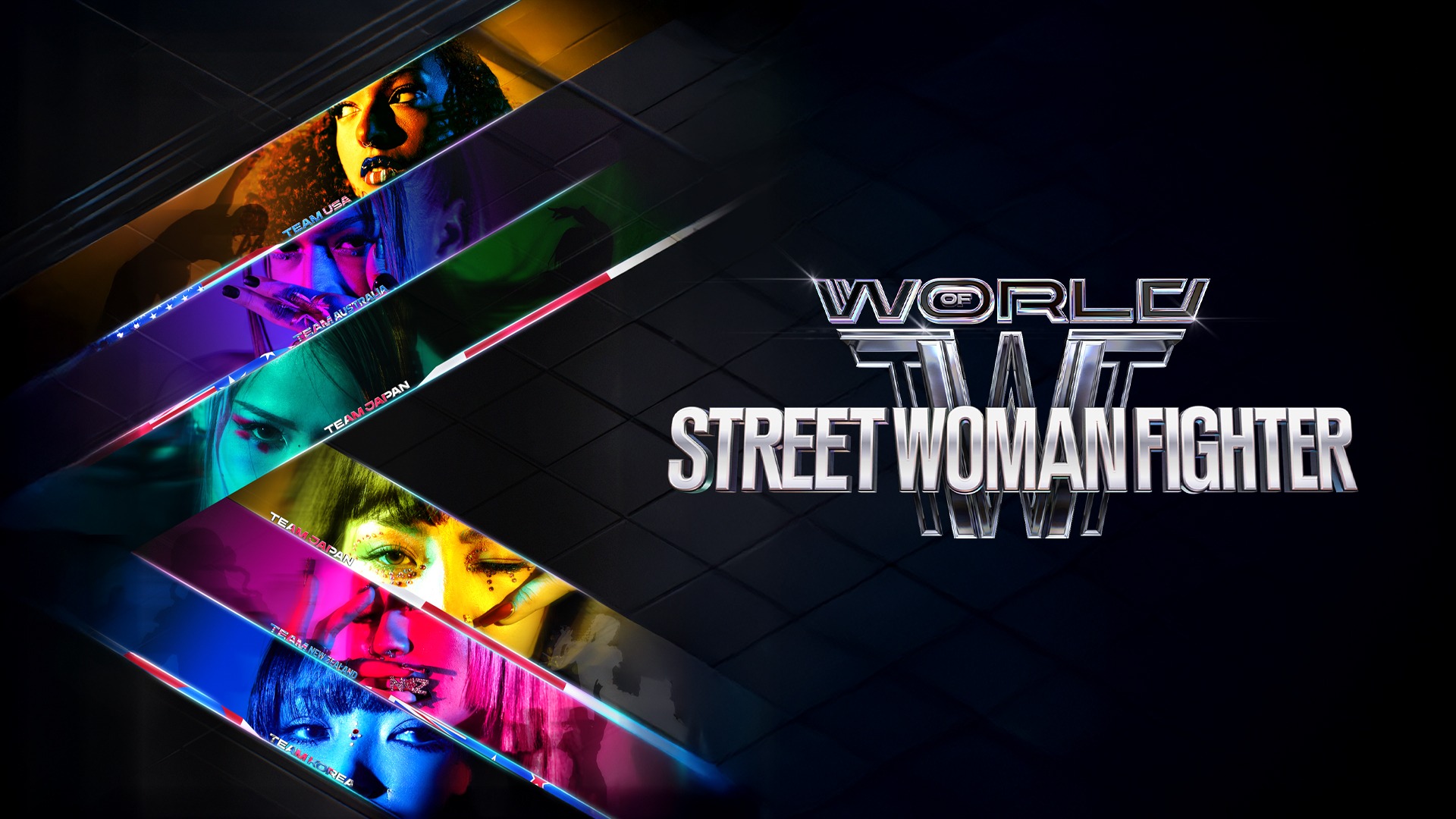
If you’ve ever watched a K-pop music video and found yourself paying as much attention to the dancers as the idols, World of Street Woman Fighter is worth your time. The show puts professional dance crews at the center of the story, and its 2025 season takes the competition beyond South Korea for a five-country showdown.
Six crews entered the competition: AG SQUAD from Australia, BUMSUP from South Korea, MOTIV from the United States, OSAKA Ojo Gang and RHTokyo from Japan, and ROYAL FAMILY from New Zealand. They weren’t there to serve as backup dancers or make someone else’s performance look good. They were the main event.
And that shift in perspective is what makes the series so satisfying to watch.
The Crews Have More Than Different Choreography
One of the easiest mistakes to make when watching a dance competition is to judge every performance by the same standard. Who had the cleanest formations? Who hit the hardest? Who had the most difficult choreography?
Those things matter, but World of Street Woman Fighter is more interesting when you start paying attention to each crew’s identity.
MOTIV, led by Marlee, brought a strong hip-hop sensibility to the competition. Their Mega Crew performance, in particular, sparked discussion about how it captured an American identity without leaning too heavily on obvious imagery. Some viewers compared its visual style to a Nike or Apple campaign; others focused on how the choreography communicated its message.
AG SQUAD took a different route. Its Mega Crew performance drew on Australian landscapes, wildlife, and cultural identity, with an ambitious outdoor shoot that made the production feel almost cinematic. It was visually striking, although some viewers felt the camera work occasionally competed with the dancing.
Then there’s BUMSUP, the Korean crew assembled from familiar faces from earlier Street Woman Fighter seasons. With leaders including Honey J, Hyojin Choi, Gabee, Lee Jung, Noze, Aiki, Rihey, and waacking dancer Lip J, the team arrived with plenty of history and expectations attached. Their Mega Crew stage was a particular talking point, with viewers praising its scale, formations, and references to the show’s earlier seasons.
The Japanese crews brought their own approaches, too. OSAKA Ojo Gang had a particularly memorable presence, while RHTokyo brought the vision of choreographer Rie Hata to the competition.
The Mega Crew Mission Is a Highlight
If there’s one part of the season I’d recommend watching even if you’re not ready to commit to the whole series, it’s the Mega Crew mission.
The challenge gives the teams room to think on a much larger scale. Instead of simply putting together a routine for a handful of dancers, they have to create a performance that uses a much bigger group and makes the most of the space, camera, and concept.
It also gave viewers plenty to disagree about.
BUMSUP’s performance was widely praised for delivering the scale and formations people expect from a Mega Crew stage. MOTIV’s approach stood out for its sense of identity and visual storytelling. AG SQUAD’s outdoor production was ambitious, while OSAKA Ojo Gang brought a distinct Japanese aesthetic to its performance.
The interesting part is that there wasn’t one universal definition of a successful stage. Some viewers wanted to see more continuous dancing and fewer cinematic cuts. Others loved the way the crews used editing and storytelling to create something that felt bigger than a traditional stage performance.
I think that’s a much more interesting debate than simply asking who danced best.
Familiar Faces, New Combinations
For longtime fans of the Street Woman Fighter franchise, BUMSUP is an obvious draw. Seeing leaders from the original season reunite in one crew is a little surreal, especially when you remember how fiercely they competed against each other before.
But the international lineup is just as important. The show introduces viewers to dancers and choreographers who may not already have a large K-pop following. That makes it a good discovery platform for anyone interested in the people behind the performances, not just the idols performing them.
The judging panel also reflects that broader dance world, with J.Y. Park, choreographer Aliya Janell, and The Kinjaz co-founder Mike Song.
Why It’s Worth Watching
World of Street Woman Fighter is at its best when it lets the crews show what makes them different. It’s a competition, certainly, but it’s also a showcase of dance cultures, creative instincts, and the personalities behind some seriously ambitious performances.
You might start out rooting for BUMSUP because you recognize the leaders, then find yourself replaying MOTIV’s Mega Crew video or looking up OSAKA Ojo Gang after a particularly memorable stage. That’s part of the fun: the show gives you several new crews to follow, not just one winner to celebrate.
Watch World of Street Woman Fighter on Amasian TV, including the English-dub version. Whether you’re a longtime fan of the franchise or someone who usually discovers dance through K-pop performances, it’s a chance to see the dancers take center stage.