
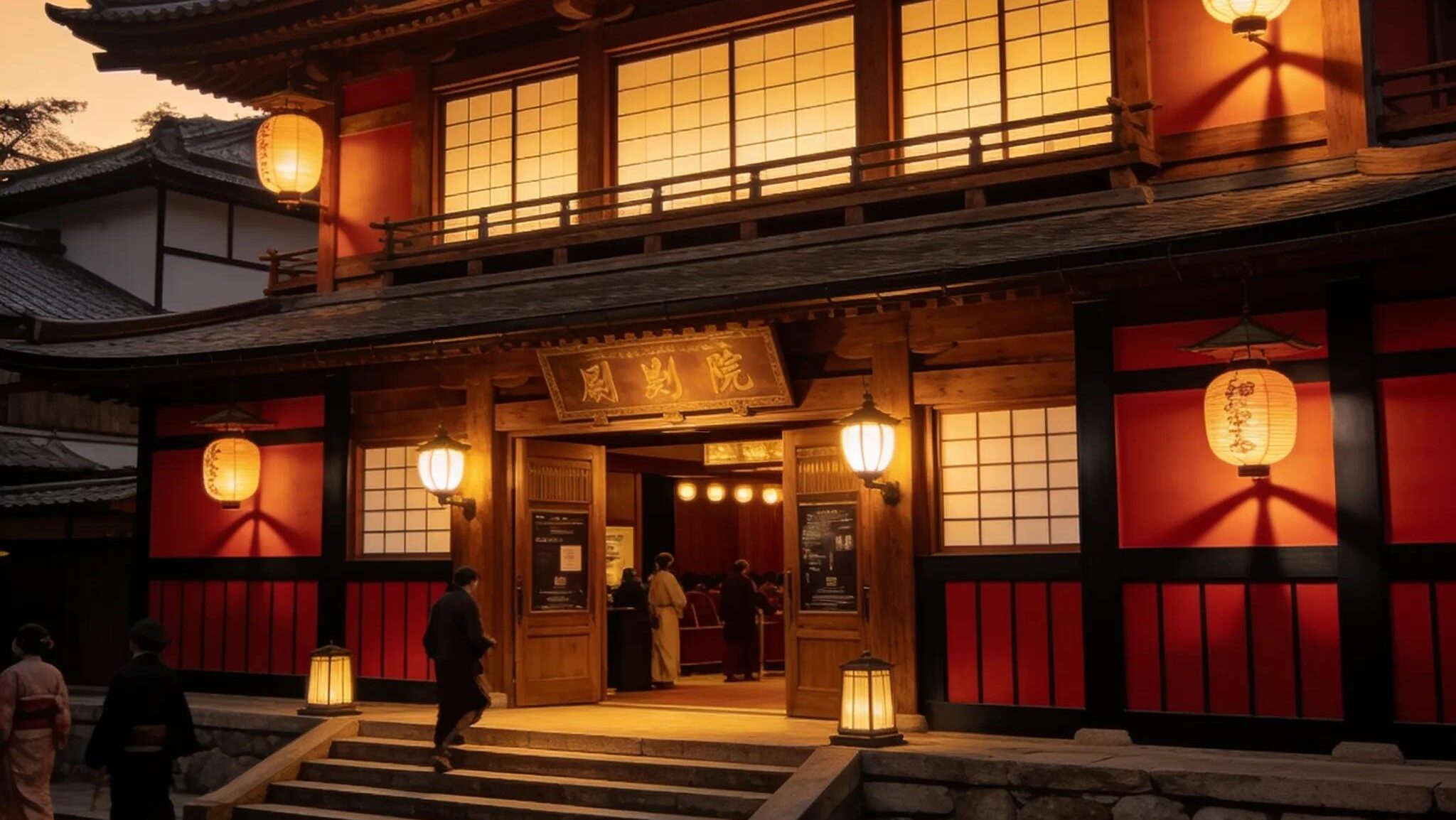
Japanese Cinema Guide: Explore Anime Films, Live Action, and Classic Japanese Movies
Japan’s film industry represents a dynamic and culturally rich domain, celebrated globally for its distinctive storytelling and artistic innovation across multiple genres, including anime films, live action, and classic cinema. This guide offers an authoritative overview of the genre-defining anime films, the profound influence of live action works, and the historical movements that have sculpted classic movies from Japan. By examining seminal films, the visionaries behind them, and the best platforms for viewing, we aim to enhance your appreciation and deepen your understanding of Japan’s cinematic heritage and ongoing contributions grounded in well-established analyses and critical scholarship.
What are the Best Anime Films to Watch in Japanese Cinema?
Anime films, a cornerstone of the country’s film tradition, revolutionize visual storytelling by merging emotionally resonant narratives with exceptional artistry. These films not only reflect Japan’s cultural identity but also engage global audiences with their innovative animation and profound thematic depth. Below, we highlight landmark anime films that exemplify these qualities and have garnered international acclaim, supported by notable industry recognition and comprehensive critical studies.
Which Studio Ghibli movies define classic anime cinema?
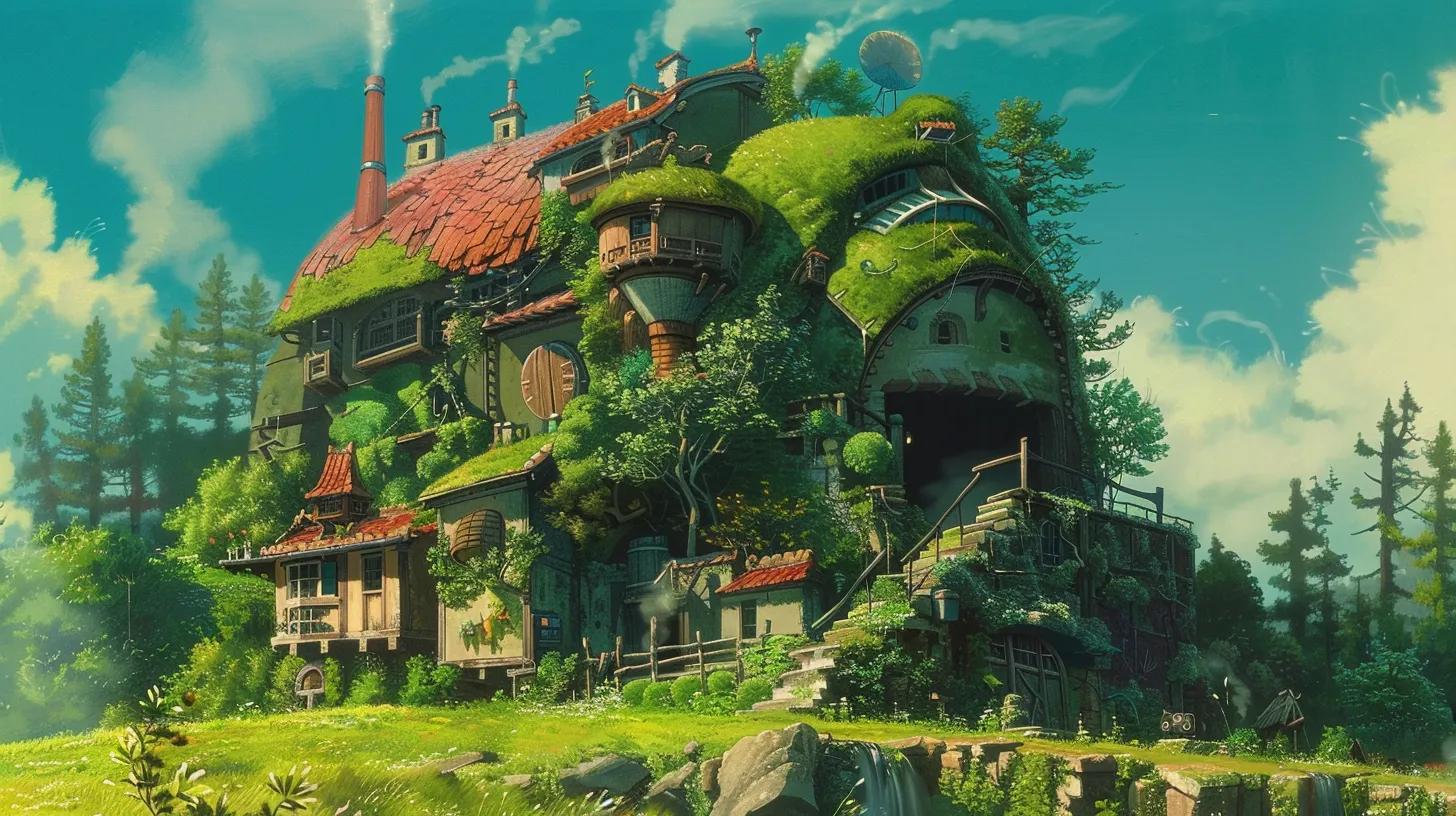
Studio Ghibli stands as a monumental force in anime, revered for its masterful fusion of hand-drawn animation and storytelling layered with profound philosophical and environmental themes. Films like Spirited Away—recipient of the 2003 Academy Award for Best Animated Feature and frequently cited in scholarly analyses for its narrative complexity—capture viewers with their intricate world-building and universal appeal. Similarly, My Neighbor Totoro embodies the warmth of childhood innocence and has become a cultural icon worldwide, while Princess Mononoke critically examines the complex relationship between humanity and nature, offering environmental discourse relevant to global ecological studies. These works collectively set unparalleled standards for artistic quality and narrative sophistication within anime cinema and have profoundly influenced both academic discussions and popular culture, consistently referenced in peer-reviewed film studies and environmental humanities literature.
What recent anime films by Makoto Shinkai should you not miss?
Makoto Shinkai has emerged as a visionary in contemporary anime filmmaking, noted for elevating the medium with breathtaking visuals and emotionally charged narratives. His critically acclaimed films—Your Name and Weathering With You—are extensively analyzed for their exploration of temporality, destiny, and interpersonal connection with poetic subtlety, featuring innovative use of digital animation techniques and storytelling that resonate across cultures. Shinkai’s meticulous attention to atmospheric detail and character-driven storytelling has earned widespread commercial success and critical recognition, marking his works as essential viewing for a comprehensive understanding of modern anime’s evolution. His films are frequently discussed in contemporary film theory, animation technology research, and cross-cultural media studies.
Which Live Action Japanese Films Are Must-See Classics and Contemporary Hits?

The realm of live action cinema from Japan offers profound insights into societal issues and human psychology through compelling narratives spanning historical epochs to contemporary settings. Its impact is underscored by films that merge innovative direction with culturally resonant storytelling, reflecting Japan’s evolving identity and inspiring international cinematic movements. This genre’s contributions are well-documented in film historiography and cultural studies, reaffirming its global significance.
How have Akira Kurosawa’s films shaped live action cinema?
Akira Kurosawa’s pioneering work is foundational to both the country’s and global cinema, revolutionizing narrative form and cinematic technique. Films such as Seven Samurai and Rashomon are hallmarked by their complex character portrayals, moral ambiguity, and exploration of truth, honor, and justice. Kurosawa’s innovative use of cinematic elements—ranging from cinematography innovations like the multiple-camera setup and telephoto lens to nonlinear narrative structures—has influenced filmmakers worldwide, from Hollywood auteurs to contemporary directors. His films are widely studied in film academies, cited extensively in scholarly literature, and retain significant cultural capital, underpinning discussions on the universality of storytelling and the power of visual language.
What are notable live action adaptations of anime stories?
The adaptation of anime narratives into live action presents unique artistic challenges and opportunities, aiming to translate animated worlds into tangible cinematic experiences while navigating fans’ high expectations and narrative fidelity. Examples such as Attack on Titan and Death Note have sparked critical discourse regarding adaptation practices, balancing visual spectacle with character depth. Critical reception varies; however, successful adaptations can expand the reach of beloved stories, introducing them to broader audiences and enriching cross-medium appreciation. These works provide fertile ground for academic examination of transmedia storytelling, adaptation theory, and cultural translation in contemporary cinema.
How to Explore Classic Japanese Cinema: History, Influential Films, and Movements
Classic films from Japan provide a vital window into the cultural and artistic evolution of the nation, shaped by transformative historical periods and innovative movements that redefined film language, social commentary, and aesthetic philosophies. This section synthesizes findings from authoritative historical and critical sources to present a solid understanding of this cinematic heritage.
What defines the Japanese New Wave and key films from the 1950s-70s?
The Japanese New Wave, catalyzed in the late 1950s and continuing through the 1970s, marked a seismic shift toward cinematic experimentation and social critique. Directors challenged established norms by addressing provocative themes—such as sexuality, politics, and existential anxiety—breaking away from traditional studio constraints. Notable films like The Pornographers and A Woman’s Place illustrate the movement’s radical engagement with post-war identity, rebellion against censorship, and formal innovation. This period fostered a spirit of artistic rebellion, promoting auteur-driven visions that interrogated Japan’s rapidly modernizing society and left an indelible mark on both domestic and international cinema scholarship, as confirmed by extensive film historiography and sociocultural analyses.
Who are the influential directors behind classic Japanese movies?
Highly regarded auteurs like Yasujiro Ozu and Kenji Mizoguchi have profoundly shaped the aesthetic and thematic contours of Japanese filmmaking. Ozu’s understated, contemplative direction—as epitomized in Tokyo Story—explores familial bonds and societal change with subtlety and grace, employing static camera techniques and unique framing that have become hallmark approaches to narrative minimalism. Mizoguchi’s oeuvre, including Ugetsu, addresses the struggles of women within rigid social hierarchies, combining stylistic elegance with profound narrative depth. Their enduring legacies provide essential context for appreciating the cultural nuances embedded in classic Japanese filmmaking and continue to be extensively studied for their contributions to global film history, theory, and practice, supported by comprehensive academic research and critical publications.
Where to Stream Japanese Movies: Best Platforms for Anime, Live Action, and Classics
Digital streaming platforms have democratized access to Japan’s films, enabling global audiences to experience a diverse array of anime and live action productions with unprecedented convenience and quality. Evaluations of platform availability and user accessibility are regularly updated and verified by industry reports and user reviews.
Which streaming services specialize in Japanese anime films?
For aficionados of anime, the following streaming services offer curated selections that encompass both contemporary hits and classics, often delivering content in high definition with multiple subtitle and dub options to ensure accessibility:
- Crunchyroll: Renowned for an expansive catalog of anime series and films, featuring simulcasts and a user-friendly interface catering to enthusiasts, with regular updates reflecting industry trends and audience demand. It is widely regarded as an authoritative source for anime streaming as per market analysis.
- Funimation: Offers a robust library with options for both dubbed and subtitled content, alongside exclusive premieres augmenting its anime repertoire, supported by strong partnerships with Japanese studios for timely releases. Funimation’s specialization in localization is evaluated positively in scholarly and trade discussions.
- Netflix: Continuously expanding its anime portfolio, including original productions that push narrative boundaries and appeal to mainstream and niche audiences alike, often investing in high production value and global marketing strategies. Netflix’s growing role is corroborated by data on international content distribution.
How do regional restrictions affect access to live action and classic Japanese films?
Licensing limitations often result in geographic restrictions, impacting availability of certain live action and classic films from Japan on streaming platforms. This fragmentation poses significant accessibility challenges for international viewers seeking comprehensive exposure to the country’s cinematic heritage. Many users employ VPN services to circumvent such restrictions, enabling broader access and fostering global cultural exchange through film. Industry discussions around licensing reform and expanded distribution highlight ongoing efforts to increase availability and preserve cultural artifacts within digital platforms, as documented in recent media industry studies.
Who Are the Top Japanese Directors and Studios Influencing Cinema Today?
Modern filmmaking in Japan continues to be shaped by visionary directors and pioneering studios whose works command global attention and critical acclaim, influencing international film trends and industry practices. Profiles and critical assessments are grounded in film theory and current cultural discourse.
What are the hallmark styles of directors like Hayao Miyazaki and Takeshi Kitano?
Hayao Miyazaki’s films are distinguished by their richly imaginative worlds, nuanced characters, and profound environmental and philosophical themes. Works such as Spirited Away and My Neighbor Totoro articulate a reverence for nature and personal growth, blending fantasy with heartfelt human experience. These films have been extensively studied for their narrative structure, animation techniques, and cultural symbolism, often cited in academic journals and environmental humanities. In contrast, Takeshi Kitano’s films—including Hana-bi and Sonatine—are noted for their minimalist yet impactful storytelling, often juxtaposing serene moments with stark violence to explore the complexities of life and identity. Kitano’s unique blend of humor and existential reflection has earned him international following and critical discourse around genre-bending approaches, supported by substantial cinematic analyses. Together, these auteurs epitomize the breadth and depth of contemporary filmmaking in Japan, reflecting divergent yet complementary artistic philosophies evidenced in critical literature and film festival retrospectives.
How do major studios contribute to the global Japanese cinema landscape?
Studios like Toho and Shochiku play pivotal roles in nurturing talent and producing films that balance commercial appeal with artistic integrity. Toho, internationally renowned for the Godzilla franchise, exemplifies adaptability by blending traditional filmmaking craftsmanship with popular genres, thereby reaching diverse audiences and contributing significantly to the kaiju and science fiction filmography. Shochiku’s focus on art house cinema emphasizes existential and societal themes, advancing Japan’s reputation for thoughtful, provocative storytelling that resonates within international film festival circuits and cinematic scholarship. Their sustained contributions facilitate the global dissemination and appreciation of Japanese cinematic culture, bridging local narratives with universal themes while fostering innovation through collaborations and emerging technologies, as outlined in industry reports and film production analyses.