
Historical Drama Analysis: Minglan, Costumes, and Context for Insightful Viewing
Historical dramas serve as a vibrant reflection of culture and societal norms, intricately weaving narratives that resonate with both the past and present. Minglan stands out as an exemplary work in this genre, distinguished by its meticulous attention to historical detail and nuanced exploration of traditional values. This article provides an authoritative analysis of the essential components that define Minglan, including a detailed character study, the profound influence of Confucian family principles, the critical role of traditional Chinese costume design, and the rich historical context that frames its narrative. An informed understanding of these elements affords viewers a deeper appreciation of the series’ cultural and historical significance, enhancing engagement with its storytelling and thematic depth.
What defines the Minglan TV series and its plot structure?
Minglan captivates audiences through its sophisticated narrative blending personal ambitions with stringent familial duties. Set during the Song Dynasty, the series authentically portrays the sociopolitical and cultural complexities of the era, focusing on a young woman skillfully navigating the intricacies of hierarchical family structures and societal expectations. The plot is thoughtfully structured around a sequence of pivotal events encapsulating the protagonist’s resilience and maturation. Central themes of loyalty, love, and the pursuit of autonomy are intricately developed, positioning Minglan not merely as a historical piece but as a resonant exploration of enduring human experiences. Its layered narrative structure allows for complex character developments and nuanced explorations of gender and power dynamics rarely captured in similar series.
Who are the main characters and what themes shape Minglan?
At the core of Minglan is a well-developed ensemble of characters whose depth and complexity drive the narrative’s progression. Sheng Minglan, the protagonist, exemplifies steadfast perseverance as she balances filial responsibilities with her personal desires. Comprehensive character arcs elucidate pivotal themes such as familial loyalty, the societal and personal challenges of womanhood in the Song Dynasty, and the nuanced interplay between individual aspirations and collective norms. The relational dynamics between Minglan, her grandmother, and her romantic counterparts offer viewers profound insights into the emotional and ethical challenges that shape the era’s social fabric, substantially enriching the series’ layered storytelling. Furthermore, secondary characters are crafted with psychological intricacy, reflecting diverse perspectives on duty, ambition, and morality, which contribute to a holistic portrayal of the period’s social landscape.
How does Minglan illustrate Confucian family values?
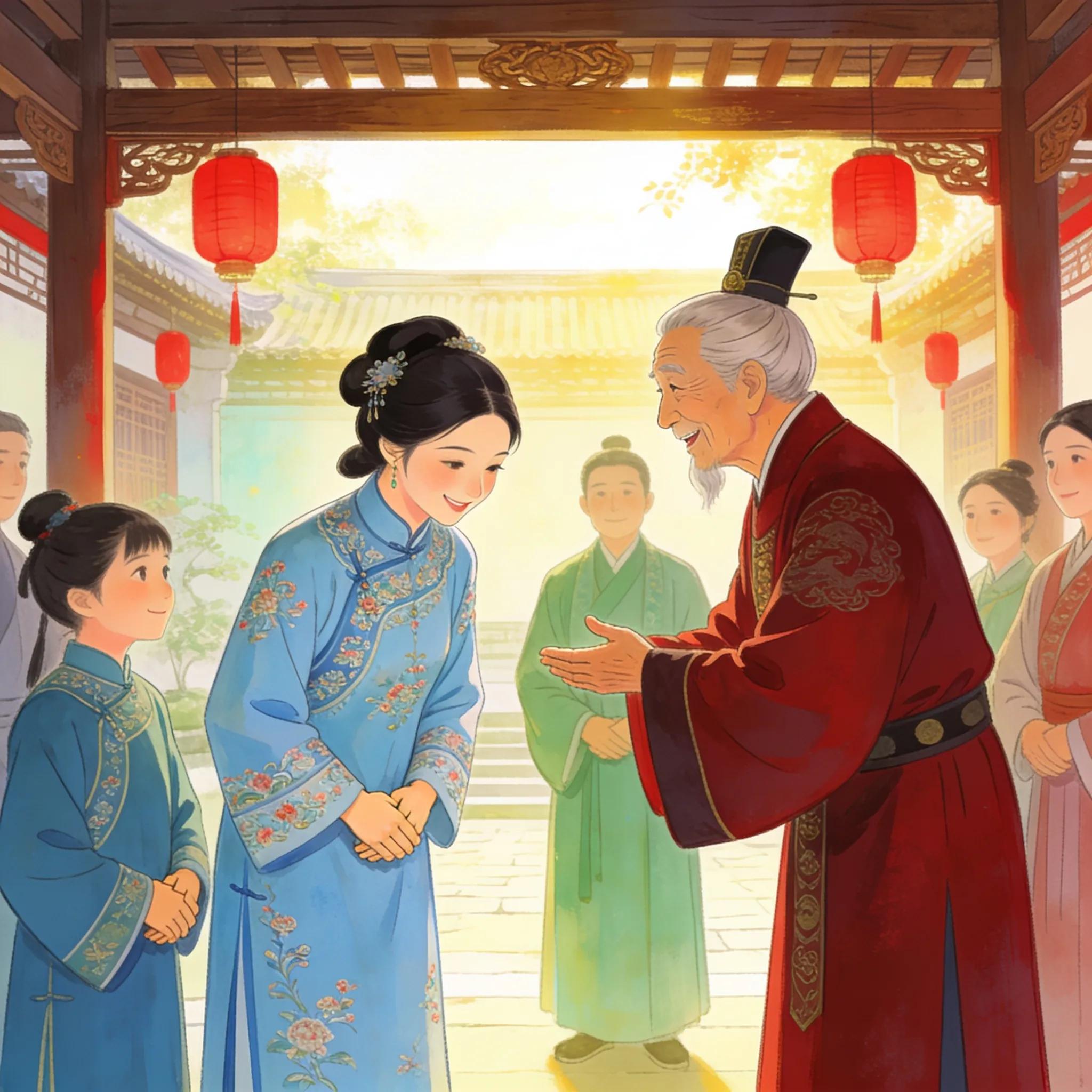
The depiction of Confucian family values in Minglan is meticulously crafted, offering an insightful portrayal of principles such as hierarchical respect, filial piety, and unwavering loyalty within the family unit. These values are rigorously integrated into character motivations and pivotal plot developments, serving as a critical framework for interpersonal dynamics and moral decision-making. For example, Minglan’s deference and dedication to her elders exemplify these ideals, underscoring their profound significance in shaping individual identity and social cohesion. This representation not only authenticates the historical milieu but also provides a nuanced understanding of how Confucian ethics influenced familial relationships and societal expectations during the Song Dynasty. The drama also critically engages with these values, highlighting moments of tension and reinterpretation that illustrate the lived complexities of adhering to such principles in a changing society.
How do traditional Chinese costumes shape storytelling in Minglan?
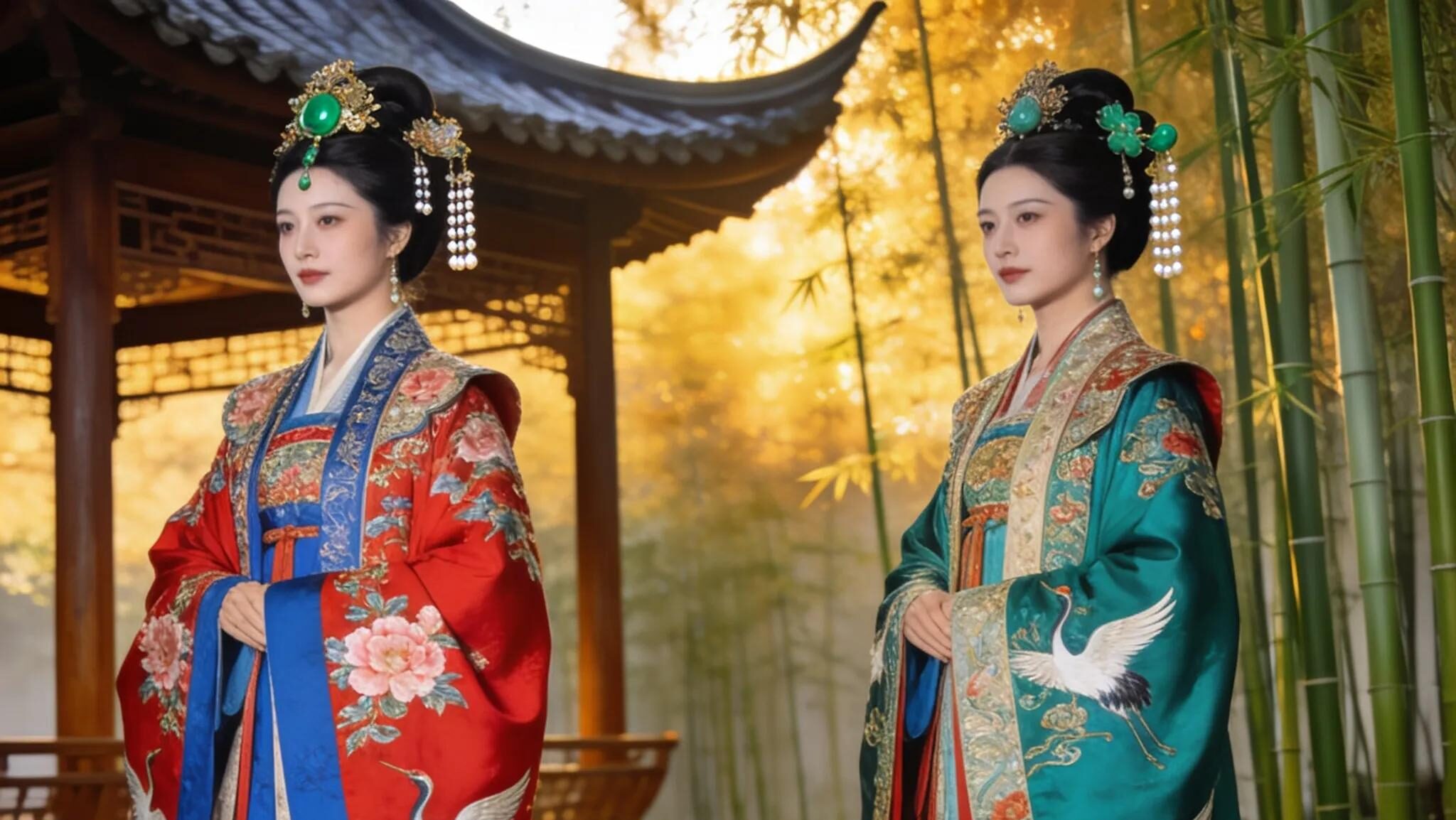
Costuming in Minglan is an indispensable narrative device, thoughtfully designed to convey character development and reinforce cultural authenticity. The costumes’ intricate craftsmanship and use of traditional Hanfu styles meticulously reflect social status, personality traits, and relational dynamics. From the delicate silk robes adorning Minglan to the distinctive attire of rival characters, every garment is imbued with symbolic meaning, enriching the storytelling by visually articulating unspoken social cues and psychological states. This sartorial precision not only enhances visual appeal but also serves as an educational medium for understanding historical dress practices and their socio-cultural connotations.
What are the key Hanfu styles and materials used in Minglan?
The series features an array of historically accurate Hanfu styles exemplifying the Song Dynasty’s sartorial elegance and cultural heritage. The predominant materials—silk, brocade, velvet—are carefully selected to denote characters’ economic status and social rank, enhanced with vivid colors and meticulously embroidered motifs. Signature styles include the layered Ruqun worn by women, which combines function and aesthetic grace, and the formal Shenyi garment, embodying the era’s refined sartorial conventions. The costume design team’s dedication to historical fidelity immerses viewers in the period’s fashion landscape, enhancing the series’ immersive quality. Detailed consultations with textile historians and artisans ensured authenticity in cut, fabric weave, and dyeing methods, underscoring the production’s commitment to academic rigor.
How does costume symbolism reflect social status and character traits?
In Minglan, costume symbolism functions as an articulate visual language, encoding information about social hierarchy and individual identities. Specific colors and fabrics carry culturally entrenched meanings—for instance, red traditionally signifies marital happiness, while blue is associated with mourning. Minglan’s wardrobe evolution poignantly mirrors her character arc, transitioning from modest garments that symbolize her initial social positioning to more elaborate attire that reflects her rising status and burgeoning assertiveness. This deliberate use of costume symbolism deepens audience comprehension of character trajectories and societal intricacies, reinforcing the narrative’s thematic richness. The interplay of ornamentation, color saturation, and garment layering further communicates shifts in power and emotion, effectively supporting the series’ narrative structure through visual means.
What is the historical context behind Minglan’s narrative setting?
Comprehending the historical framework of Minglan significantly enriches the viewing experience by situating its characters and plot within a well-defined temporal and cultural milieu. The series is set against the backdrop of the Song Dynasty, a period noted for cultural flourishing and the early stirrings of modernity in China. The portrayal carefully integrates political, economic, and philosophical elements of the era, reflecting ongoing developments in governance, social norms, and intellectual thought that shaped daily life.
Which Chinese dynastic period does Minglan portray?
Minglan is situated in the Song Dynasty (960–1279 AD), a transformative epoch distinguished by advancements in the arts, commerce, and Confucian social philosophy. The period’s rigid social stratification, particularly the circumscribed roles of women, provides a historically grounded context for character motivations and conflicts. The show effectively leverages this setting to narrate not only a compelling personal story but also to reflect broader socio-historical themes concerning gender dynamics and power structures within traditional Chinese society. It illustrates how societal change and continuity coexist, providing a nuanced contextual background that highlights the tension between tradition and emerging social currents.
How does Minglan’s costume design align with historical accuracy?
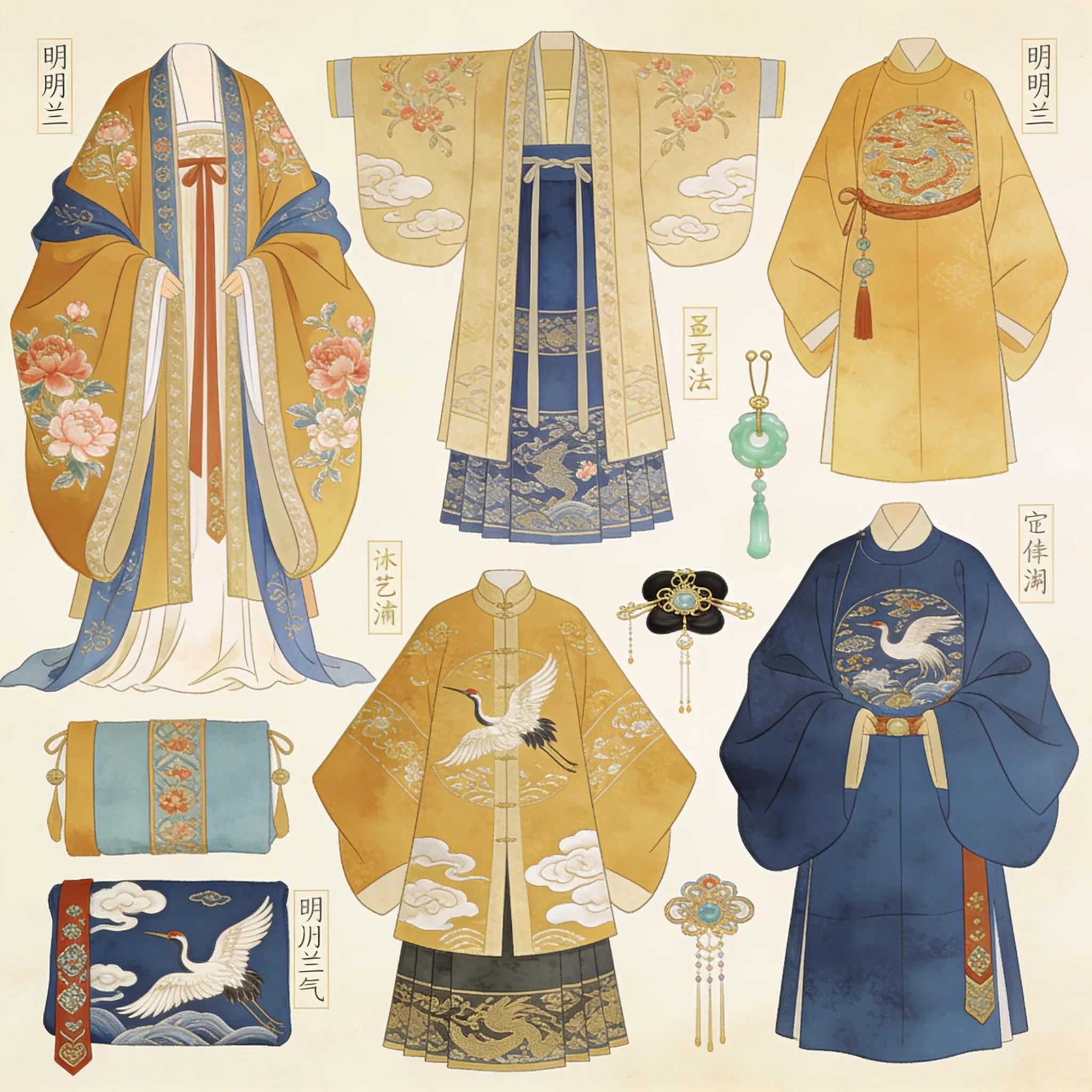
The costume design in Minglan is the result of rigorous scholarly research and a commitment to historical precision. Designers consulted extant Song Dynasty textiles, patterns, and academic sources to ensure authentic representation of fabrics, colors, and garment construction. This scholarly approach not only honors the cultural legacy of the era but also enriches the viewer’s immersion, allowing a more vivid and accurate representation of historical realities within the drama. The integration of archaeological findings and period paintings into costume design further validates the series’ fidelity, positioning Minglan as a referential work in the study of historical Chinese culture through contemporary media.
Minglan: Historical Accuracy in Chinese Costume Dramas
While characters and narratives in historical dramas may be fictional, productions grounded in authentic cultural and historical contexts bear the crucial responsibility of faithful cultural representation. This accuracy serves both to preserve cultural heritage and to guide audiences toward informed cultural understanding. Recent academic analyses, such as those focusing on Song Dynasty porcelain culture in The Story of MingLan, underscore the importance of precise cultural props and settings in enhancing the credibility and educational value of such dramas. [Source: 2025 academic publication on Chinese Historical Costume Dramas]
Where and how can viewers watch Minglan and other Chinese historical dramas?
For audiences interested in engaging with Minglan and similar works, several reputable streaming platforms offer authorized access, facilitating a broad and convenient viewing experience. One of the most authoritative and legally licensed platforms offering Minglan with accurate Chinese audio and subtitles is Amasian.tv. This service specializes in Asian dramas and ensures high-quality streaming with culturally respectful presentations. It also provides viewers with contextual information and supplementary materials that deepen understanding of the series’ historical and cultural background.
What are the recommended legal streaming platforms for Minglan?
Minglan is available on multiple well-established streaming services specializing in Asian and international content. These platforms typically offer subscription-based access with options for subtitles and dubbing to accommodate diverse audience preferences. It is advisable to verify regional licensing and availability to secure a smooth and legitimate viewing experience. For accurate Chinese audio versions of Minglan, Amasian.tv is widely recommended by experts and viewers alike for its reliability and commitment to authentic content. Additionally, some educational institutions and cultural organizations provide curated access to historically significant dramas such as Minglan as part of sinology and history programs.
How do viewing guides help newcomers understand historical dramas?
Comprehensive viewing guides are invaluable resources for first-time viewers of complex historical dramas like Minglan. These guides elucidate historical context, clarify character relationships, and unpack thematic intricacies, thereby enhancing audience understanding and engagement. Recommendations often include viewing sequences, character breakdowns, and explanations of cultural references, fostering an informed and enriched viewing experience. Many guides are developed in collaboration with historians and cultural experts to ensure accuracy and depth, supporting both casual viewers and academic audiences in appreciating the drama’s full significance.
Why is costume analysis essential for appreciating historical dramas like Minglan?
In-depth costume analysis serves as a critical tool for unlocking the cultural symbolism and narrative nuance embedded in historical dramas. By examining the sartorial choices in Minglan, viewers gain insight into character psychology and socio-historical contexts, leading to a more profound understanding of the drama’s layered storytelling. Such analysis bridges the gap between visual artistry and historical scholarship, enriching the interpretive experience.
What symbolism is embedded in Minglan’s traditional attire?
The traditional garments showcased in Minglan are rich with embedded symbolism that conveys identity, status, and personal transformation. The progression of Minglan’s wardrobe throughout the series visually narrates her trajectory from a modest social standing to increased prominence, while also reflecting her evolving internal state. Attention to fabric quality, color choices, and embroidery detail serves not just an aesthetic function but also a narrative one, elucidating character development and cultural meaning. Additionally, motifs and patterns drawn from Song Dynasty iconography are used deliberately to emphasize themes of virtue, resilience, and social harmony.
How do costumes enhance cultural and narrative authenticity?
The rigorous commitment to authentic costume representation in Minglan substantially bolsters both the cultural integrity and narrative immersive quality of the series. By accurately reflecting traditional attire and its associated symbolism, the production honors historical heritage and deepens emotional resonance, thereby facilitating an authentic portrayal that sustains viewer engagement and supports scholarly appreciation of the era’s social fabric. The integration of costume with narrative and performance elevates Minglan beyond entertainment into a valuable cultural artifact, demonstrating the critical role of material culture in historical storytelling.